
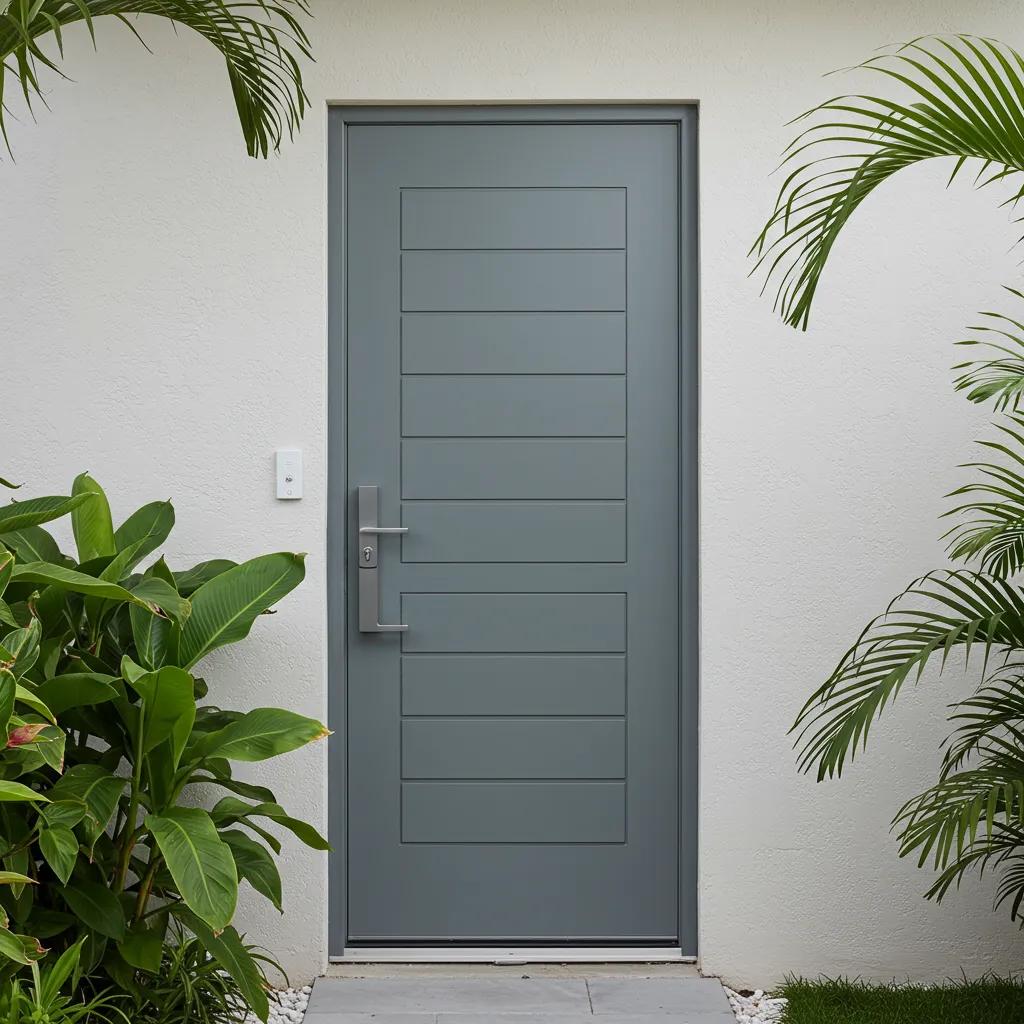
Insulated Metal Doors vs Traditional Doors in Miami
Unlocking the Benefits of Insulated Metal Doors for Miami Properties
Choosing between insulated metal doors and conventional doors is a pivotal decision for your Miami property, directly impacting its security, energy expenses, and resilience against severe weather.
In Miami’s intense tropical heat, pervasive humidity, and strict building regulations, a door’s performance can significantly influence your indoor comfort and ensure code compliance.
This guide delves into why insulated metal doors are the superior choice for South Florida’s climate. We’ll explore the primary product types available from local experts, compare them against wood, fiberglass, and basic metal alternatives, provide a detailed feature-by-feature breakdown, and offer practical advice for both commercial and residential property owners. Whether you oversee a condominium complex, manage a beachfront restaurant, or own a coastal residence, understanding the technical advantages—and Oratso Corp’s expertise in installation and maintenance—will empower you to invest in doors that boost safety, slash utility bills, and withstand hurricane-force winds.
Why Insulated Metal Doors Are Perfect for Miami’s Climate and Building Codes
Insulated metal doors masterfully blend high-performance materials with engineered cores to effectively block heat transfer, maintain a comfortable indoor environment, and meet stringent Miami-Dade standards. By incorporating advanced corrosion-resistant coatings and robust thermal barriers, these doors resist warping, minimize the risk of mold, and deliver dependable service for years, even in challenging coastal conditions.
In the following sections, we’ll examine how these systems satisfy hurricane requirements, the cutting-edge insulation technologies that drive energy efficiency, the enhanced security features inherent in heavy-gauge steel construction, and the sound-dampening capabilities that elevate both residential and commercial spaces, even on Miami’s most bustling streets.
How Insulated Metal Doors Meet Miami-Dade Hurricane and Safety Standards
Insulated metal doors bearing the Miami-Dade NOA certification are engineered with reinforced frames and impact-resistant panels that have successfully undergone rigorous testing for windborne debris and pressure cycling. These doors feature advanced multi-point locking systems and laminated glazing designed to remain intact when subjected to a three-second missile impact at speeds exceeding 50 feet per second. Consequently, properties achieve full compliance with local building codes and maintain structural integrity during Category 4 storms, preventing catastrophic breaches and significantly reducing repair expenses.
What Insulation Technologies Make Metal Doors Energy Efficient in Miami?
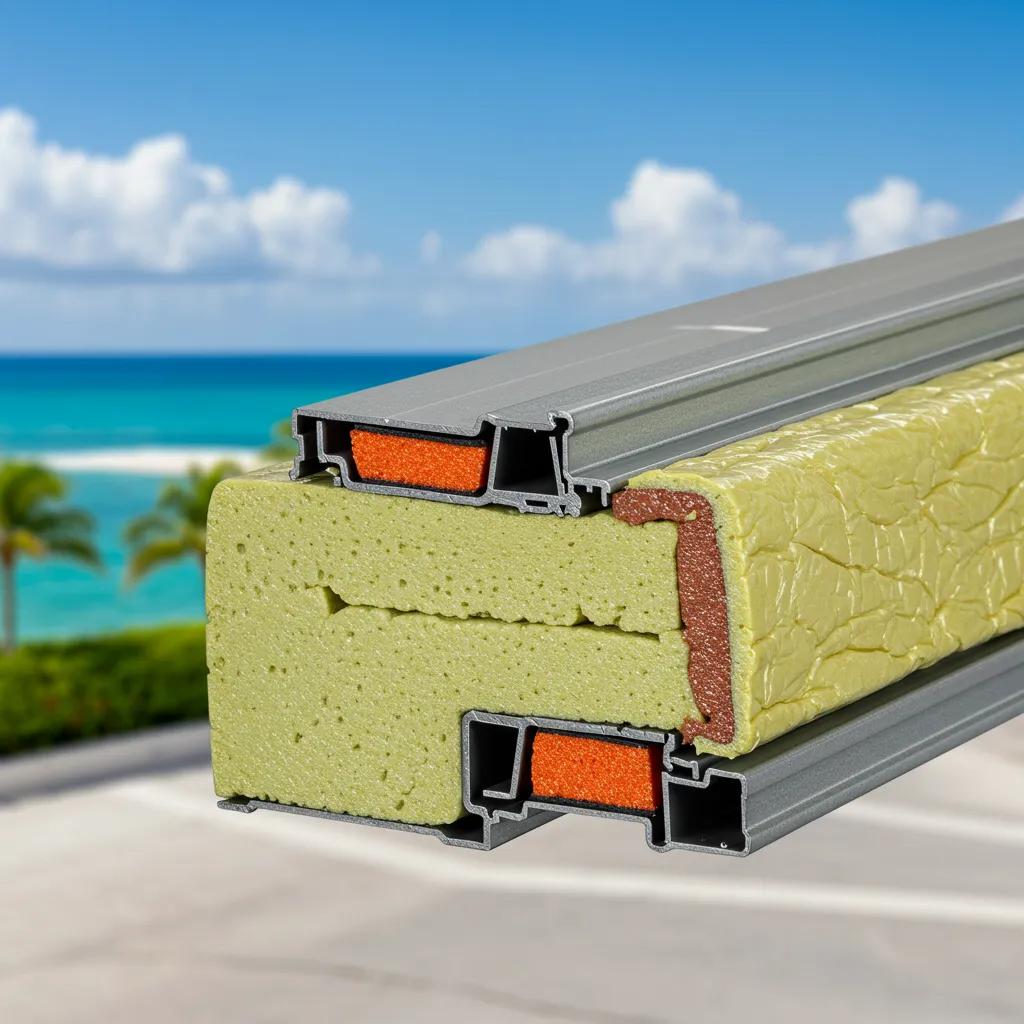
Insulated metal doors achieve superior R-values and effectively combat solar heat gain through the strategic use of structural foam cores, thermal breaks, and composite layers. Polyurethane-injected cores provide an impressive R-6 performance for every inch of thickness, while extruded aluminum frames equipped with polyamide thermal barriers drastically reduce conductive heat flow. The integration of sealed edge gaskets and continuous compression seals creates an airtight barrier, minimizing air infiltration, reducing the strain on your HVAC system, and potentially cutting utility bills by up to 20 percent in year-round tropical climates.
These advancements in insulation technology translate directly into lower energy consumption, more stable indoor temperatures, and quieter living or working spaces—setting the stage for a deeper dive into the security and durability features.
How Insulated Metal Doors Provide Superior Security and Durability
Insulated steel doors typically feature 16- to 14-gauge galvanized steel skins encasing rigid cores, further reinforced by welded frames and concealed hinges. Multi-point locking hardware engages the door at the top, bottom, and mid-span, effectively deterring forced entry attempts. Powder-coat finishes and stainless-steel thresholds are specifically chosen to resist corrosion in salt-laden air environments, ensuring that critical security features remain fully operational for decades.
In What Ways Do Insulated Metal Doors Reduce Noise and Improve Comfort?
The very foam and composite layers that excel at blocking thermal transfer also effectively absorb sound waves, reducing noise levels by up to 30 decibels and creating a significantly quieter interior environment. This sound-dampening effect is particularly beneficial for offices facing busy streets, restaurants located near vibrant nightlife areas, and residential units aiming for tranquil indoor sanctuaries. By incorporating specialized acoustical seals around frames and thresholds, insulated metal doors contribute to enhanced speech privacy, minimize intrusive HVAC noise, and foster a more comfortable experience for occupants.
What Are the Main Types of Insulated Metal Doors Available in Miami?
Miami properties require a diverse range of insulated metal doors, each tailored to specific applications, code requirements, and aesthetic preferences. From robust commercial units to elegantly designed residential entrances, the following categories encompass the most common and effective choices.
What Are Hollow Metal Doors and Their Commercial Applications?
Hollow metal doors are constructed with steel skins welded around a steel-reinforced perimeter, leaving an empty interior that can be filled with insulation on-site or left open for back-to-back installations. These doors are ideal for high-traffic corridors, mechanical rooms, and fire-rated partitions where exceptional durability and code compliance are paramount, often taking precedence over thermal performance.
How Do Fire-Rated Metal Doors Comply with NFPA-80 and Miami Codes?
Fire-rated doors are equipped with mineral-filled cores or intumescent seals integrated within 14- or 16-gauge steel skins, designed to withstand fire exposure for 90 minutes or longer. Adherence to NFPA-80 standards necessitates certified fire testing, self-latching hardware, and automatic closing mechanisms. Proper installation and regular inspections are crucial for maintaining their life-saving performance under Miami’s stringent building regulations.
What Features Define Hurricane Impact Metal Doors with Miami-Dade NOA?

Hurricane impact doors combine laminated glass, reinforced structural components, and heavy-duty anchoring systems to achieve coveted Miami-Dade Notice of Acceptance ratings. Features such as bullet-resistant compression gaskets and robust steel security bars provide a multi-layered defense against windborne debris. These doors are engineered to prevent damage, maintain watertight seals under extreme pressure, and preserve the building envelope’s integrity during severe storm events.
How Do Insulated Steel and Aluminum Doors Differ for Residential Use?
Residential insulated steel doors typically feature R-6 foam cores, advanced multi-point locking systems, and a variety of decorative finishes, including stucco embossments and realistic wood-grain textures. Aluminum doors, enhanced with thermal breaks, offer a lighter weight option and a contemporary aesthetic, providing moderate R-3 insulation. Homeowners often weigh the ultimate thermal efficiency of steel against the corrosion resistance and sleeker sightlines of aluminum, depending on their energy-saving objectives and design preferences.
What Are the Limitations of Traditional Doors in Miami’s Environment?
Conventional door materials often falter when subjected to Miami’s relentless humidity, intense heat, and frequent storm exposure. This can lead to increased maintenance demands, diminished indoor comfort, and potential code violations. Understanding these inherent drawbacks clearly illustrates why insulated metal doors frequently represent the more advantageous long-term investment.
Why Are Wood Doors Vulnerable to Miami’s Humidity and Heat?
Wood doors are highly susceptible to expansion, warping, and cracking when continuously exposed to moisture and ultraviolet radiation. Without consistent refinishing and diligent sealant renewal, rot and insect infestations can significantly shorten their service life and compromise security. The required maintenance cycle, typically every one to three years, escalates ongoing costs and increases the risk of non-compliance with local building codes.
How Do Non-Insulated Metal Doors Compare in Security and Energy Efficiency?
Basic metal doors offer formidable resistance to impact and intrusion but lack the thermal cores and specialized seals found in insulated models. Heat readily transfers through uninsulated steel skins, leading to higher interior temperatures and forcing HVAC systems to work harder. Condensation can form on uninsulated panels, creating an environment conducive to corrosion in the humid coastal air.
What Are the Pros and Cons of Fiberglass Doors Compared to Metal?
Fiberglass doors provide commendable insulation properties, excellent resistance to moisture, and the flexibility of customizable textures. However, their composite skins and foam cores generally offer lower security ratings compared to solid-steel constructions. Scratches and dents on fiberglass surfaces are often more challenging to repair seamlessly, and their structural rigidity under high wind loads may not match that of metal-framed systems.
How Do Insulated Metal Doors Compare to Traditional Doors Feature-by-Feature?
For properties in Miami, selecting the optimal door involves carefully balancing security, energy efficiency, code compliance, cost-effectiveness, and aesthetic appeal. The following table provides a concise summary of the key differences between insulated metal doors and traditional wood, non-insulated metal, and fiberglass options.
This comparative analysis clearly demonstrates that insulated steel doors significantly outperform traditional alternatives in terms of energy efficiency, storm resilience, and long-term durability, while also offering versatile design options at competitive life-cycle costs.
How Should Miami Property Owners Choose Between Insulated Metal and Traditional Doors?
The decision-making process hinges on specific use cases, budget constraints, and performance priorities. A thorough evaluation of each criterion ensures that the chosen door solution aligns perfectly with property demands and regulatory mandates.
What Factors Do Commercial Clients Prioritize in Door Selection?
Commercial clients place a high emphasis on robust intrusion resistance, strict adherence to fire and hurricane code compliance, minimal operational downtime, and predictable, manageable maintenance schedules. Offices, warehouses, and hospitality establishments frequently require advanced multi-point locking systems, certified fire ratings, and impact-tested glazing to satisfy insurance requirements and safety regulations.
What Are Residential Clients’ Key Considerations for Energy Savings and Comfort?
Homeowners typically prioritize reducing cooling expenses, enhancing indoor tranquility, and maintaining or improving their home’s curb appeal. The availability of energy rebate programs and local incentives for high R-value doors often encourages the selection of insulated steel options. Furthermore, noise reduction features are highly valued for residences located near busy thoroughfares or lively entertainment districts.
How Does Local Climate Influence Door Material and Features?
Miami’s salt-laden air aggressively accelerates corrosion on untreated metals and hinges, while the pervasive high humidity promotes mold growth on porous materials. The constant cycles of thermal expansion and contraction can stress coatings and seals. Insulated metal doors, equipped with specialized corrosion-resistant finishes, durable composite cores, and meticulously sealed edges, consistently deliver superior performance under these demanding environmental conditions.
What Services Does Oratso Corp Offer for Insulated Metal Doors in Miami?
Oratso Corp leverages two decades of specialized local experience, combined with highly trained, certified installation teams, to provide comprehensive, end-to-end door solutions for South Florida and the Caribbean. From the initial project planning stages through ongoing maintenance, clients benefit from rigorous quality controls and code-compliant assemblies precisely tailored to each unique application.
How Does Oratso Corp Ensure Expert Installation and Compliance?
Our certified installers meticulously adhere to Miami-Dade NOA guidelines, NFPA-80 fire-door procedures, and ADA threshold requirements. We utilize advanced digital leveling instruments and calibrated torque wrenches to guarantee precise frame alignment, optimal weather-seal integrity, and consistently smooth operation from the moment of installation.
What Maintenance and Repair Services Are Available for Metal Doors?
Oratso Corp offers comprehensive annual inspection packages that include thorough assessments of corrosion resistance, timely seal replacements, precise hardware re-adjustments, and professional touch-up painting. Our dedicated emergency repair crews are equipped to swiftly restore compromised doors following storm events, minimizing downtime and ensuring continued safety and security.
How Can Custom Fabrication and Access Control Enhance Door Solutions?
Our in-house metal fabrication capabilities allow us to support bespoke door dimensions, specialized finishes, advanced bullet-resistant assemblies, and seamlessly integrated electronic access systems. Clients can easily incorporate modern solutions like card readers, biometric scanners, and remote-monitoring sensors for enhanced security and streamlined facility management.
How Can Miami Customers Request Consultations and Free Estimates?
Prospective clients can receive personalized project quotes based on detailed site surveys, specific performance requirements, and desired aesthetic finishes. Our consultations provide in-depth analysis of potential energy savings, comprehensive code compliance plans, and flexible phased implementation schedules—all designed to facilitate informed decision-making and ensure seamless project execution.
Insulated metal doors represent a strategic and forward-thinking investment for Miami properties aiming for sustained long-term savings, elevated security, and robust hurricane-ready performance. By carefully selecting the appropriate door type—whether it’s a hollow metal, fire-rated, or impact-tested model—and partnering with a local specialist for expert design, installation, and ongoing upkeep, property owners can ensure maximum resilience and comfort. While traditional doors might offer lower initial costs or immediate aesthetic appeal, they often incur significantly higher maintenance and energy expenses in South Florida’s demanding climate. Through a meticulous evaluation of security needs, thermal performance requirements, and regulatory demands, both commercial and residential clients can confidently choose door solutions that deliver tangible value year after year. In every project, Oratso Corp’s seasoned team stands ready to guide specifications, install code-compliant assemblies, and provide essential ongoing maintenance—safeguarding your investment and ensuring your peace of mind.