How Commercial Door Installation Services Operate in Miami
How Commercial Door Installation Services Operate in Miami
Commercial Door Installation Services in Miami Explained
In today’s competitive commercial real estate market, the quality, appearance, and functionality of door systems play a pivotal role in reinforcing a property’s security, aesthetics, and overall operational efficiency. Commercial door installation services in Miami are designed to meet the diverse needs of business owners, facility managers, and property developers who demand superior performance, compliance with strict building codes, and durable solutions tailored for South Florida. This article explores the main types of commercial doors in Miami, outlines the installation process, discusses repair and maintenance strategies, details essential hardware components, reviews cost and performance benefits, examines Miami-Dade County building codes, and answers common questions. Every section provides actionable insights to help prospective clients make informed decisions and protect their investments.
Transitioning to deeper insights, the following sections cover door types, installation processes, repair services, hardware components, cost factors, building requirements, and frequently asked questions about commercial door systems in Miami.
What Are the Main Types of Commercial Doors Installed in Miami?
Commercial properties in Miami require doors that boost both aesthetics and security. The main types include:
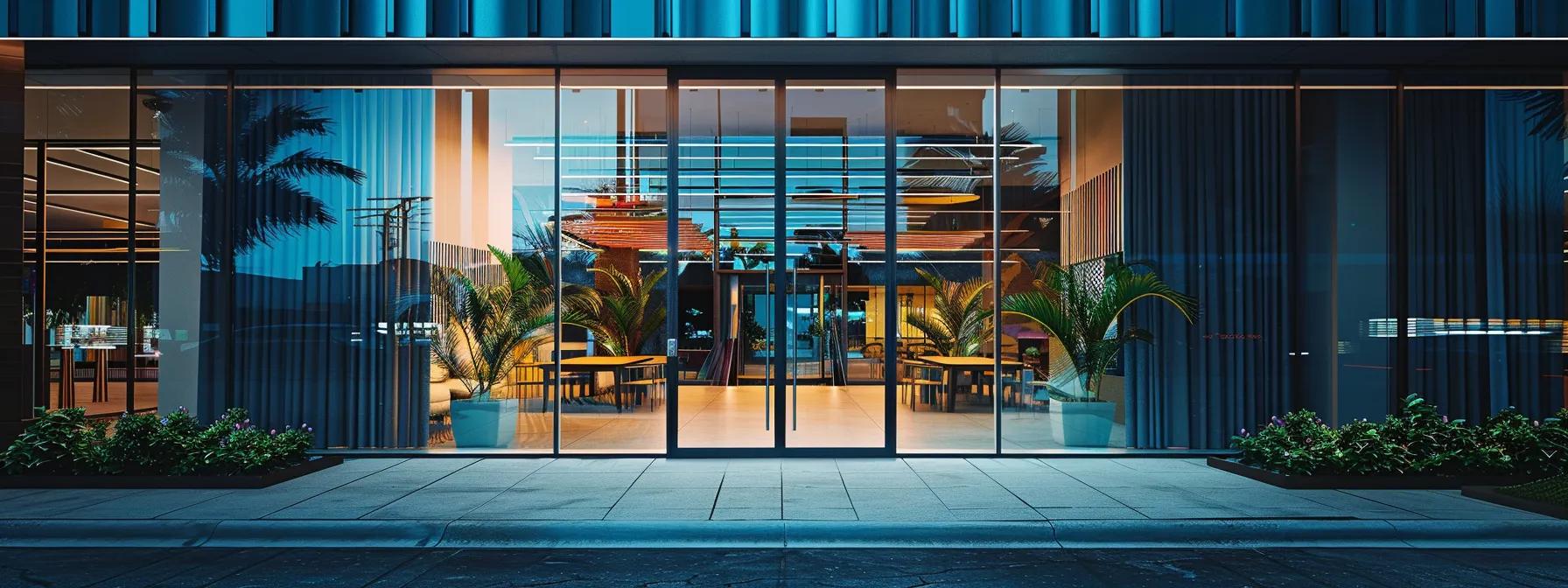
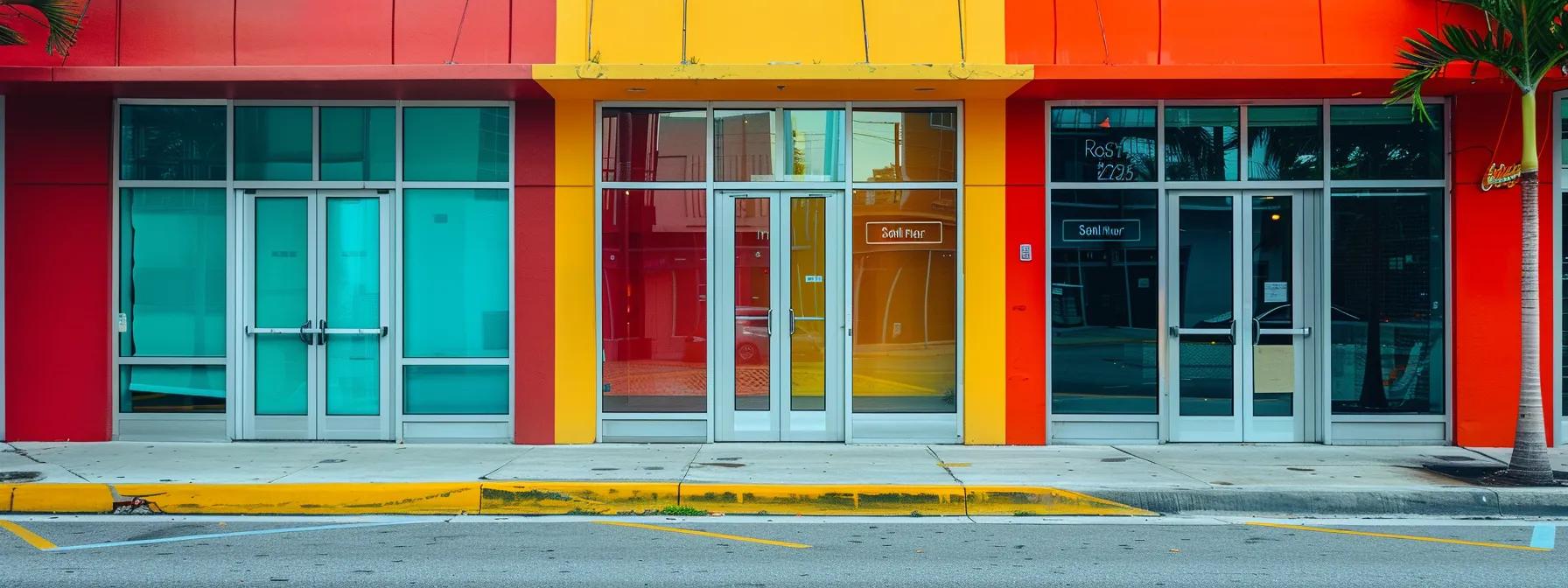
• Storefront Doors: Large glass-and-metal systems that create an inviting entrance. They blend architecture with branding, enhance customer experience, allow natural light, and are designed with tempered glass and aluminum frames to withstand tropical weather. They also improve energy efficiency by reducing heat exchange.
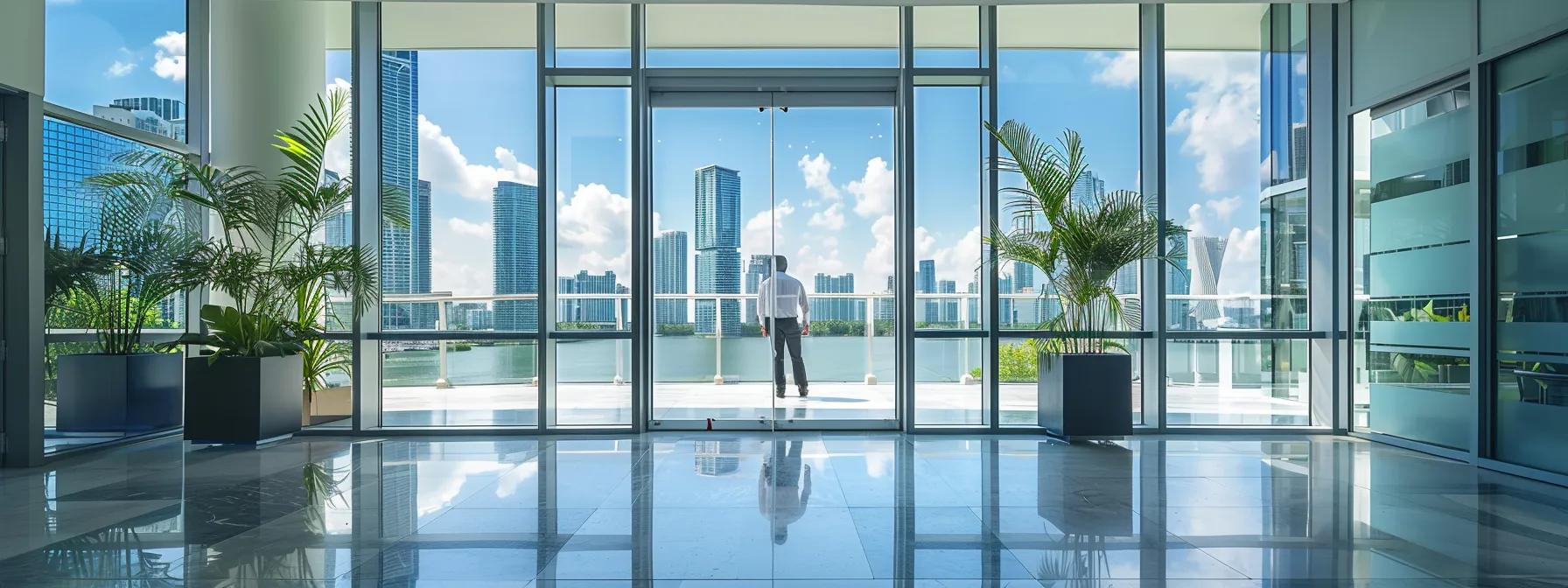
• Automatic Doors: These use sensors (motion, infrared, pressure mats) to open and close seamlessly, ideal for high-traffic areas including shopping centers and airports. They address ADA compliance and minimize waiting times, while reducing germ spread.
• Fire-Rated Doors: Engineered to resist fire and smoke for a set duration, these doors meet strict building codes and assist safe evacuations. Made from steel, gypsum, or other fire-resistant materials, they help contain a fire and may reduce insurance costs.
• Security Doors: Constructed from heavy-duty steel or composite metals, these doors feature robust locking mechanisms, anti-drill plates, and tamper-resistant hinges to deter unauthorized entry in facilities like corporate offices and retail centers.
• Revolving Doors: Ideal for high-traffic areas such as hotels and office buildings, revolving doors help maintain indoor climate control, reduce HVAC strain, limit noise, and preserve energy efficiency while offering a continuous flow of traffic.
How Does the Commercial Door Installation Process Work in Miami?

The installation process is carefully planned to ensure that door systems comply with local codes, perform optimally, and minimize business disruptions. The process generally includes an initial assessment, detailed planning, material selection, installation, and post-installation testing.
What Steps Are Involved in Professional Commercial Door Installation?
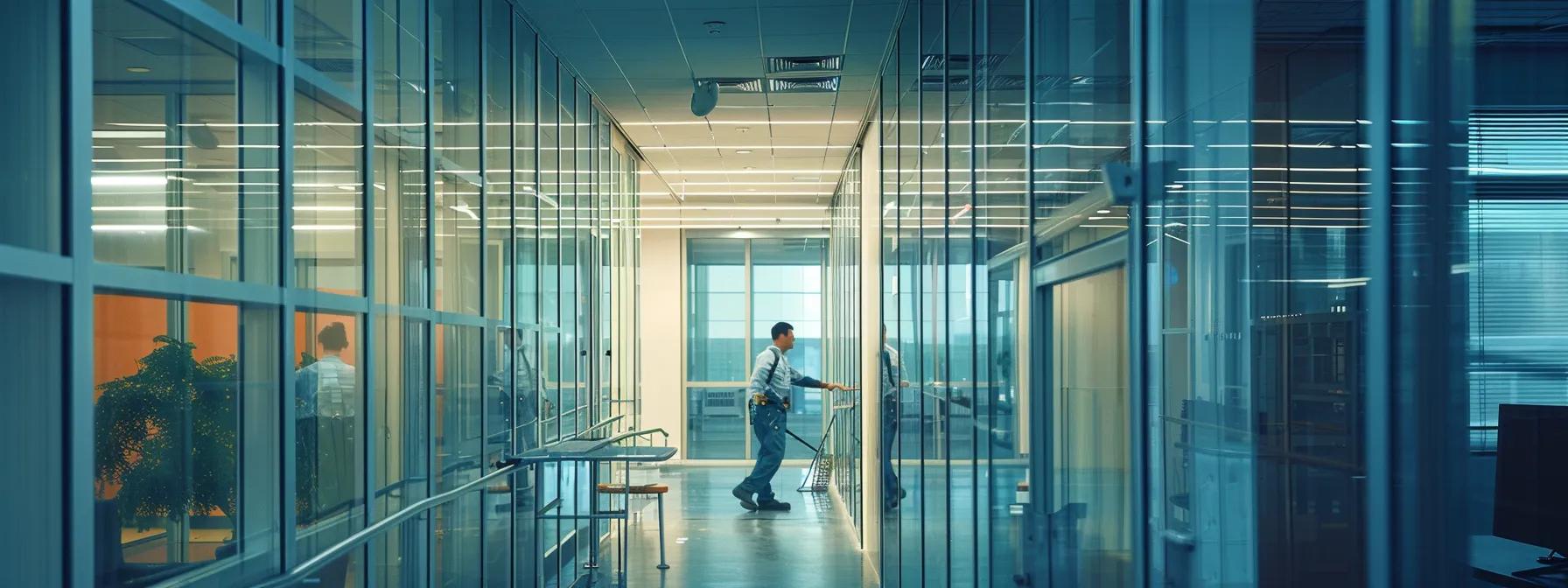
- Initial Consultation & Site Assessment: Certified technicians evaluate design, security needs, and environmental challenges.
- Project Planning: A detailed plan is created including precise measurements, material selection, and timelines.
- Site Preparation & Material Procurement: The installation site is prepared to meet structural and code requirements.
- Installation: The door frame is aligned, the door is fitted, and essential hardware (locks, hinges, door closers) is integrated.
- Testing & Adjustments: Final testing ensures smooth operation and compliance with performance standards.
How Do Miami Building Codes Affect Commercial Door Installation?
Miami’s building codes impose strict requirements for commercial door installations to ensure safety and durability. These codes specify fire ratings, energy efficiency, security measures, and structural integrity. Contractors must obtain permits and follow proper documentation during and after installation. Compliance not only enhances user safety but also protects property investments.
What Customization Options Are Available for Commercial Doors?
Commercial door systems in Miami offer extensive customization to suit unique property designs. Options include: • Varying frame materials (aluminum, steel, wood) with benefits in durability and appearance. • A selection of finishes and glass types (tinted, tempered, insulated) to match brand identity and improve energy performance. • Custom engraving, logos, and color adjustments for a personalized touch while still meeting safety and building codes.
Why Is Hiring Certified Technicians Important for Door Installation?
Certified technicians ensure installations meet industry standards and local codes. Their expertise minimizes risks such as security breaches, energy inefficiency, and premature failures. In Miami’s climate, professional installation guarantees proper alignment, safety features, and reliable performance, while also providing warranties and ongoing support.
What Commercial Door Repair and Maintenance Services Are Offered in Miami?
Regular door repair and maintenance ensure that door systems remain secure, efficient, and code-compliant. Services range from emergency repairs to routine maintenance, helping extend the door’s lifespan and reduce unexpected downtime.
How Can Emergency Commercial Door Repairs Minimize Business Downtime?
Emergency repairs quickly address issues like hardware malfunctions, structural damage, or mechanical failures. With 24/7 support, repair companies provide immediate troubleshooting, temporary fixes, and prompt scheduling for permanent repairs. These rapid interventions minimize disruption, protect assets, and enhance overall safety.
What Are Common Commercial Door Repairs in Miami?
Common repairs include: • Adjusting misaligned frames. • Replacing worn hinges, locks, and door closers. • Servicing automatic door sensors and motors. • Replacing seals and fixing damaged glass panels. Regular inspections help detect wear early, reducing the need for major repairs and ensuring continuous smooth operation.
How Often Should Commercial Doors Be Maintained for Optimal Performance?
Optimal performance is maintained by servicing doors at least twice a year. Maintenance includes thorough inspections, lubrication of moving parts, alignment adjustments, and replacing worn components. Regular preventive maintenance minimizes energy losses and ensures smooth operation in high-traffic environments.
What Preventative Maintenance Services Does Miami Door Solutions Provide?
Many providers offer comprehensive preventative maintenance programs with scheduled inspections, performance tests, cleaning, minor repairs, and weatherproofing treatments. Such services are proactive, addressing small issues before they become costly problems, thereby extending the door’s longevity and reliability.
Which Door Hardware Components Are Essential for Commercial Doors in Miami?

The reliability and performance of commercial doors depend heavily on quality hardware. Essential components include:
• Hinges: Options such as continuous (piano), ball-bearing, and pivot hinges are chosen for robustness and smooth movement. • Locks: Various systems like deadbolt locks, electronic access control, magnetic locks, and smart locks enhance security. • Door Closers: These regulate closing speed and force, ensuring doors shut securely to meet fire and safety codes. • Handles: Durable handles made of stainless steel or anodized aluminum ensure ergonomic use and resist corrosion in coastal Miami.
What Types of Hinges Are Used in Commercial Door Installations?
Hinges support heavy door leaves and frequent use. Continuous hinges distribute weight evenly, ball-bearing hinges offer smooth operation for high-traffic areas, and pivot hinges enable sophisticated designs. These options ensure frictionless and reliable door movement.
How Do Different Locks Enhance Security for Commercial Doors?
Locks protect against unauthorized access with multiple layers of security. Options include traditional deadbolts, electronic access control, magnetic systems, and integrated smart locks with biometric or keycard capabilities. These systems are tested to resist both physical and technical breaches, making them essential for high-security environments.
What Are the Functions of Door Closers in Commercial Settings?
Door closers control the speed and force at which doors shut. By ensuring doors close securely, they reduce wear on hardware, help contain fires by meeting safety codes, and prevent accidents. Regular maintenance ensures they operate at optimal levels, balancing convenience with security.
Which Door Handles Are Best Suited for Miami Commercial Properties?
For Miami properties, door handles must be durable and corrosion-resistant. Typically made from stainless steel or anodized aluminum, these handles come in various styles such as lever or pull designs. Modern touchless options also improve hygiene and integrate with access control systems.
What Are the Costs and Benefits of Commercial Door Installation Services in Miami?
Installation costs in Miami are influenced by material quality, installation expertise, and customization options. While advanced systems with automation and enhanced security features may have higher upfront costs, their benefits include improved security, energy efficiency, reduced maintenance, and increased property value.
How Much Does Commercial Door Installation Typically Cost in Miami?
Costs vary widely depending on door type, design complexity, and custom features. Basic installations may cost a few thousand dollars, while advanced systems with state-of-the-art technology and automation can be significantly higher. Detailed estimates from local contractors cover material and labor, ensuring transparency in pricing.
What Are the Key Benefits of Professional Commercial Door Installation?
Professional installation ensures: • Better security and energy efficiency. • Adherence to building codes, reducing legal risks. • Lower future repair costs through precise installation. • Enhanced customer satisfaction due to improved accessibility and appearance. • Long-term warranties and maintenance support that protect the investment.
How Does Quality Material Impact Door Longevity and Performance?
Using high-quality materials such as steel, tempered glass, and high-grade aluminum ensures doors resist wear, corrosion, and environmental stress. These materials contribute to better insulation, reduced repair frequency, and overall durability, thereby lowering long-term costs and ensuring reliable performance.
Why Choose Local Miami Door Installation Experts?
Local experts understand the unique challenges of South Florida, such as hurricanes and high humidity. Their knowledge of local building codes and faster response times for maintenance and repairs provide clients with personalized service and smoother installations. This local expertise leads to durable door systems that comply with all regulations.
Table: Comparison of Commercial Door Installation Costs and Benefits
Before detailed comparisons, consider how key factors influence expenses and long-term advantages:
This table summarizes how each factor affects both installation costs and long-term benefits.
What Are the Miami-Dade County Building Codes for Commercial Doors?
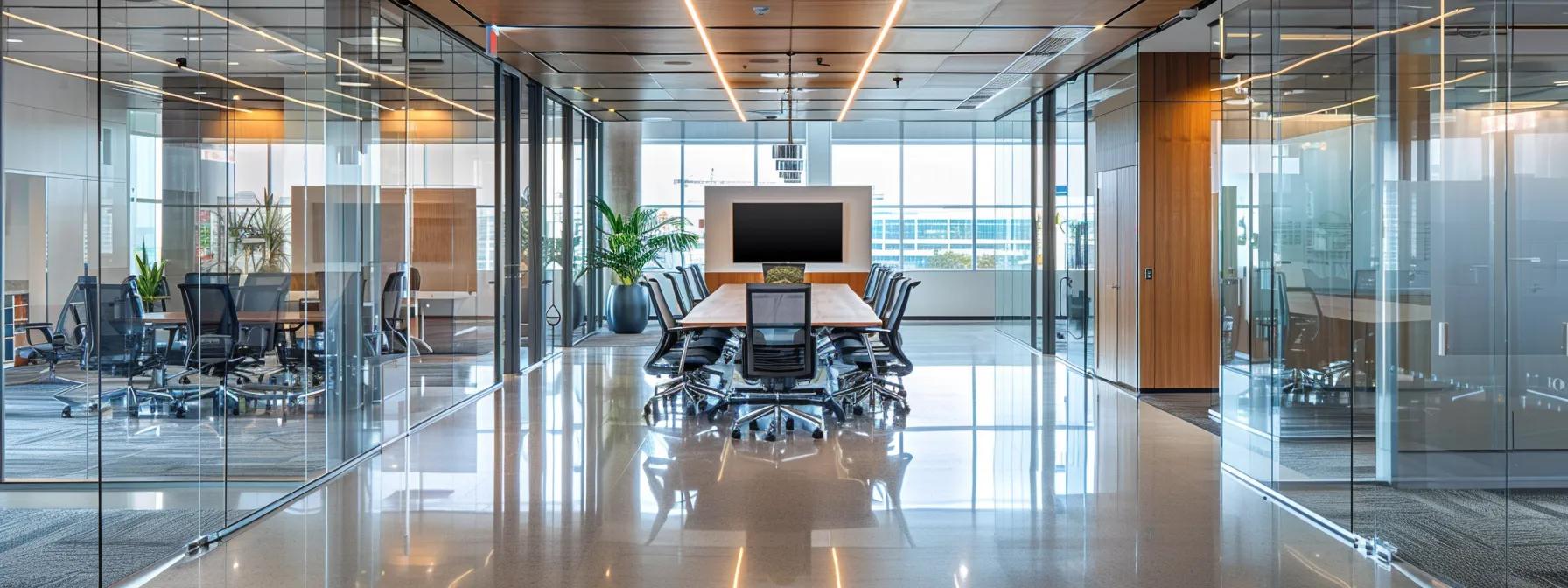
Miami-Dade County enforces strict codes to ensure commercial doors provide safety, accessibility, and energy efficiency. These codes are designed to protect occupants and property against fire, extreme weather, and unauthorized entry. Compliance is mandatory and non-compliance can result in fines, delays, or project shutdowns.
Which Code Requirements Must Commercial Doors Meet in Miami?
Requirements include: • Fire Resistance: Doors must support fire for a set duration. • Impact Resistance: Especially critical for hurricane areas. • Energy Efficiency: Guidelines to reduce heat exchange. • Accessibility: Must meet ADA standards regarding door width and threshold heights.
How Do Building Permits Affect Commercial Door Installation Projects?
Securing building permits confirms that installations meet current codes. The process involves submitting detailed plans and material specifications. Permits prevent delays, legal liabilities, and ensure that changes are documented and inspected.
What Are the Consequences of Non-Compliance With Miami Building Codes?
Non-compliance may lead to fines, legal issues, forced building closures, or costly modifications. It can also void insurance policies, putting property owners at financial risk. Strict adherence to codes ensures long-term durability and safety.
What Are Common Questions About Commercial Door Installation Services in Miami?
These frequently asked questions clarify the process, customization, maintenance, and emergency repair options for commercial door installations.
How Long Does Commercial Door Installation Usually Take?
Typically, installations take one to three days, depending on job complexity and door size. Customized or automated systems might require extra time for calibration and safety testing.
Can Commercial Doors Be Customized to Match Business Branding?
Yes. Commercial doors can be tailored with custom finishes, color palettes, and engraved logos to enhance a business’s brand identity while meeting functional and safety requirements.
What Maintenance Tips Help Extend Commercial Door Lifespan?
Regular inspections, lubrication of moving parts, and prompt repair of any issues are crucial. Professional servicing once or twice a year helps maintain door function, efficiency, and longevity.
How Can Businesses Schedule Emergency Door Repairs in Miami?
Local service providers offer 24-hour support via dedicated hotlines or online portals. Quick response and temporary fixes help minimize downtime until full repairs can be completed.
Frequently Asked Questions
Q: What is the typical lifespan of a commercial door system installed in Miami? A: Generally, 15 to 25 years, depending on material quality, usage intensity, and maintenance frequency.
Q: How do hurricane-resistant door systems differ from standard commercial doors? A: They are engineered with reinforced frames, impact-resistant glass, and enhanced sealing to withstand extreme weather conditions, making them ideal for Miami’s climate.
Q: Are automatic commercial doors energy efficient? A: Yes, they minimize air exchange and help maintain indoor temperature, reducing HVAC loads and energy costs.
Q: What kind of warranty is typically offered on commercial door installations? A: Warranties usually range from one to five years covering materials and labor, often including provisions for free repairs if defects occur.
Q: How can I ensure that my existing commercial door system remains compliant with Miami-Dade building codes? A: Regular inspections and maintenance by certified technicians, along with staying informed of any code changes, will help maintain compliance.
Q: What should I look for when hiring a commercial door installation contractor in Miami? A: Look for certified professionals with proven experience, transparent pricing, comprehensive assessments, and robust after-installation support.
Q: Can commercial doors be integrated with modern security and access control systems? A: Absolutely. They can integrate with biometric scanners, keycard systems, and smartphone-controlled locks for enhanced security.
Final Thoughts
Commercial door installation in Miami combines advanced technology, strict code compliance, and expert craftsmanship to deliver secure, energy-efficient, and visually appealing door systems. This article detailed the door types available, explained the installation process, and stressed the importance of proper maintenance and high-quality hardware. Investing in professional services and certified experts ensures long-term performance, safety, and customer satisfaction while enhancing property value.