

Miami Fire Door Safety Regulations Explained
Mastering Miami's Fire Door Codes, Inspections, and Compliance
Fire doors are specialized assemblies designed to resist the spread of fire and smoke through openings, protecting life safety and limiting property damage. This guide explains Miami-specific fire door requirements — including NFPA 80 inspection rules, Florida Building Code installation and labeling expectations, and Miami-Dade County NOA considerations for hurricane-impact combinations — so building owners and managers can make code-compliant decisions. Many property stakeholders face uncertainty about which ratings, labels, and maintenance practices satisfy local authorities and insurance underwriters; this article resolves those gaps with clear definitions, inspection checklists, product comparisons, and service recommendations. You will learn which codes govern Miami fire doors, how NFPA 80 applies to annual inspections and common deficiencies, what the Florida Building Code requires during installation and labeling, and which door types and ratings are appropriate for commercial and residential occupancies. The article also maps essential services (inspection, installation, repair, maintenance), practical governance actions for managers and condominium associations, and recent trends linking hurricane resilience to fire-door selection. Throughout, targeted terms like Miami fire door safety regulations, NFPA 80 Miami, and Miami-Dade NOA fire doors are used to keep guidance locally relevant and actionable.
What Are the Key Miami Fire Door Safety Regulations?
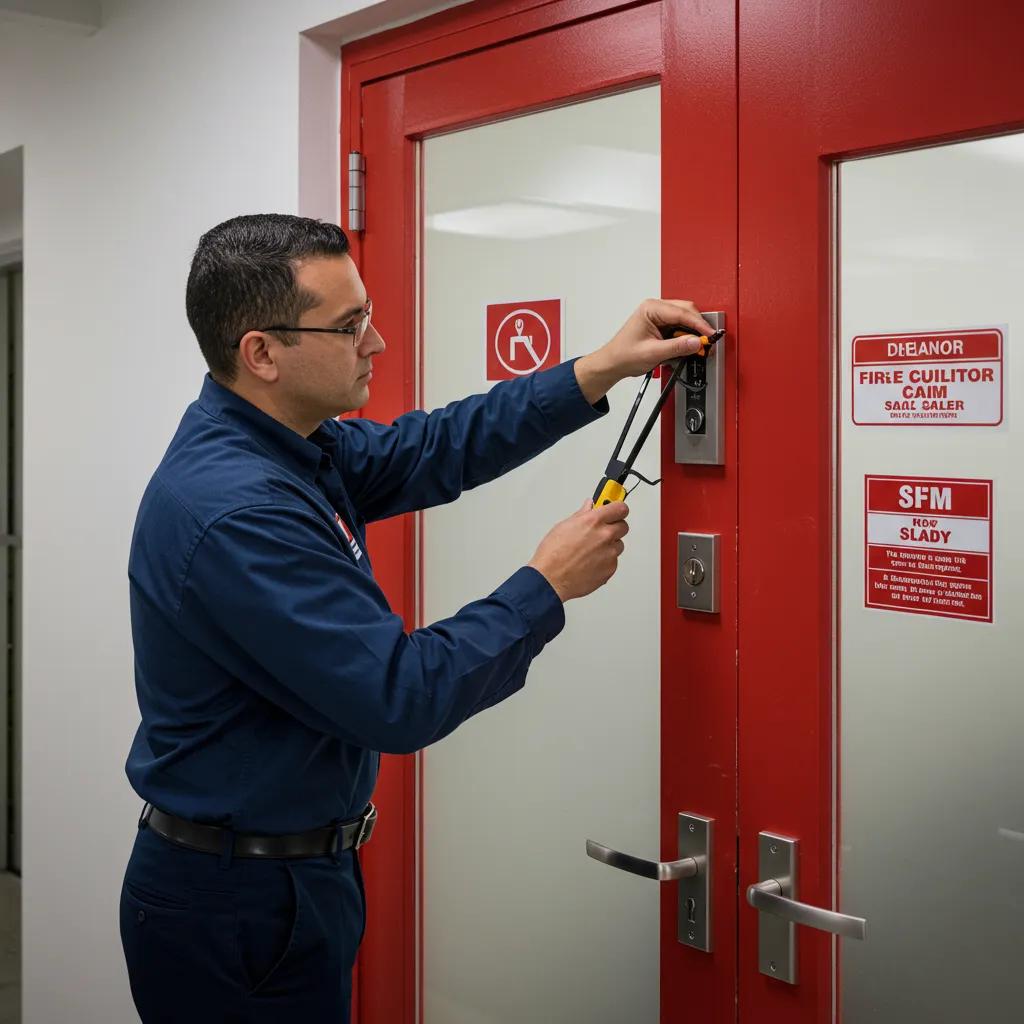
Fire door compliance in Miami rests on three overlapping regulatory frameworks that together define performance, installation, labeling, and local acceptance. The Florida Building Code sets state-level installation and performance standards for doors in life-safety applications, NFPA 80 prescribes inspection and maintenance cycles and specific items to verify, and Miami-Dade County’s Notice of Acceptance (NOA) provides product acceptance for hurricane-impact doors in coastal zones. These codes work together to require appropriate fire resistance ratings, certified labeling, correct clearances for egress, and documented inspection/maintenance records to demonstrate compliance. Enforcement typically occurs via local building departments, fire marshals, and code officials during plan review, inspections, and audits; non-compliance can result in orders to repair, fines, or withheld occupancy approvals. Understanding how these authorities and standards intersect helps building owners prioritize which doors require higher ratings, which need dual fire/impact acceptance, and what documentation inspectors will expect during an audit.
Which Codes Govern Fire Door Safety in Miami?
The regulatory trio governing fire doors in Miami includes national, state, and local approvals, each with distinct roles and applicability. NFPA 80 establishes the national standard for installation, inspection, testing, and maintenance of fire doors and assemblies, providing the annual inspection requirement and detailed checklist items. The Florida Building Code incorporates and enforces building code provisions statewide, specifying installation methods, clearances, and labeling acceptance. Miami-Dade County’s Notice of Acceptance (NOA) is a local product approval that certifies items—especially impact-resistant assemblies—are acceptable for coastal environments and may be required in certain jurisdictional zones. Understanding which standard applies often depends on occupancy type, coastal exposure, and whether a door assembly must resist both fire and hurricane impact, so project teams should verify which documents inspectors will reference during permitting and field checks.
What Are the Fire Resistance Rating Requirements for Miami Fire Doors?
A fire resistance rating indicates how long a door assembly resists fire under standardized test conditions and is expressed in minutes (for example, 20, 90, 180). Common practical requirements map higher ratings to life-safety elements: stairwell doors and corridor enclosures frequently require 90- or 120-minute assemblies, while certain fire barriers or shaft enclosures may require 180-minute-rated doors. Rating affects construction: rated doors typically include specific core materials, fire-rated seals, and tested hardware; assemblies must retain the manufacturer’s label showing the tested rating and standard. Inspectors verify both label legibility and that installed hardware and clearances match the tested configuration, since substitutions or field alterations can void the rated performance. Choosing the correct rating depends on occupancy classification, fire separation requirements, and the location of the opening within the protected path.
How Do Egress Requirements Affect Fire Door Compliance in Miami?
Egress requirements intersect with fire door rules because doors on means of egress must permit safe, unobstructed exit while still functioning as rated assemblies. Key requirements include correct swing direction (doors in egress often swing in the direction of travel), minimum clear width for occupant loads, and acceptable threshold and clearance dimensions to allow unobstructed passage. Hardware that impedes rapid egress—such as non-code panic hardware where required or locks that restrict exit—creates non-compliance and safety hazards. Inspectors check for obstructions in the swing path, proper signage, and that door operation does not compromise the rated assembly. Ensuring egress compliance during installation and routine inspection prevents conflicts between life-safety egress needs and the fire performance the door must deliver.
How Does NFPA 80 Define Fire Door Inspection and Maintenance in Miami?
NFPA 80 establishes the expectation that fire doors and assemblies receive regular inspection, testing, and maintenance to ensure their continued performance in a fire event. The standard specifies annual inspection as a baseline for listed assemblies and details the items to examine—labels, operational hardware, gaps, seals, and closing mechanisms—to confirm the assembly matches its tested configuration. Inspections are meant to identify deficiencies (broken closers, missing seals, excessive gaps) that can be corrected through maintenance or repair; documentation of inspections and corrective actions forms the audit trail inspectors expect. Applying NFPA 80 in Miami means inspectors will also consider local code overlays and Miami-Dade NOA requirements for impact-rated products, so maintenance programs should preserve both fire performance and any local acceptance labeling.
What Are the Annual Fire Door Inspection Requirements in Florida?
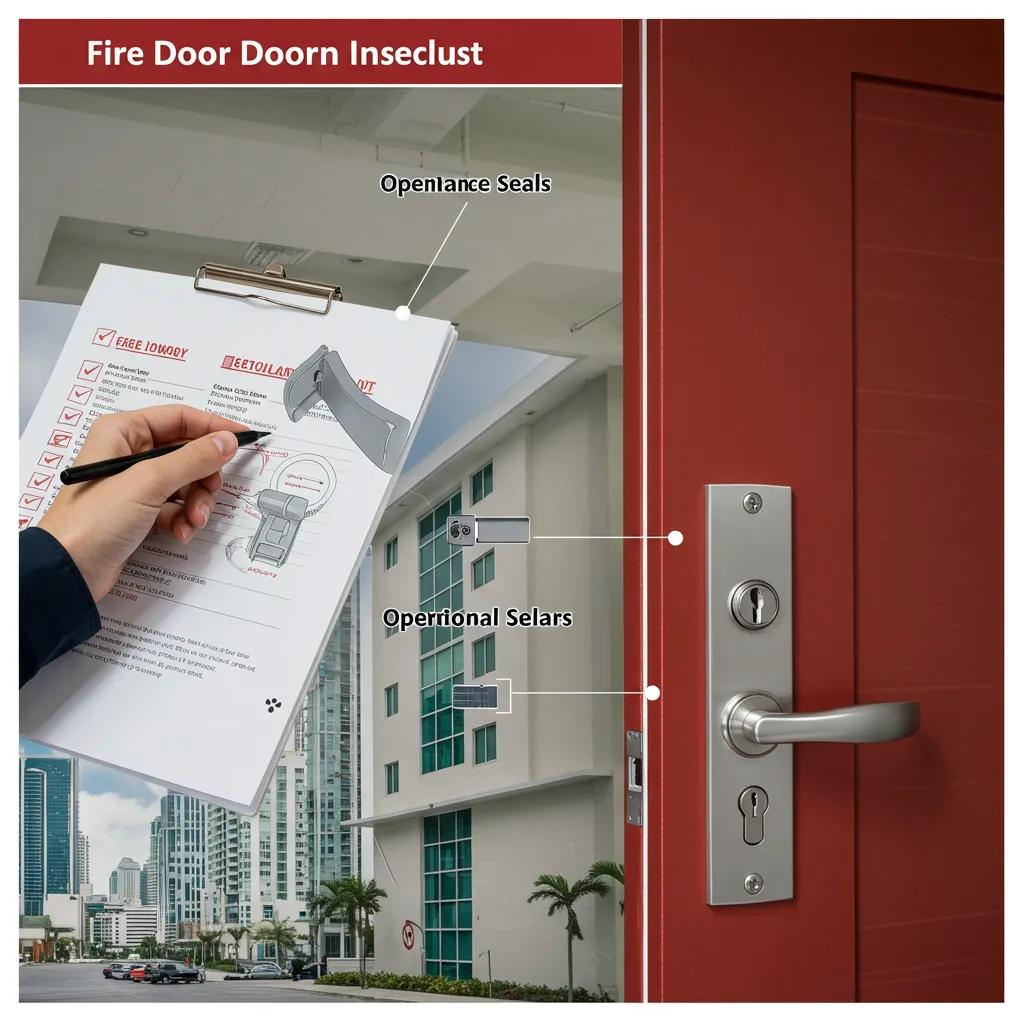
Annual inspection under NFPA 80 requires a thorough visual and operational check of each fire door assembly to verify label legibility, proper operation of self-closing devices, correct latch engagement, intact intumescent seals, and acceptable clearances around the perimeter. Inspectors typically use a checklist to confirm labels, closers, sweeps, thresholds, and hardware settings; high-traffic or high-impact doors may warrant more frequent checks. Documentation should record the inspection date, items checked, deficiencies found, and corrective actions taken, creating a maintenance history for compliance audits. Proactive scheduling and a standardized checklist reduce the likelihood of enforcement actions and support insurance and safety objectives.
Who Is Qualified to Perform Fire Door Inspections in Miami?
Qualified fire door inspectors are trained or certified technicians familiar with NFPA 80 criteria and the practical differences between tested assemblies; they understand how hardware, clearances, and field modifications affect the rated performance of a door. While NFPA 80 does not prescribe a single certification label, building owners should seek inspectors with demonstrable experience performing NFPA 80 inspections, familiarity with Florida Building Code expectations, and knowledge of Miami-Dade NOA implications when relevant. When hiring, request sample inspection reports, ask about typical corrective scopes, and verify the inspector documents label data and photographed deficiencies. Properly qualified inspection personnel provide a clear, auditable record that supports compliance and reduces rework during official reviews.
What Common Deficiencies Are Found During Fire Door Inspections?
Common failures discovered during NFPA 80 inspections include missing or illegible labels, non-functioning or improperly adjusted closers, excessive perimeter gaps, removed or degraded intumescent seals, and incompatible or unlisted hardware substitutions. Each deficiency undermines the tested assembly’s performance and often has straightforward corrective actions—relabeling where possible, adjusting or replacing closers, restoring or installing proper seals, and reinstalling approved hardware. Persistent unresolved deficiencies can lead to enforcement notices or order-to-repair directives from authorities having jurisdiction. Regular inspections combined with prompt corrective action mitigate risk and preserve the integrity of fire protection systems.
What Are the Florida Building Code Fire Door Standards for Miami Properties?
The Florida Building Code establishes installation and performance requirements for fire doors that align with life-safety goals, emphasizing correct assembly installation, matched hardware, and retained certification documentation. The code requires that doors be installed to preserve the tested configuration; installers must ensure frames, clearances, and hardware match the door’s listing so the field installation reflects the laboratory-tested assembly. Inspectors look for manufacturer’s labels, proper anchorage, sealed perimeter gaps, and correct hardware that does not alter the assembly’s tested behavior. Adhering to these installation and documentation practices reduces inspection friction and helps verify compliance during permitting and final inspections.
How Does the Florida Building Code Address Fire Door Installation?
Proper installation per the Florida Building Code centers on accurate frame preparation, adherence to specified clearances, and selection of hardware that matches the door’s listing. Installers must follow manufacturer instructions and listing data that accompany rated doors; deviations can void the rating. Common installation checkpoints include plumb framing, correct anchor fasteners, specified gap tolerances around the door leaf, installation of required seals and thresholds, and confirmation that hardware (locks, closers, and latches) is listed for use on that assembly. Final inspection and documentation of installed components help demonstrate that the field condition replicates the tested configuration.
What Are the Labeling and Certification Requirements for Fire Doors in Florida?
Labeling and certification provide the evidence that a door assembly has been tested and approved for a stated fire resistance rating; labels typically include the rating, the testing standard, and manufacturer information. Inspectors verify the presence and legibility of these labels and cross-check that listed hardware and configuration match the label data. Retaining manufacturer documentation, test reports, and installation records supports code officials during audits and can be critical during post-installation inspections or insurance reviews. Proper record-keeping ensures continuity of compliance and simplifies corrective actions if discrepancies arise.
How Does Miami-Dade County’s NOA Impact Fire Door Approvals?
Miami-Dade County’s Notice of Acceptance (NOA) provides an additional product acceptance path for assemblies intended for hurricane-prone coastal zones and may be required when a door assembly combines impact resistance with fire rating. When NOA is required, product selection must satisfy both the fire performance test and the local impact acceptance criteria, which can affect available manufacturers and designs. Designers and owners should confirm whether project locations fall within zones that require NOA-certified assemblies and evaluate dual-certified products early in specification to avoid costly rework during permitting. Selecting assemblies with both the appropriate fire rating and NOA acceptance streamlines approvals for coastal Miami projects.
Which Types of Fire Doors Are Approved and Recommended in Miami?
Miami commonly approves several fire door types—hollow metal (fire-rated metal) doors, fire-rated wood doors, and specially engineered impact-fire assemblies for coastal applications—each offering different trade-offs between durability, rating availability, and cost. Hollow metal doors are durable, available in a broad range of fire ratings (including 90 and 180 minutes), and are a common recommendation for commercial corridors and stair enclosures. Fire-rated wood doors are often used in interior applications where aesthetics matter and where required ratings are lower. Impact-fire doors combine tested fire performance with Miami-Dade NOA impact acceptance for coastal sites, balancing hurricane resilience with life-safety performance. Choosing the right door depends on occupancy, exposure, required fire resistance rating, and maintenance expectations.
What Are Fire-Rated Metal Doors and Their Benefits?
Fire-rated metal doors, typically hollow metal construction with insulated cores, provide robust fire resistance, physical durability, and a wide selection of fire ratings including 90- and 180-minute options. Their steel construction tolerates high-traffic wear, resists deformation from impact, and pairs well with rated frames and hardware to form assemblies that maintain integrity under fire conditions. Maintenance tasks for metal doors are straightforward—inspecting seals, closers, and hinges—and replacement parts are commonly available. For commercial applications, hollow metal doors provide a cost-effective balance of longevity, repairability, and high fire-resistance options suited to stairwells, corridors, and service openings.
How Do Hurricane Impact Fire Doors Meet Miami-Dade Standards?
Hurricane impact fire doors are engineered to satisfy both fire-resistance testing and the Miami-Dade NOA impact-certification process, ensuring the assembly performs during both fire and wind-borne debris events when required for coastal projects. Selection involves confirming dual testing or combined assembly approvals and understanding installation nuances that preserve both certifications—installers must maintain the tested configuration for both impact and fire performance. Trade-offs include higher initial cost and careful coordination during specification and installation, but the result is a single assembly that satisfies dual threats prevalent in Miami’s coastal environment.
What Fire Resistance Ratings Should Commercial and Residential Doors Have?
Rating recommendations differ by occupancy and location: commercial stair enclosures and corridor doors commonly require 90-minute ratings, some higher-hazard shafts or separations may demand 180-minute assemblies, while residential unit entry doors or apartment corridors may require lower but code-specified ratings. Selection should reference the Florida Building Code and NFPA guidance tied to occupancy classification and separation distances. When in doubt, designers often default to higher-rated hollow metal assemblies for stair and corridor duties to meet conservative safety expectations and to reduce retrofit risk. Clear documentation of the chosen rating and installed configuration supports future inspections and maintenance planning.
What Fire Door Services Are Essential for Miami Compliance?
Maintaining compliance requires a suite of services that together preserve rated performance: scheduled inspections (annual baseline), professional installations that replicate tested assemblies, timely repairs and parts replacement, and diligent labeling/certification record-keeping. Inspections identify deficiencies that repairs must correct; installations performed by qualified technicians prevent field deviations that void ratings; and maintenance programs preserve seals, closers, and hardware that are essential for continued performance. In Miami, service providers should also account for Miami-Dade NOA implications for impact assemblies and advise on product selection when coastal resilience is a factor. Combining these services into a documented program helps building owners demonstrate continuous compliance.
Why Is Annual Fire Door Inspection Critical for Miami Buildings?
Annual inspections detect wear and damage—such as faulty closers, missing intumescent strips, and gap changes—that compromise a door’s fire performance and could lead to inspection failures during official audits. Regular inspections reduce life-safety risk by ensuring assemblies operate as intended during a fire event and can also influence insurance underwriting by demonstrating proactive maintenance. A checklist-driven annual inspection documents the condition of labels, hardware, and seals and records corrective actions to build an auditable maintenance history. Scheduling annual checks and addressing defects promptly prevents escalation into larger repairs or mandatory orders from authorities.
How Is Proper Fire Door Installation Ensured in Miami?
Proper installation requires installers to follow manufacturer and listing guidance precisely—framing, anchors, clearances, and hardware must match the tested assembly. Qualified installers verify that the door leaf, frame, and hardware are the exact components listed on the certification and confirm that perimeter seals and thresholds are installed per specification. Post-installation inspection verifies operation, label presence, and that gaps and clearances are within allowed tolerances. Documentation and as-built photographs help demonstrate that the installed assembly mirrors its tested configuration for future inspections.
What Are Common Fire Door Repair and Maintenance Needs?
Frequent repair items include adjusting or replacing malfunctioning closers, restoring or installing missing intumescent seals, correcting excessive perimeter gaps, and replacing damaged hardware that does not meet listing requirements. Preventive maintenance—lubricating moving parts, tightening hinges, and inspecting intumescent materials—reduces the rate at which these failures occur. Establishing routine checks after heavy usage periods or storms is advisable in Miami, where environmental exposure and occupant traffic can accelerate wear. Timely, code-aware repairs restore performance and help avoid enforcement actions.
How Does Fire Door Labeling and Certification Support Compliance?
Labels and certification documents are the proof inspectors use to confirm that an installed door matches its tested assembly and rating; labels generally include rating, manufacturer, and test standard information. Maintaining organized records of labels, manufacturer literature, and inspection reports streamlines permit reviews and audits, and photographs of labels during inspections create an immutable record. Proper label retention and accessible certification documents demonstrate due diligence and simplify corrective actions when inspectors identify discrepancies.
How Can Property Managers and Building Owners Ensure Miami Fire Door Compliance?
Property managers should establish governance processes that include scheduled inspections, documented corrective action timelines, clear vendor selection criteria, and retention of installation and certification records. Effective management assigns responsibilities for scheduling inspections, verifying repairs, and coordinating with local authorities during audits. Condominium associations and building owners should include inspection and repair funding in reserve planning, require NFPA 80-compliant deliverables from contractors, and maintain accessible records for inspectors. Choosing competent service partners who can demonstrate code expertise and provide clear inspection reports reduces risk and streamlines compliance workflows.
What Are the Responsibilities of Commercial Property Managers?
Commercial property managers are responsible for scheduling inspections, tracking maintenance timelines, ensuring timely corrective actions, and maintaining documentation to show compliance with NFPA 80 and the Florida Building Code. They must coordinate with service vendors to confirm that repairs match listed hardware and do not alter tested assemblies, and they should escalate unresolved safety issues to building ownership and local authorities when necessary. Keeping a centralized record of inspection reports, certificates, and repair invoices aids in audits and supports insurance requirements. A proactive management approach reduces downtime and mitigates liability exposure.
How Do Condominium Associations Manage Fire Door Safety?
Condominium associations should formalize policies requiring periodic inspections, budget for necessary repairs in reserve planning, and include contract provisions that require vendors to deliver NFPA 80-compliant inspection reports and documentation. Boards should direct management to obtain competitive, qualified bids for major repairs and to verify installer qualifications and traceability of installed components. Clear resident communications about access for inspections and the importance of not altering common-area doors help preserve rated assemblies. Governance measures like these convert code obligations into manageable operational procedures that protect occupants and assets.
What Are the Benefits of Partnering with Oratso Corp for Fire Door Services?
Oratso Corp offers code compliance expertise and end-to-end services that address inspection, installation, repair, and maintenance needs for fire-rated metal doors. Their approach emphasizes matching product selection to Miami-Dade NOA and Florida Building Code requirements while offering 90- and 180-minute fire resistance options for durability and safety. Working with a single vendor for assessment through maintenance can reduce administrative overhead, streamline corrective actions, and support insurance documentation needs. Building managers seeking an integrated compliance partner can schedule inspections or assessments to establish an NFPA 80-aligned maintenance program with Oratso Corp.
Oratso Corp is licensed and insured to serve South Florida and the Caribbean Islands and positions its services around code compliance expertise, comprehensive support, durability of fire-rated metal doors, and cost-effectiveness that balances initial investment with long-term value. For managers prioritizing both safety and budget, Oratso’s combined service offering can simplify compliance.
- Benefits listed above help managers evaluate Oratso Corp as a partner and decide on next steps.
- Consider requesting a site assessment to align existing doors with NFPA 80 annual inspection requirements.
- Scheduling an initial assessment creates a documented baseline for future compliance and budgeting.
What Are the Latest Trends and Updates in Miami Fire Door Safety Regulations?
Recent trends emphasize tighter integration between fire safety and coastal resilience, increased scrutiny of documentation during inspections, and greater focus on holistic life-safety systems rather than isolated components. Code updates through 2024–2025 stress the need for documented maintenance cycles and clearer traceability of installed assemblies to testing data. Practitioners are also seeing more demand for dual-certified assemblies that combine fire resistance with Miami-Dade NOA impact acceptance, reflecting a convergence of fire and hurricane resilience requirements. Staying current with code amendments and conducting periodic audits helps property owners anticipate required upgrades and maintain continuous compliance in a changing regulatory environment.
How Are Florida Fire Door Codes Evolving for 2025 and Beyond?
Florida’s code evolution emphasizes alignment with national standards and better documentation to demonstrate ongoing compliance; stakeholders should watch for clarifications about installer responsibilities and record retention. Subscribing to code update feeds and engaging with local authorities during early design phases reduces surprises at permitting. Periodic audits of existing doors, especially in older buildings, are a prudent way to anticipate retrofit needs before local code enforcement acts. Proactive auditing and budgeting help owners adapt to code changes with minimal operational disruption.
What Role Does Hurricane Resilience Play in Fire Door Standards?
Hurricane resilience adds specification complexity where coastal exposure requires Miami-Dade NOA acceptance in addition to fire ratings; dual certification demands careful product selection and installation that preserves both performance characteristics. Dual-certified doors often require different hardware, anchorage details, and installation practices to maintain both impact and fire performance. Owners must weigh cost and schedule implications against the risk reduction provided by assemblies that resist both hazards. For coastal Miami properties, considering dual-certified solutions during initial design avoids costly retrofits.
How Do Recent Fire Incident Statistics Highlight the Importance of Fire Doors?
Recent national and regional fire safety statistics continue to show that properly maintained passive fire protection—like rated doors—reduces fire spread and improves occupant survivability; data also link inspection and maintenance programs to fewer failures during incident investigations. Investing in annual NFPA 80 inspections and timely repairs can materially reduce the likelihood of assembly failure in an emergency. Building owners who treat fire doors as integral life-safety systems—documenting inspections, repairs, and label retention—improve safety outcomes and demonstrate due diligence during post-incident reviews. As a final step to align your facility with current standards, consider scheduling an NFPA 80-compliant annual inspection or a compliance audit with a qualified service provider.
For owners and managers ready to act, scheduling an inspection or compliance audit helps translate these insights into prioritized repairs and documented compliance. Oratso Corp offers assessments, code-focused installation and maintenance of fire-rated metal doors, and emergency repair services tailored to Miami’s regulatory landscape; inquire with a qualified representative to start an NFPA 80-aligned inspection program and confirm product selection against Miami-Dade NOA and Florida Building Code expectations.
Frequently Asked Questions
What is the process for obtaining a Notice of Acceptance (NOA) for fire doors in Miami?
To obtain a Notice of Acceptance (NOA) for fire doors in Miami, manufacturers must submit their products for testing to ensure they meet both fire resistance and impact resistance standards. This involves rigorous evaluation by approved testing laboratories, which assess the door assemblies against Miami-Dade County’s specific criteria. Once the product passes these tests, manufacturers can apply for the NOA, which, if granted, certifies that the product is suitable for use in hurricane-prone areas. It’s essential for property owners to verify that the doors they select have the necessary NOA documentation to ensure compliance.
How can property managers ensure ongoing compliance with fire door regulations?
Property managers can ensure ongoing compliance with fire door regulations by implementing a structured maintenance program that includes regular inspections, timely repairs, and thorough documentation. Establishing a schedule for annual inspections in line with NFPA 80 requirements is crucial. Additionally, keeping detailed records of inspections, repairs, and any corrective actions taken helps demonstrate compliance during audits. Engaging qualified inspectors familiar with local codes and maintaining open communication with local authorities can further support compliance efforts and mitigate risks associated with non-compliance.
What are the implications of non-compliance with fire door regulations in Miami?
Non-compliance with fire door regulations in Miami can lead to serious consequences, including fines, legal liabilities, and increased risk of fire-related incidents. Building owners may face orders to repair or replace non-compliant doors, which can disrupt operations and incur significant costs. Additionally, insurance companies may deny claims related to fire damage if it is found that fire doors were not properly maintained or installed according to code. Ultimately, non-compliance jeopardizes occupant safety and can result in severe penalties from local authorities.
What training or certification should fire door inspectors have?
Fire door inspectors should have specialized training or certification that aligns with NFPA 80 standards. While there is no single certification body, inspectors should demonstrate proficiency in understanding fire door assemblies, their components, and the specific requirements of local codes, including the Florida Building Code and Miami-Dade NOA. Training programs often cover inspection techniques, maintenance practices, and documentation requirements. Property owners should seek inspectors with a proven track record and relevant experience to ensure thorough and compliant inspections.
How do environmental factors in Miami affect fire door selection?
Environmental factors in Miami, such as high humidity, salt air, and hurricane risks, significantly influence fire door selection. Doors must not only meet fire resistance ratings but also be designed to withstand the corrosive effects of coastal environments. This often leads to the preference for fire-rated metal doors or specially engineered impact-fire assemblies that combine fire resistance with Miami-Dade NOA certification. Selecting doors that can endure these conditions helps ensure longevity and compliance with local regulations, ultimately enhancing safety and reducing maintenance costs.
What role do fire door labels play in compliance and safety?
Fire door labels are critical for compliance and safety as they provide essential information about the door’s fire resistance rating, testing standards, and manufacturer details. Inspectors rely on these labels to verify that the installed doors meet the required specifications and have not been altered or replaced with non-compliant components. Maintaining the legibility and integrity of these labels is vital; any damage or removal can lead to compliance issues during inspections. Proper documentation and record-keeping of labels also support audits and insurance claims, reinforcing the importance of these identifiers in fire safety management.
What are the best practices for maintaining fire doors in Miami?
Best practices for maintaining fire doors in Miami include conducting regular inspections, ensuring proper operation of self-closing mechanisms, and promptly addressing any deficiencies. Property managers should establish a routine maintenance schedule that aligns with NFPA 80 guidelines, documenting all inspections and repairs. Additionally, keeping door seals intact, checking for gaps, and ensuring that hardware is compatible with the door’s rating are crucial. Engaging qualified professionals for repairs and maintenance can help preserve the integrity of fire doors, ensuring they function effectively in emergencies and comply with local regulations.