
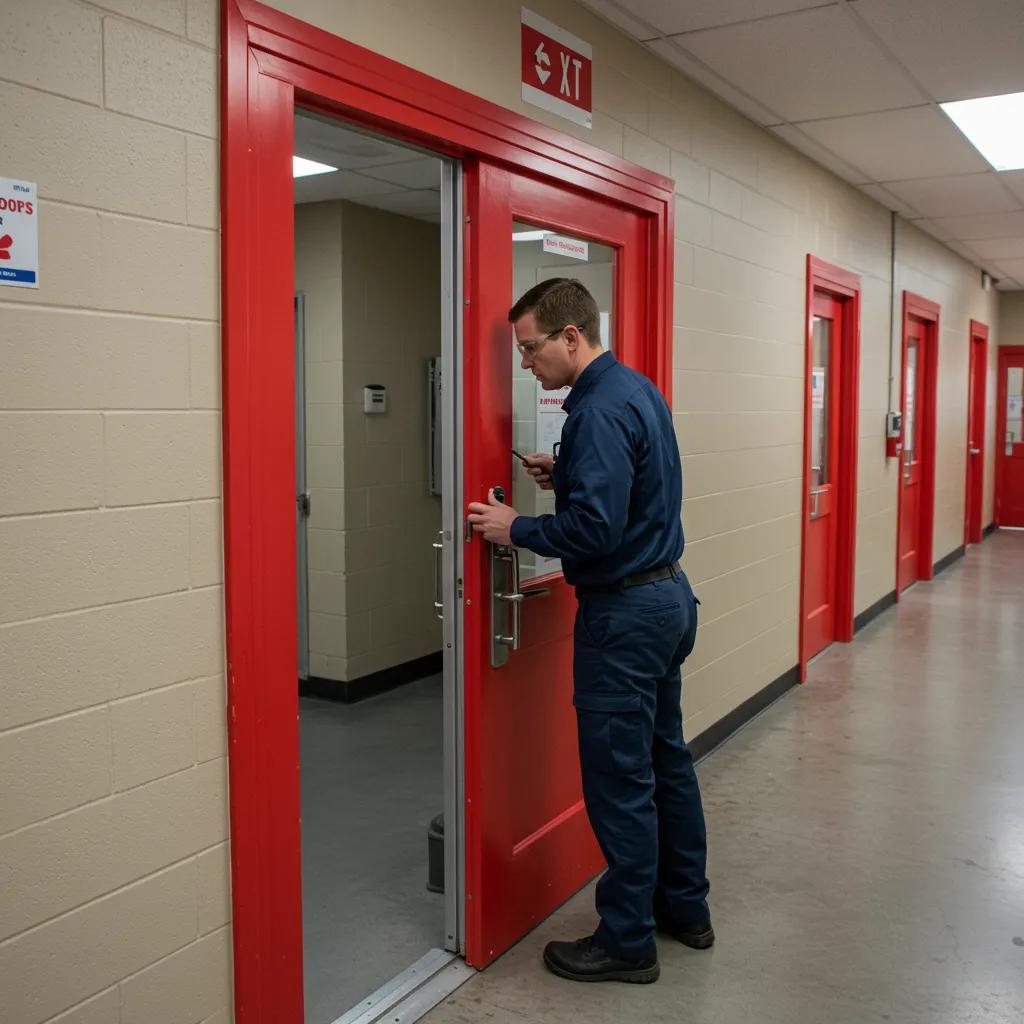
The Crucial Role of Fire Door Maintenance
fire doorsfire door maintenance
Safeguarding Lives and Property Through Diligent Fire Door Maintenance
Regular fire door maintenance is the most effective strategy for ensuring fire-rated assemblies perform reliably when every second counts. This guide details why consistent service for fire doors is vital for life safety, minimizing property damage, and reducing liability. You’ll discover how NFPA 80 and the International Fire Code dictate inspection and testing mandates, the recommended frequency for door evaluations, and common defects that signal potential failure. We’ll cover preventative measures to extend door longevity, provide a ready-to-use maintenance checklist for property managers and building owners, and clarify how certification and testing reinforce compliance. Throughout, learn how Oratso Corp—Trusted to Deliver Excellence Since 2004—integrates sales, installation, repair, and annual inspection services across South Florida and the Caribbean Islands to keep fire doors fully operational. By blending regulatory insights, practical examples, and actionable steps, this article empowers commercial clients, condo associations, and homeowners with the knowledge and tools to maintain fire doors that protect lives, property, and peace of mind.
Why Is Fire Door Maintenance Essential for Life Safety and Property Protection?
Fire door maintenance ensures door assemblies function as intended by preserving seals, hardware, and closing mechanisms. Neglected clearances or worn components can allow flames and smoke to breach compartments, reducing evacuation time and endangering occupants. Consistent upkeep enhances the mechanical integrity of steel or wood fire doors, supporting reliable operation under heat exposure and aiding in fire containment.
Maintaining fire doors also protects property and owner interests. Well-serviced doors limit structural damage by confining fires to their origin areas, reduce repair expenses, and uphold insurance coverage requirements. Furthermore, routine service demonstrates due diligence, reinforcing compliance and minimizing potential fines or litigation for building owners.
How Do Fire Doors Protect Occupants During a Fire?
Fire doors protect occupants by containing fire and smoke within designated compartments, thereby extending the safe duration of egress corridors. These assemblies feature fire-resistant cores, self-closing devices, and intumescent seals that expand under heat to seal gaps. By resisting heat transfer and blocking toxic gases, fire doors maintain tenable conditions in escape routes. Consistent maintenance of closing speed, latch engagement, and seal integrity ensures these mechanisms function precisely when activated by a fire event.
What Property Damage Can Be Prevented Through Proper Fire Door Maintenance?
Proper fire door maintenance limits property damage by isolating fire and smoke to their origin compartments. Effective seals and hardware prevent flame penetration into adjacent spaces, reducing smoke damage to finishes and furnishings. Maintaining rated doors preserves nearby structural elements, averting costly rebuilds. Ensuring frame alignment and tight clearances can prevent expensive corridor refinishing and equipment replacement after an incident.
How Does Fire Door Maintenance Reduce Legal Liability for Property Owners?
Regular fire door maintenance demonstrates adherence to NFPA 80 and local codes, establishing a documented defense against negligence claims. Property owners who schedule annual inspections and repairs can present proof of due diligence if regulatory authorities or courts question safety practices. By rectifying defects before failure, owners minimize the risk of lawsuits, fines, or insurance claim denials. Maintaining thorough records further substantiates a proactive safety program.
What Are the Fire Door Inspection Requirements Under NFPA 80 and Related Standards?
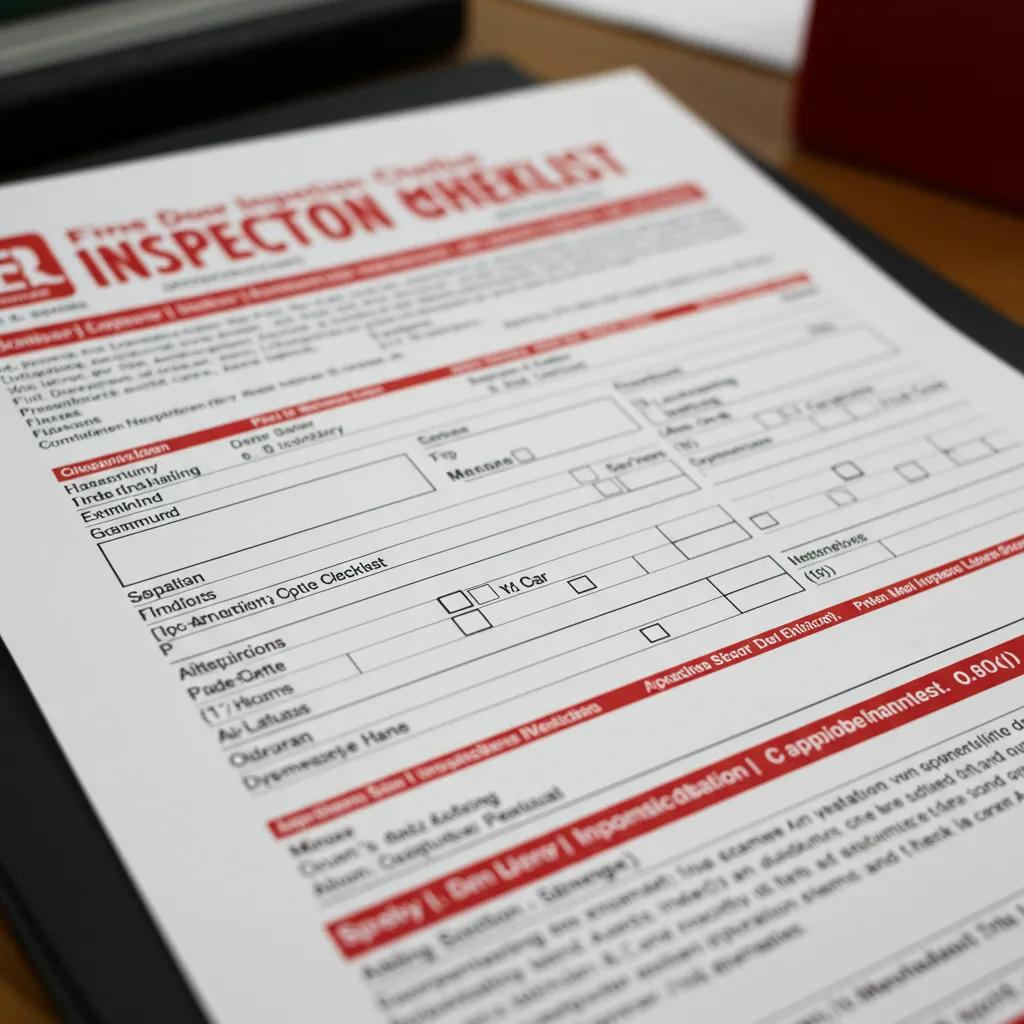
NFPA 80 mandates that fire door assemblies undergo annual inspections to verify labels, clearances, and hardware functionality. The standard outlines the scope, frequency, and documentation requirements for all rated doors, including frames, latching systems, glazing, and seals. Compliance with NFPA 80 ensures consistent performance and regulatory adherence across jurisdictions.
Complementing NFPA 80, the International Fire Code (IFC) incorporates similar provisions while clarifying permit and enforcement procedures. Local building codes in South Florida and the Caribbean often reference both NFPA 80 and IFC, adding region-specific requirements for hurricane-rated assemblies and post-storm inspections. Detailed documentation—including inspection reports, repair logs, and certification records—is crucial for satisfying both national standards and local authorities.
What Does NFPA 80 Mandate for Annual Fire Door Inspections?
NFPA 80 requires an annual inspection of all fire door assemblies to confirm:
- The presence and legibility of fire-rating labels
- Proper clearances (maximum 1/8-inch gaps around the door leaf)
- Full functionality of self-closing devices and latches
- Intact and undamaged intumescent and smoke seals
- Unobstructed operation without binding or sticking
Consistent adherence to these mandates ensures that assemblies perform reliably during emergencies and remain code-compliant.
How Does the International Fire Code (IFC) Complement NFPA 80 for Fire Doors?
The IFC reinforces NFPA 80 by linking fire door inspection compliance to occupancy permits and fire department approvals. It stipulates that fire door deficiencies identified during routine inspections must be corrected within specified timeframes and reported to authorities. This alignment streamlines enforcement and encourages more frequent checks in high-risk environments, enhancing overall fire safety.
What Local Building Codes Affect Fire Door Maintenance in South Florida and the Caribbean?
Region-specific regulations often impose additional measures for windborne debris and hurricane exposure. In Miami-Dade and Broward counties, notified product approvals (NOAs) and hurricane impact ratings may apply to fire doors, necessitating extra structural testing after severe storms. Caribbean jurisdictions may reference local fire codes that parallel NFPA 80 but include unique humidity and corrosion-resistance standards for coastal installations.
What Documentation Is Required for Fire Door Inspections and Maintenance?
Inspectors must maintain:
- Inspection Reports – Detailed checklists of findings, dates, and technician signatures
- Repair Records – Descriptions of corrective work, parts replaced, and completion dates
- Certification Statements – Statements of compliance signed by certified personnel
- Retention Protocols – Secure storage of records for a minimum of three to five years
These documents serve as proof of code adherence and support audits by insurance companies or regulatory agencies.
How Often Should Fire Doors Be Inspected and Tested for Optimal Performance?
Fire door inspection frequency balances regulatory mandates with operational needs. Annual inspections satisfy NFPA 80 requirements, while high-traffic environments often benefit from quarterly or semi-annual visual checks. Routine testing of closing speed and latch engagement reinforces reliability and preempts failures.
A practical schedule adapts to door usage, risk level, and occupancy type. Critical egress routes in commercial buildings may require monthly operational tests and quarterly comprehensive inspections. Residential fire doors typically undergo annual professional assessments supplemented by periodic self-checks by homeowners or staff.
What Is the Recommended Inspection Schedule for Commercial vs. Residential Fire Doors?
What Are the Key Testing Procedures, Including Drop Tests and Operational Checks?
Operational tests verify latch engagement, closing speed, and threshold seal integrity. Drop tests for rolling or coiling fire doors confirm automatic closure during power loss or fire alarm activation. Technicians measure closing times, inspect counterweights, examine guide tracks, and test panic hardware to validate safe performance under real-world conditions.
Who Is Qualified to Conduct Fire Door Inspections and Certifications?
Qualified inspectors hold certifications recognized by NFPA or accredited organizations and have undergone specialized training in fire door standards. These professionals understand regulatory requirements, possess technical expertise in hardware adjustments, and issue compliance certificates. Engaging certified technicians ensures accurate assessments and valid documentation.
What Are the Most Common Fire Door Issues and How Can Preventative Maintenance Address Them?
Common fire door malfunctions include excessive gaps, misaligned frames, and failing hardware, all of which compromise fire resistance. Preventative maintenance targets these areas before they escalate into safety hazards, preserving fire door performance and extending service life.
What Are Typical Fire Door Malfunctions: Gaps, Misalignment, and Damaged Hardware?
Frequent defects found in fire doors include:
- Excessive Gaps – Gaps exceeding 1/8 inch around the door leaf
- Frame Misalignment – Warped or loose frames that impede operation
- Worn Latches and Hinges – Hardware that fails to secure or close the door properly
Ignoring these issues can permit fire and smoke penetration, undermining compartmentalization and occupant safety.
How Do Intumescent Seals and Self-Closing Devices Affect Fire Door Integrity?
Intumescent seals expand under high temperatures to seal joints and prevent smoke passage, making them critical for fire containment. Self-closing devices ensure doors automatically return to the closed position, maintaining barrier continuity. Malfunctioning seals or closers invalidate the assembly’s fire rating and must be replaced or adjusted during routine service.
What Preventative Maintenance Strategies Extend Fire Door Lifespan?
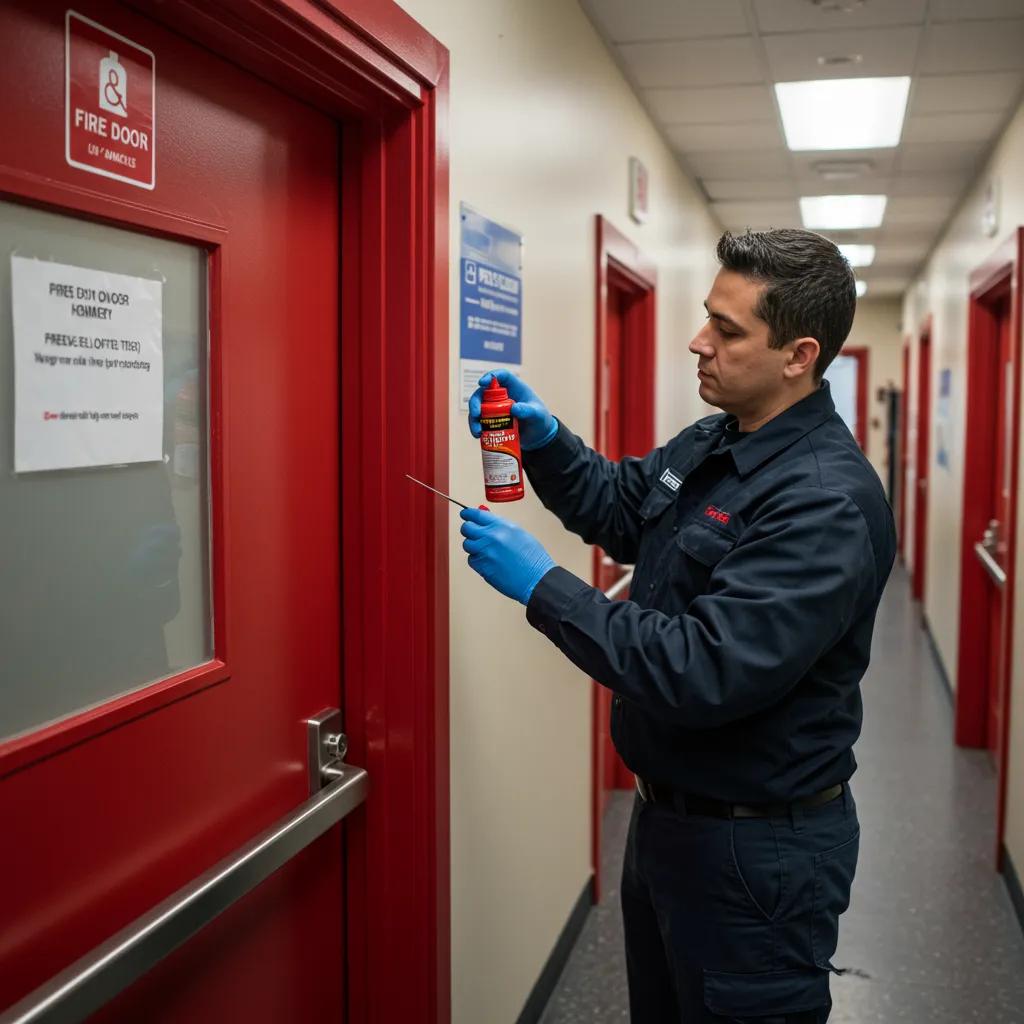
Effective strategies include:
- Scheduled Lubrication – Apply heat-resistant lubricant to hinges and pivots
- Seal Replacement – Replace intumescent and smoke seals at the first sign of wear
- Hardware Calibration – Adjust closers, latches, and panic devices to factory specifications
These measures uphold door performance, minimize repair costs, and reduce unscheduled downtime.
What Are Early Warning Signs of Fire Door Failure?
Early indicators of potential failure include:
- Doors that stick or drag
- Visible gaps between the door and frame
- Sluggish or incomplete closing action
- Damaged or missing seals
Identifying these signs during routine checks allows for corrective action before complete assembly failure occurs.
How Does Oratso Corp Provide Comprehensive Fire Door Maintenance and Repair Services?
Oratso Corp offers complete fire door services—sales, installation, repair, and annual inspections—supported by local expertise and regulatory knowledge. The company’s integrated approach streamlines maintenance programs, ensuring seamless coordination of repairs, parts replacement, and documentation.
With service coverage across South Florida and the Caribbean Islands, Oratso Corp supports commercial clients and homeowners by offering competitive pricing, FREE estimates, and emergency or overnight service for steel doors. This comprehensive model minimizes downtime and ensures facilities remain code-compliant.
What Fire Door Sales, Installation, and Repair Services Does Oratso Corp Offer?
Oratso Corp provides a wide range of commercial fire-rated doors, including hollow metal and wood options with 90-minute labels. Installation services guarantee proper frame alignment, hardware fit, and initial code compliance. Repair services address damaged seals, worn closers, misaligned frames, and hardware replacement—swiftly restoring full fire resistance.
How Does Oratso Corp Ensure NFPA 80 and Local Code Compliance?
Technicians adhere to NFPA 80 protocols and regional building codes during every inspection and installation. Detailed checklists cover labels, clearances, hardware, glazing, and seals. Compliance assurance includes stamped inspection certificates and properly archived documentation to support regulatory audits and insurance requirements.
What Emergency and Overnight Fire Door Repair Services Are Available in South Florida?
Emergency response teams are prepared for urgent repairs on roll-up and swinging fire doors, including overnight service for critical steel assemblies. Rapid deployment minimizes exposure to risk, allowing facilities to resume normal operations with full fire-safe integrity within hours of reporting.
How Can Clients Request Free Estimates and Schedule Fire Door Maintenance?
Clients can contact Oratso Corp’s service department to arrange FREE estimates or schedule annual inspections. The company’s customer-focused approach ensures prompt responses, transparent pricing under the Best Price Guarantee, and flexible appointment scheduling to accommodate facility operations.
What Is Included in a Fire Door Maintenance Checklist for Property Managers and Building Owners?
A comprehensive maintenance checklist guides property managers through daily, weekly, monthly, and annual tasks to uphold fire door performance. Structured routines help detect defects early, document findings, and schedule professional interventions promptly.
This multi-tiered approach—visual inspections by staff complemented by certified technician reviews—establishes a robust maintenance program that enhances safety and prolongs door lifespan.
What Daily and Weekly Visual Checks Should Be Performed?
Daily and weekly visual inspections by facility staff should include:
- Confirming doors close fully and latch securely
- Checking for visible damage to seals, frames, and hardware
- Verifying that no obstructions impede door operation
- Ensuring labels remain legible
These quick assessments identify obvious issues before they compromise safety.
What Monthly Operational Tests Are Recommended?
Monthly operational tests conducted by trained staff or technicians should include:
- Evaluating self-closing devices for correct closing speed
- Testing panic hardware for proper release and latching
- Assessing smoke seal compression upon door closure
- Observing threshold alignment and door binding
Performing these checks monthly maintains functional integrity between annual inspections.
What Are the Requirements for Annual Professional Fire Door Inspections?
Certified inspectors must:
- Verify compliance with NFPA 80 standards for labels, clearances, and hardware
- Perform drop tests on rolling doors and full operational checks on swinging doors
- Document all findings, discrepancies, and repairs in formal reports
- Issue stamped certificates of compliance for each assembly
These procedures create a verifiable record of code adherence.
How Should Inspection Records Be Maintained and Reported?
Facilities should retain inspection logs, repair orders, and compliance certificates for at least three years in secure archives. Digital record-keeping systems facilitate quick retrieval during audits. Reports should detail actions taken, parts replaced, and follow-up recommendations to support ongoing maintenance planning.
What Training Should Facility Staff Receive for Fire Door Maintenance?
Staff training programs should cover:
- Fire door components and their functions
- Recognizing early signs of failure
- Conducting visual and operational checks
- Documenting observations and escalation procedures
Well-trained staff serve as the initial line of defense in maintaining fire door readiness.
How Does Fire Door Certification and Testing Ensure Compliance and Safety?
Certification and testing validate that fire doors meet performance requirements under standardized conditions. Through annual testing protocols, assemblies receive documented confirmation that they will resist fire and smoke as intended, reinforcing occupant protection and code compliance.
This structured process involves accredited laboratories, certified technicians, and recognized standards to establish confidence in door performance.
What Are the Procedures for Annual Fire Door Testing and Certification?
Annual testing includes:
- Measuring closing and latching performance under simulated fire alarm conditions
- Conducting drop tests on rolling doors to verify automatic closure
- Inspecting seals, glazing, and frame integrity under heat exposure
- Issuing a certification report confirming compliance or outlining necessary repairs
Completing these steps maintains valid fire door ratings and satisfies regulatory mandates.
Which Certification Bodies and Standards Govern Fire Door Compliance?
Key standards and bodies include:
- UL (Underwriters Laboratories) – Fire door assembly listings and test methods
- BSI (British Standards Institution) – European fire door standards (EN)
- NFPA (National Fire Protection Association) – NFPA 80 for inspection and maintenance
These authorities establish benchmark criteria and testing protocols that ensure global consistency in fire door performance.
Why Is Certification by Qualified Technicians Critical for Fire Door Safety?
Certification by trained professionals ensures accurate interpretation of standards, precise measurement of performance, and valid documentation. Qualified technicians can identify subtle defects, apply approved repair methods, and attest to door integrity under legal scrutiny. Their expertise underpins confidence in fire door reliability and occupant safety across various building types.
Quality Management for Fire Doors: Installation and Accreditation
Based on the building regulations, buildings are required to have fire doors or fire shutters that prevent the spread of fire. These fire safety elements are required to get accreditation before they are used for buildings. In construction sites, contractors and inspectors are supposed to assure the quality of the installation of these elements. However, it has been observed in construction sites that such fire safety components are installed without following the installation guidelines and specifications, and the quality of the installed fire safety elements are often different from the quality of those that were tested for accreditation. Thus, to select check points for fire doors and fire shutters at the quality management in construction sites, related materials were analysed and validation tests were carried out for incorrect cases based on the findings from the analysis.
… on Related Materials Analysis and Validation Tests for the Selection of Check Points at the Quality Management in Construction Sites-Focused on Fire Doors and Fire …, 2016
End of article.