
Fire-Rated Steel Doors for Commercial Properties: Compliance & Safety Guide
Fire-Rated Steel Doors for Commercial Properties: Compliance & Safety Guide
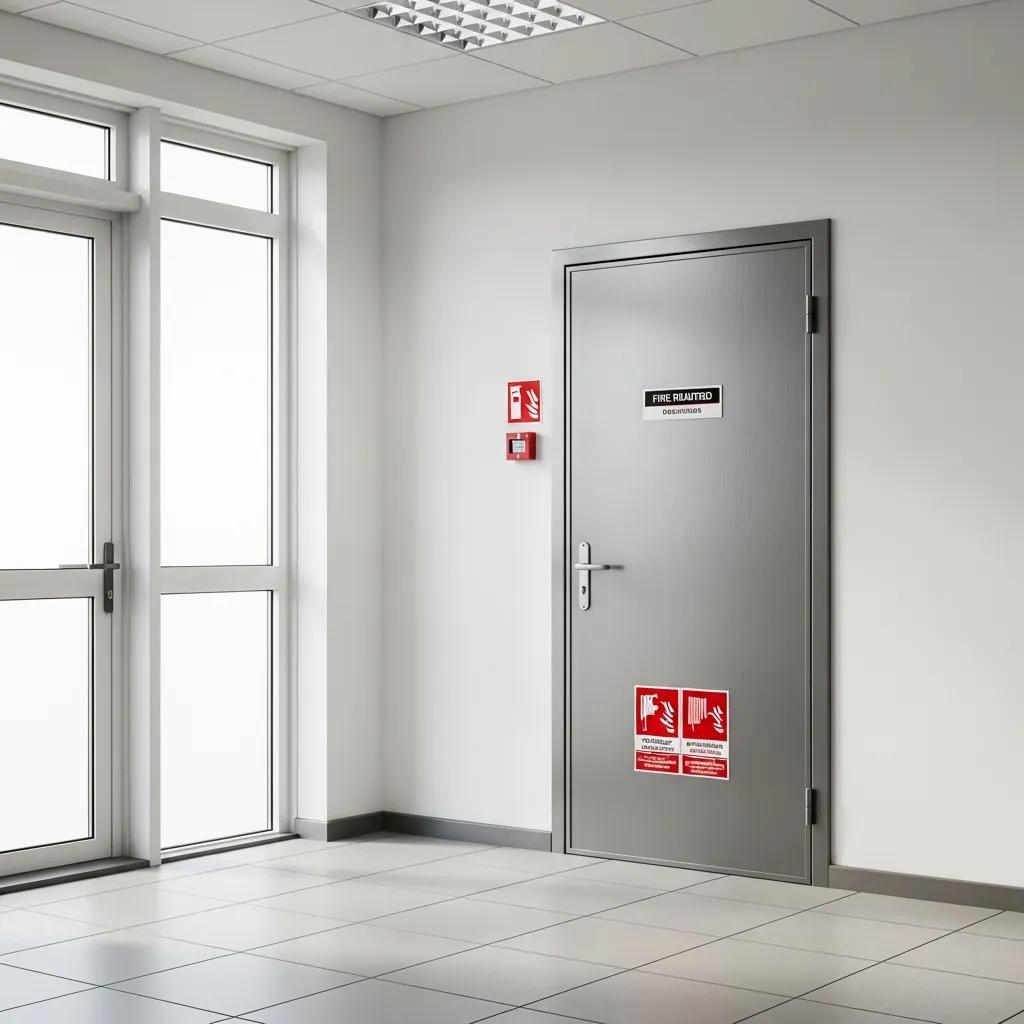
Fire-rated steel doors are essential components in commercial properties, designed to prevent the spread of fire and smoke while ensuring the safety of occupants. These doors are constructed to meet specific fire resistance ratings, which are critical for compliance with safety regulations. Understanding the standards and requirements surrounding fire-rated steel doors is vital for property owners and managers to maintain safety and legal compliance. This guide will explore the various compliance standards, installation and maintenance requirements, inspection processes, and how technology can enhance fire door safety and compliance. By the end of this article, you will have a comprehensive understanding of fire-rated steel doors and their importance in commercial properties.
The fundamental role of fire door assemblies in building safety, encompassing regulations, smoke control, and evacuation, is further emphasized by expert insights.
Fire Door Assemblies: Regulations, Smoke Control & Evacuation
Fire resistant door assemblies (doors) for pedestrian or industrial traffic with frame, leaf or leaves, rolled or folded curtain etc. are designed for installation in the openings of the building’s vertical internal partitions. The building and its associated equipment shall be designed and made so that in case of fire it ensures the necessary load bearing capacity of the structure for the time specified in national regulations, limitation of fire and smoke propagation within the building, limitation of fire propagation onto the adjacent buildings and evacuation of people, and it provides safety of the rescue teams.
Thermal insulation of single leaf fire doors, test results comparison in standard temperature-time fire scenario for different types of doorsets, D Izydorczyk, 2015
What Are the Commercial Fire Door Standards and Regulatory Requirements?
Commercial fire doors must adhere to strict standards and regulations to ensure they provide adequate protection in the event of a fire. These standards are established by organizations such as the National Fire Protection Association (NFPA) and Underwriters Laboratories (UL). Compliance with these regulations is not only a legal requirement but also a critical aspect of ensuring the safety of building occupants.
Which Compliance Standards Govern Fire-Rated Steel Doors?
Fire-rated steel doors are governed by several compliance standards, including:
- UL Fire Door Assembly Listings: These listings ensure that the door assembly (door, frame, hardware) has been tested for fire resistance and meets specific performance criteria.
- NFPA 80: This standard outlines the inspection, maintenance, and testing requirements for fire doors to ensure they function correctly during a fire.
- BS EN 16034 and BS 476 (European Fire Door Standards): These standards provide guidelines for fire door performance in Europe, ensuring that doors meet safety requirements across different regions.
Understanding these standards is crucial for property owners to ensure their fire doors are compliant and effective in protecting against fire hazards.
What Are the Fire Resistance Ratings for Steel Fire Doors?
Fire resistance ratings indicate how long a fire-rated steel door can withstand exposure to fire. These ratings are determined through standardized testing methods, which assess the door’s ability to prevent the passage of flames and smoke. Common fire resistance ratings include:
- 20 minutes: Less common; some standards recognize 20-minute doors for very low-risk areas.
- 30 minutes: Commonly used for corridors and stairwells in many jurisdictions.
- 45 minutes: Used in some applications depending on local codes.
- 60 minutes: Common in high-risk areas requiring enhanced protection.
- 90 minutes: Typically found in areas with significant fire hazards.
- 120 minutes: Used in very high-risk areas or where required by code.
These ratings are essential for compliance with local building codes and for ensuring the safety of occupants in commercial properties.
How to Meet Fire Door Installation and Maintenance Requirements?
Proper installation and maintenance of fire doors are critical to their effectiveness. Following established guidelines ensures that these doors function as intended during a fire emergency.
What Are the Key Steps in Fire Door Installation for Commercial Buildings?
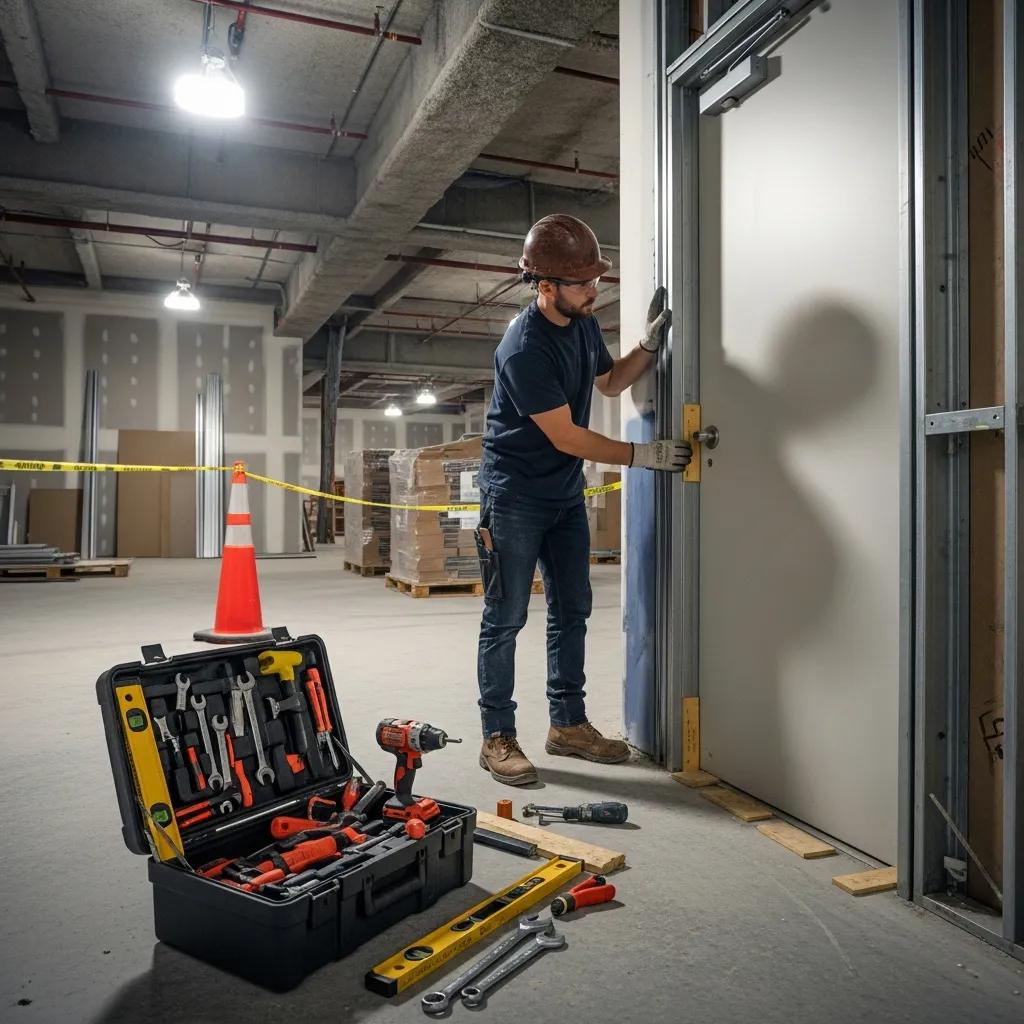
The installation of fire doors involves several key steps:
- Preparation: Ensure the door frame is secure and free from obstructions.
- Hanging the Door: Properly align the door within the frame, ensuring it swings freely and fits snugly.
- Hardware Installation: Install self-closing devices and other necessary hardware to ensure the door closes automatically.
- Compliance Checks: After installation, verify that the door assembly meets all compliance standards and performs as required.
Following these steps is essential for ensuring that fire doors provide the necessary protection in the event of a fire.
How to Maintain Fire Door Compliance with Regular Inspections?
Regular inspections are vital for maintaining fire door compliance. Best practices include:
- Daily Visual Checks: Inspect doors for any visible damage, obstructions, or signs of tampering.
- Monthly Operational Tests: Ensure that self-closing devices function correctly and that the door closes fully without obstruction.
- Annual Professional Inspections: Engage qualified personnel to conduct thorough inspections and document findings.
These practices help ensure that fire doors remain compliant and effective in protecting against fire hazards.
Emphasizing the critical nature of ongoing vigilance, research underscores the importance of regular inspections and maintaining clear fire corridors to ensure operational safety.
Fire Door Inspections & Operational Safety
Therefore, in order to reduce risks, it is forbidden to close the fire doors of the firefighting corridor and stacking combustible materials in the corridor, Also, intensifying inspections and ensuring the normal operation of the automatic fire extinguishing system are indispensable. Based on the research results, the significance of installing fire-fighting facilities in the construction of high-rise apartments was discussed and proved.
A study on the fire safety of high-rise apartments based on fire door switch and automatic fire extinguishing system, 2021
What Is the Fire Door Inspection and Certification Process?
The inspection and certification process for fire doors is crucial for ensuring they meet safety standards. This process involves regular assessments and documentation to verify compliance.
How Often Should Fire Doors Be Inspected in Commercial Properties?
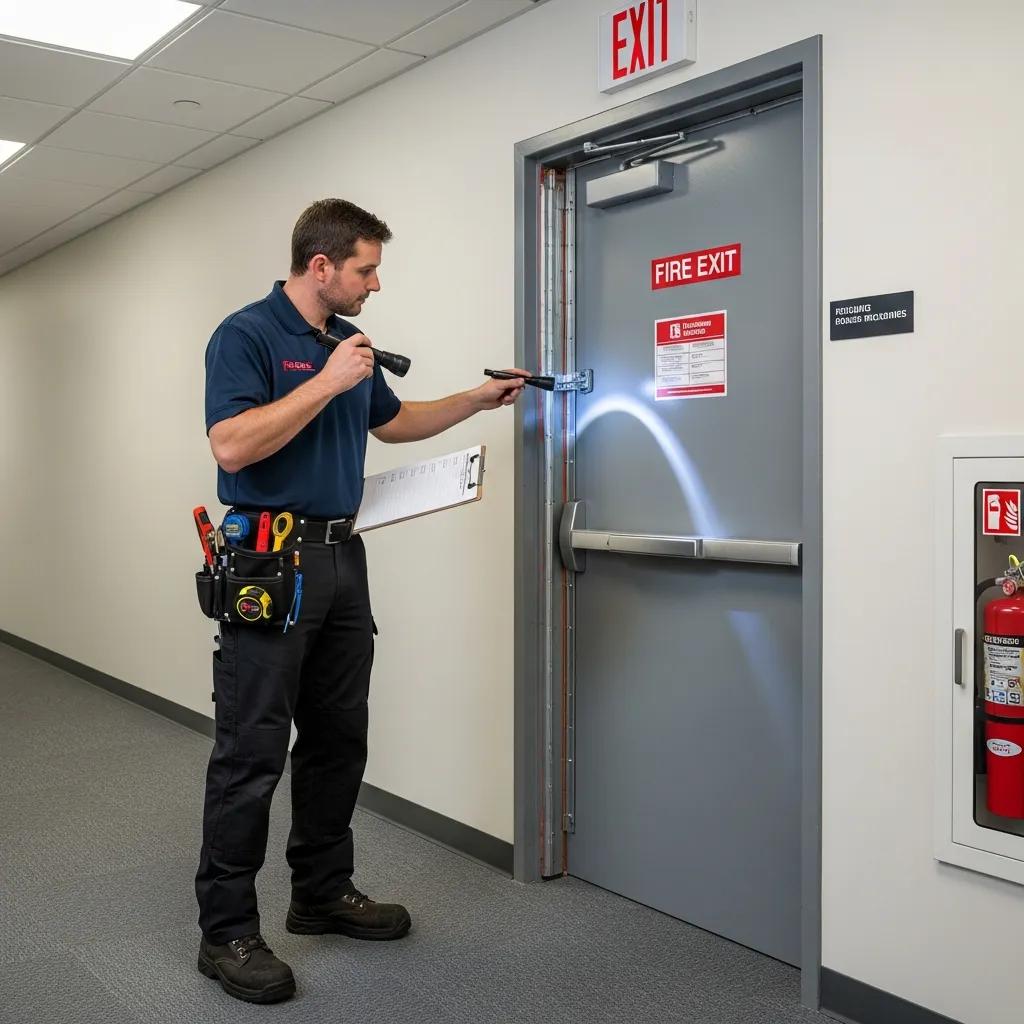
Fire doors should be inspected regularly to ensure they remain compliant. Recommended inspection frequency includes:
- Monthly Visual Checks: Quick assessments to identify any obvious issues.
- Annual Operational Tests: More thorough checks to ensure all mechanisms function correctly.
- Annual Professional Inspections: Comprehensive evaluations by qualified inspectors to certify compliance.
Adhering to these guidelines helps maintain the integrity of fire doors and ensures they provide the necessary protection.
What Are the Certification Procedures for Fire-Rated Steel Doors?
Certification procedures for fire-rated steel doors involve several steps:
- Testing: Doors must undergo rigorous testing to determine their fire resistance ratings.
- Documentation: Maintain records of all inspections, tests, and maintenance activities.
- Qualified Inspectors: Engage certified professionals to conduct inspections and provide certification.
These procedures are essential for ensuring that fire doors meet all regulatory requirements and function effectively in emergencies.
How Do Technology Solutions Enhance Fire Door Compliance and Safety?
Technology plays a significant role in enhancing fire door compliance and safety. Advanced solutions can streamline inspection processes and improve overall safety measures.
What Technology Services Support Fire Door Inspection and Certification?
Several technology services can support fire door inspection and certification, including:
- Automated Inspection Systems: These systems can streamline the inspection process, ensuring that all necessary checks are completed efficiently.
- Digital Record-Keeping: Maintaining digital records of inspections and certifications can simplify compliance management.
- Performance Testing Protocols: Advanced testing methods can provide more accurate assessments of fire door performance.
These technological advancements help ensure that fire doors remain compliant and effective in protecting against fire hazards.
How Does IoT and Digital Tools Improve Fire Door Maintenance?
The Internet of Things (IoT) and digital tools significantly enhance fire door maintenance by providing real-time monitoring capabilities. Key benefits include:
- Real-Time Monitoring: Sensors can detect when a fire door is not functioning correctly, alerting maintenance personnel immediately.
- Data Analytics for Maintenance: Analyzing data from inspections can help identify trends and areas for improvement.
- Enhanced Compliance Tracking: Digital tools can simplify the tracking of compliance documentation and inspection schedules.
By leveraging these technologies, property owners can ensure their fire doors are always in optimal condition, enhancing safety and compliance.