

Fire Rated Metal Doors: Essential Protection for Miami Properties
Fire Rated Metal Doors: Essential Protection for Miami Properties
Fire Rated Metal Doors provide critical life-safety and property protection in Miami’s high-risk fire and hurricane environment by combining fire resistance with robust wind-load performance. This guide details how these doors safeguard occupants, meet Miami-Dade County and NFPA 80 regulations, and withstand tropical storms. You’ll discover why metal excels over wood and glass for fire barriers, which ratings and certifications are vital, the full range of doors and services Oratso Corp offers, and how to select the ideal solution for commercial and residential projects. We’ll also cover hurricane-resistant features, energy-saving insulation, recommended inspection schedules, and best practices for selection and installation.
Why Are Fire Rated Metal Doors Crucial for Miami Properties?
Fire Rated Metal Doors merge steel’s inherent strength with proven fire resistance to compartmentalize flames and restrict smoke migration, facilitating safe evacuations and minimizing structural damage. This fundamental protection is essential for all life-safety planning and property security in Miami’s densely populated urban and coastal settings.
How Do Fire Rated Doors Protect Lives and Property in Miami?
Fire Rated Metal Doors impede fire and smoke spread through a combination of heavy-gauge steel panels, intumescent seals, and self-closing hardware. By achieving ratings of up to three hours, they establish fire compartments that provide crucial minutes for occupants to evacuate and for emergency responders to intervene. These barriers also maintain essential egress routes, ensuring stairwells and corridors remain accessible during emergencies. Understanding this protective mechanism leads us to consider how doors serve dual roles against wind and fire threats.
What Role Does Hurricane Resistance Play in Miami Fire Doors?
Hurricane-resistant fire doors feature reinforced frames, impact-rated glazing, and multi-point locking systems to withstand windborne debris and pressure surges during tropical storms. This dual-hazard design prevents breaches under Category 4 or 5 winds, preserving fire compartment integrity even if exterior walls are compromised. Protecting openings from both heat and hurricane forces ensures uninterrupted barrier performance when emergencies overlap.
Why Choose Metal Doors Over Other Materials for Fire Protection?
Metal surpasses wood and single-pane glass in fire resilience, structural integrity, and longevity. Steel doors resist charring, warping, and collapse at temperatures exceeding 1,000 °F, whereas wood doors may ignite or swell, compromising fire seals. Fire-rated glass options offer visibility but require specialized frames and wire mesh interlayers to meet equivalent hour-ratings. Steel’s inherent corrosion resistance and recyclability further enhance its suitability for Miami’s humid, salt-laden air. Evaluating these material advantages sets the stage for understanding local compliance requirements.
Miami Fire Door Compliance: Meeting Safety Standards
Adherence to Miami-Dade County’s building code and NFPA 80 ensures every fire door assembly meets stringent standards for performance, labeling, and installation. These regulations specify rating durations, hardware specifications, and inspection intervals to maintain barrier reliability throughout a door’s service life.
What Are the Key Miami-Dade County Fire Door Regulations?
Miami-Dade mandates that fire doors in High-Velocity Hurricane Zones (HVHZ) must possess dual certification for both windborne debris and fire resistance. Assemblies require a Miami-Dade Notice of Acceptance (NOA) listing, third-party testing for wall penetration, and labeling adjacent to the hinge side. Rated openings in walls without sprinklers necessitate a minimum 90-minute rating in commercial occupancies and a 60-minute rating in multifamily residential corridors.
Miami-Dade County Building Code Requirements for Hurricane and Fire Resistant Doors
In High-Velocity Hurricane Zones (HVHZ) like Miami-Dade County, fire doors are mandated to possess dual certification for both windborne debris and fire resistance. Products must obtain a Miami-Dade Notice of Acceptance (NOA) and undergo specific testing protocols, such as PA 201, PA 202, and PA 203, to ensure they can withstand missile impact and cyclic pressure, thereby maintaining structural integrity against both hurricane forces and fire.
This research directly supports the article’s claims about Miami-Dade’s stringent dual-hazard requirements for fire and hurricane resistance in building codes.
How Does NFPA 80 Standard Apply to Fire Rated Metal Doors?
NFPA 80 establishes national guidelines for the installation, maintenance, inspection, and testing of fire doors. It mandates that doors must close automatically, latch under fire conditions, and incorporate active and passive fire protection components such as gaskets, seals, and vision lites rated for the door’s resistance period. Compliance with NFPA 80 ensures consistent performance across jurisdictions, complementing Miami-Dade’s local regulations.
NFPA 80 Standard for Fire Doors and Other Opening Protectives
NFPA 80 establishes comprehensive guidelines for the installation, inspection, testing, and maintenance of fire doors, requiring them to be self-closing and self-latching to effectively prevent the spread of fire and smoke. The standard also details requirements for fire-rated hardware, intumescent seals, and clear labeling to ensure consistent performance and compliance across various jurisdictions. Annual inspections are crucial for identifying wear and verifying proper operation.
This citation verifies the article’s details regarding NFPA 80’s role in fire door functionality, maintenance, and compliance standards.
What Fire Ratings Are Required for Commercial and Residential Doors in Miami?
Miami properties typically require the following fire-resistance durations based on occupancy type:
How Do UL and Intertek Certifications Ensure Fire Door Quality?
UL and Intertek conduct independent testing under standardized fire-test protocols to verify ratings. A UL label confirms compliance with ANSI/UL 10C or 10B test methods, while Intertek’s Warnock Hersey mark signifies adherence to ASTM E119 criteria. Third-party certification assures building officials and owners that assemblies meet all performance and labeling requirements for permitted use.
Fire Resistance Testing and Certification of Door Assemblies by UL and Intertek
Independent testing organizations such as Underwriters Laboratories (UL) and Intertek (through its Warnock Hersey mark) certify fire door assemblies to rigorous standards like UL 10C, which evaluates performance under positive pressure fire conditions. These certifications confirm that doors, including hollow metal and fire-rated glass types, can withstand specified temperatures and pressures for durations ranging from 20 minutes to 3 hours, ensuring their ability to compartmentalize fire and protect egress paths. Steel doors generally offer superior fire ratings compared to wood.
This research supports the article’s explanation of UL and Intertek certifications, the testing methods (like UL 10C), and the comparative fire performance of metal versus other materials.
What Types of Fire Rated Metal Doors Does Oratso Corp Offer in Miami?
Oratso Corp provides a comprehensive selection of fire-rated metal doors engineered for Miami’s specific hazards, combining steel’s resilience with design flexibility and hurricane-resistant features.
What Are the Benefits of Hollow Metal Fire Doors?
Hollow metal fire doors achieve maximum ratings—up to 180 minutes—via a steel shell filled with mineral core insulation. They offer superior durability, corrosion resistance, and minimal maintenance, making them ideal for high-traffic commercial and institutional settings. Their factory-applied gasketing and tested hardware ensure consistent barrier integrity over time.
How Do Steel Fire Doors Provide Robust Protection for Commercial Properties?
Galvanized and stainless steel fire doors deliver exceptional strength, rust prevention, and aesthetic versatility for lobbies, corridors, and service areas. A galvanized finish resists humidity and salt air, while stainless steel is suited for sanitary or high-end architectural applications. Both types support fire-resistance ratings from 20 minutes to 120 minutes, aligning with a broad spectrum of code requirements.
When Are Fire Rated Glass Doors Suitable for Miami Properties?
Fire-rated glass doors integrate ceramic-wired or clear fire-resistant glazing within a steel frame to allow visibility while meeting 20- to 90-minute ratings. They enhance natural light, support security monitoring, and maintain compartmentalization. Ideal for hospitals, schools, and office lobbies, these assemblies require fire-rated glazing channels, sprinkler protection, and approved glazing beads.
What Fire Door Services Are Available in Miami for Installation and Maintenance?
Professional sales, installation, and ongoing maintenance ensure fire doors perform as tested and labeled. Oratso Corp’s services encompass every phase, from initial specification to emergency response, to uphold code compliance and life-safety functionality.
How Does Professional Fire Door Installation Ensure Compliance?
Expert installation adheres to manufacturer guidelines and NFPA 80 protocols, verifying frame plumbness, latch engagement, and gap tolerances. Certified technicians install fire-rated hardware—hinges, closers, panic devices—and apply intumescent seals with precision. Proper installation secures building-permit approval and prevents performance failures.
When Should Fire Rated Metal Doors Be Repaired or Replaced?
Doors requiring repair often exhibit damaged gaskets, warped stiles, or malfunctioning closers after significant use or storm impact. Repair restores full fire-seal and latching capability. Replacement becomes necessary if the door leaf or frame fails structural standards, the label is missing, or repeated repairs cannot guarantee a continuous fire barrier.
Why Are Annual Fire Door Inspections Essential in Miami?
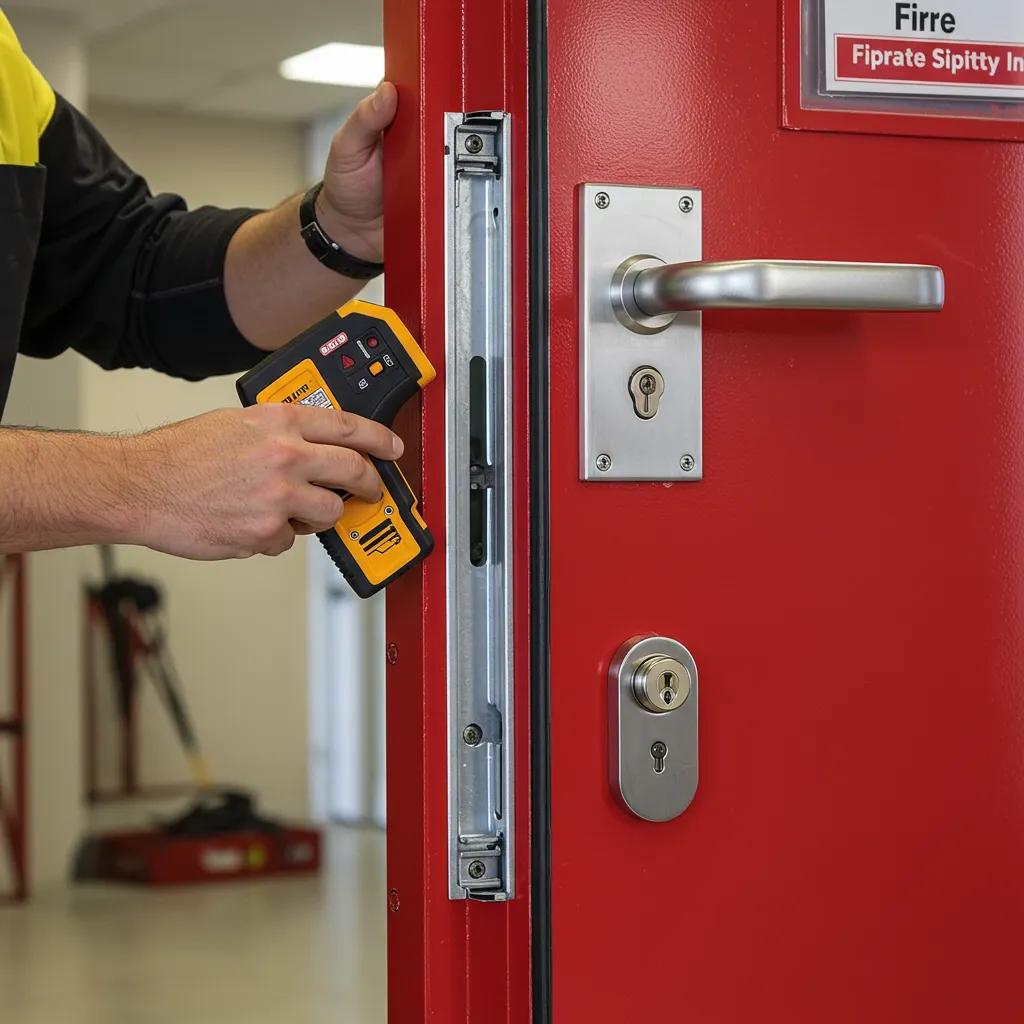
Annual inspections identify wear, confirm hardware operation, and verify label legibility, as mandated by NFPA 80 and Miami-Dade regulations. Inspectors assess closing speed, gap measurements, and seal integrity. Regular assessments prevent non-compliance citations, safeguard occupant safety, and extend the door’s operational lifespan.
What Emergency Fire Door Services Does Oratso Corp Provide?
Oratso Corp offers 24/7 rapid-response repair and replacement for doors damaged by fire, windborne debris, or vandalism. Emergency teams assess damage, secure openings with temporary fire-rated covers, and expedite permanent door installation to restore protection and code conformity.
How Do Fire Rated Metal Doors Enhance Safety and Functionality in Miami Properties?
Beyond fundamental fire containment, advanced metal door assemblies integrate features that elevate overall building resilience and occupant comfort.
What Are the Key Features of Hurricane Resistant Fire Doors?
Hurricane-rated fire doors include impact-tested glazing, reinforced sidelite frames, and additional steel bracing. They withstand missile impact and remain operable under positive or negative pressure cycles up to 140 psf. These features ensure fire compartments remain intact even if adjacent walls fail.
How Do Insulated Fire Doors Improve Energy Efficiency and Safety?
Insulated fire doors incorporate thermal cores to reduce heat transfer, lowering HVAC loads in Miami’s demanding climate. This insulation also limits radiant heat during a fire, protecting escape routes and adjacent structures from extreme temperature increases.
What Fire Rated Door Hardware Is Required for Compliance?
Essential hardware includes self-closing hydraulic or pneumatic closers, UL-listed hinges, latches or locks rated for the door’s fire duration, and intumescent door-edge and frame gasketing. Pressure-release thresholds and panic bars ensure safe egress while maintaining a tested seal.
Where Are Fire Rated Metal Doors Commonly Used in Miami?
Fire rated metal doors are utilized in a wide array of applications across commercial, residential, and industrial sectors throughout Miami’s built environment.
What Are the Fire Door Needs for Commercial Buildings in Miami?
Office towers, hotels, schools, and hospitals require corridor separation, stairwell enclosures, and rated glazing systems. Fire doors in these settings must balance aesthetics, durability, and emergency egress performance.
How Do Residential Fire Doors Protect Miami Homes and Condominiums?
In multifamily complexes, rated doors on corridors and between units limit fire spread between dwellings. They preserve escape routes and protect occupants until emergency services arrive.
Why Are Industrial Fire Doors Critical for Miami’s Industrial Sector?
Warehouses, manufacturing plants, and distribution centers employ large-scale fire shutters, rolling steel doors, and personnel doors with 90- to 120-minute ratings to safeguard valuable assets, machinery, and life-safety exits from rapid fire escalation.
How Can Miami Property Owners Choose the Right Fire Rated Metal Door?
Selecting the optimal door involves balancing material, rating, design, and application requirements against budget and aesthetic considerations.
What Factors Should Influence Fire Door Material Selection in Miami?
Owners should consider corrosion resistance, rating duration, maintenance needs, and exposure to salt air or chemicals. Steel offers superior strength and weather durability, while fire-glass assemblies provide transparency at the expense of specialized framing and glazing.
How Do Fire Ratings Affect Door Selection for Different Miami Properties?
Matching a door’s fire-resistance duration to the specific occupancy risk is crucial: 90 minutes for high-traffic commercial corridors, 60 minutes for residential halls, and 180 minutes for critical egress in healthcare facilities. Exceeding minimum ratings can enhance safety margins and positively impact insurance considerations.
What Are the Benefits of Custom-Sized Fire Rated Metal Doors?
Custom-sized doors ensure a perfect fit in unique openings, minimize on-site modifications, and preserve tested performance characteristics. Tailored solutions are ideal for retrofits in historic buildings or nonstandard frames, maintaining both safety and design integrity.
Fire Rated Metal Doors stand as the primary defense against fire and hurricane threats in Miami, combining proven fire containment with hurricane-grade resilience. Their compliance with local and national standards ensures code-approved protection, while specialized services from Oratso Corp guarantee that every installation and inspection upholds life-safety performance. Choosing the appropriate material, rating, and hardware maximizes safety and energy efficiency, safeguarding lives and property within South Florida’s demanding environment.