
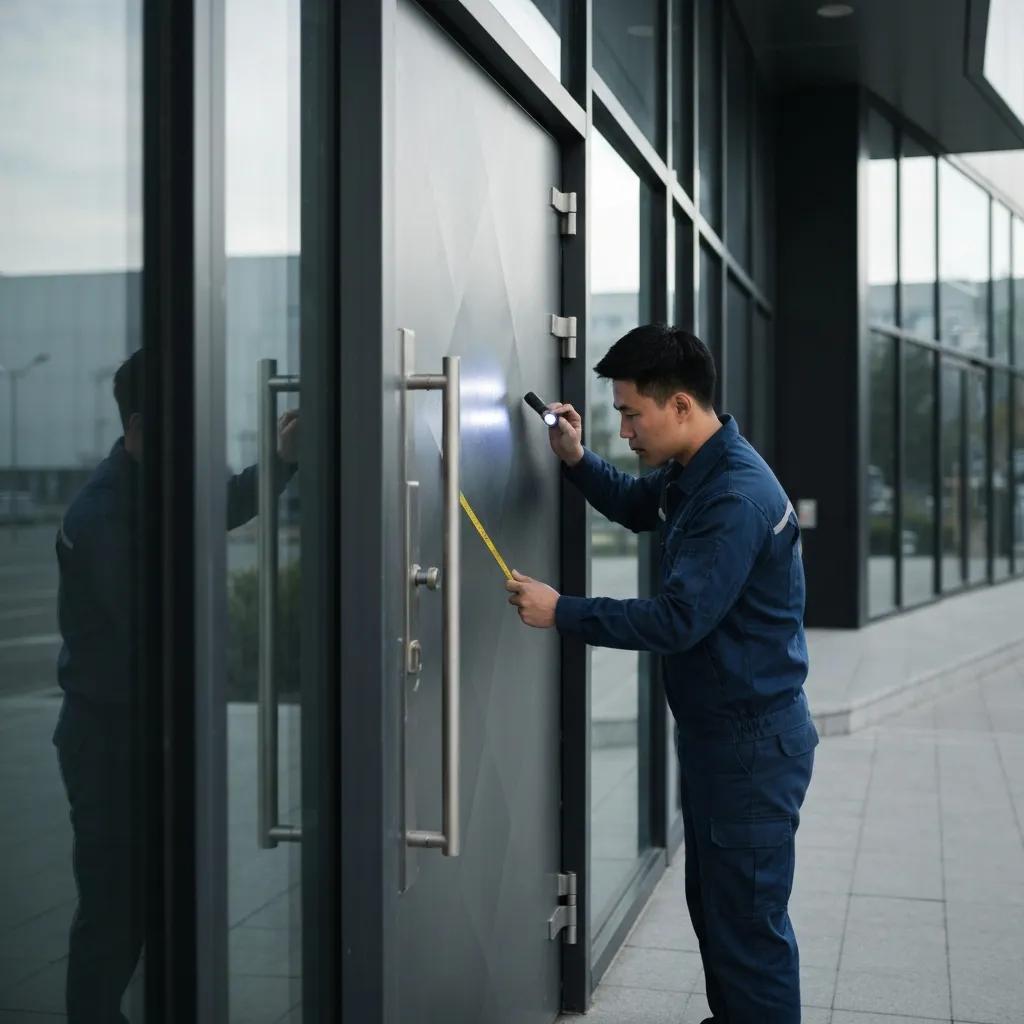
Metal Door Inspection Tips for Long-Lasting Performance
Optimized Metal Door Inspection: Ensure Safety and Compliance
A metal door inspection is a systematic check of a door’s surfaces, hardware, seals, and operation to protect life safety, energy performance, and service life. Regular inspections catch corrosion, misalignment, and failing hardware early so repairs are precise, less costly, and extend the assembly’s usable life while keeping you code-compliant. This guide lays out practical inspection intervals, a step-by-step commercial checklist, rust-prevention and remediation for steel and hollow-metal doors, plus code-aware checks for fire-rated and hurricane-impact assemblies. You’ll also find straightforward guidance on hardware lubrication and weatherstripping replacement to sustain energy efficiency and dependable operation. The guidance is localized for South Florida — salt-air corrosion and hurricane season — and includes service options and invitations for a free assessment if you prefer professional support. Keywords such as metal door inspection tips, steel door maintenance, fire-rated door inspection NFPA-80, and hurricane impact door maintenance South Florida are woven through to help discovery and practical use.
How Often Should Commercial and Residential Metal Doors Be Inspected?
Establishing a clear inspection cadence keeps small issues from becoming structural or compliance problems by spotting wear, corrosion, and operational drift before failure. Recommended intervals depend on door construction, traffic levels, and environmental exposure. Best practice separates routine staff-level visual checks from periodic professional inspections to balance cost and safety. In corrosive climates, increase the frequency to shrink the window for salt-driven deterioration and seal failure. Below is a concise planning guide for common door categories and use cases.
Recommended inspection intervals by door type and use:
- Annual professional inspection for fire-rated doors and assemblies required by code to maintain NFPA 80 compliance.
- Quarterly visual checks by on-site staff for exterior steel doors in coastal or high-salt environments.
- Monthly or weekly checks for high-traffic commercial entrances, loading-dock doors, and emergency exits.
- Residential: an annual inspection is typical, plus an extra check after storms or if performance issues appear.
These intervals balance regulatory obligations, staffing realities, and climate exposure. In South Florida, favoring more frequent checks during hurricane season and the wet months reduces unexpected failures and keeps doors performing through severe weather.
What Are the Recommended Inspection Intervals for Different Door Types?
Inspection frequency varies by door construction and function because each type presents different failure modes and code responsibilities. Hollow-metal and exterior steel doors in coastal settings benefit from quarterly visual checks to catch surface corrosion and failing seals; interior commercial doors without exterior exposure can often follow semiannual schedules. Fire-rated doors require annual professional inspection and documentation per NFPA 80 to verify labels, clearances, and self-closing mechanisms — this prevents lapses in life-safety performance. Hurricane-impact doors should follow manufacturer guidance and local approvals (for example, Miami‑Dade NOA); pre-season verification and immediate post-event assessment are recommended to ensure continued protection.
Increase inspection frequency when you see accelerated wear, repeated hardware failures, or proximity to salt water — those are triggers to move from quarterly to monthly reviews. Simple staff checks catch operational changes early and prompt timely professional follow-up to reduce downtime and emergency repairs.
How Does South Florida’s Climate Affect Inspection Frequency?
South Florida’s salt air, high humidity, and hurricane season speed corrosion and increase mechanical stress on metal doors, so more frequent inspections are prudent. Salt deposits accelerate galvanic attack on exposed steel and erode paint and sealants, while humidity can cause blistering and premature seal failure that leads to water intrusion and frame distortion. Hurricane season brings extra loading and impact risk; pre-season work (torquing fasteners, checking seals) and immediate post-storm inspections for structural or glazing damage are essential. For most South Florida facilities, monthly visual checks of exterior doors and quarterly professional reviews for critical assemblies help mitigate climate-driven deterioration.
Proactive steps — rinsing salt deposits, tightening anchor bolts before storms, and scheduling professional assessments after significant weather events — reduce cumulative damage and lengthen door life. Use these climate-driven adjustments to inform maintenance budgets and emergency plans, improving resilience and lowering lifecycle costs.
For help setting inspection cadence or arranging localized inspections, Oratso Corp provides planning and inspections tailored to South Florida and the Caribbean, with expertise in Miami‑Dade NOA and Florida Building Code standards. Our teams perform targeted assessments and can schedule pre- and post-storm inspections to minimize downtime. Request a free assessment or schedule an inspection to align intervals with your facility’s exposure and use.
What Are the Essential Steps in a Commercial Metal Door Inspection Checklist?

A commercial metal door inspection combines a surface sweep, operational tests, safety-device checks, and documentation to confirm reliable performance and code compliance. Start with a visual scan for corrosion, dents, and seal integrity, then perform functional tests — open/close, latch engagement, threshold checks — followed by hardware verification (hinges, closers, locks, panic devices, access control). Record findings and prioritized corrective actions to build a maintenance trail that supports compliance and budgeting. Facility teams can use the numbered checklist below as a repeatable procedure with estimated times for routine rounds.
Commercial metal door inspection checklist (estimated times):
- Visual surface and frame inspection — 5–10 minutes per door: Look for rust, paint failure, dents, loose fasteners, and anchor condition.
- Operational test — 5 minutes: Open and close the door, note any binding, check latch engagement and closing force.
- Hardware check — 10 minutes: Inspect hinges, closers, locks, panic devices, and access-control connections for wear and secure mounting.
- Seal and threshold assessment — 5 minutes: Verify weatherstripping, bottom seals, and threshold condition for air and water tightness.
- Safety and compliance verification — 5–10 minutes: Confirm fire labels, intumescent seals, closers on fire doors, and functional panic hardware.
These steps create a concise routine building staff can perform weekly or monthly, with items that trigger professional follow-up when defects need more than basic adjustment or signal structural compromise.
The table below maps major door components to inspection attributes and a simple pass/fail or action-required outcome so crews can scan quickly during rounds. Use it to standardize reporting templates and speed documentation.
We can supply trained inspectors to run this checklist, document findings, and deliver a free estimate for repairs or maintenance. Our local experience with South Florida conditions and compliance frameworks helps translate checklist items into prioritized remediation and budgeted work plans.
How Do You Maintain and Prevent Rust on Steel and Hollow Metal Doors?
Rust prevention focuses on removing corrosive deposits, applying protective finishes, and choosing materials and treatments matched to exposure. The principle is simple: limit moisture and salt contact and use coatings or galvanization to interrupt corrosion cells. Routine cleaning, prompt repair of coating failures, and corrosion-resistant fasteners and sealants dramatically slow metal loss and preserve structural integrity. When rust advances to pitting or through‑corrosion, mechanically remove affected metal, apply appropriate primers, and repaint to restore protection. The comparison table below helps maintenance teams select treatments by material and finish and lists recommended actions.
Match remediation and coating choices to the door’s exposure and expected service life to get the best value from repairs.
Key rust-remediation steps combine mechanical cleaning, chemical treatment, and protective finishing:
- Remove loose rust and scale mechanically, then neutralize remaining corrosion with a rust converter.
- Apply a corrosion-resistant primer (zinc-rich or epoxy) to rebuild the barrier.
- Topcoat with a durable finish (polyurethane or fluoropolymer) and ensure edges and welds are fully covered to prevent undercutting.
When these steps are paired with a regular washing schedule in coastal locations, you reduce recurring deterioration and extend intervals between major interventions.
What Are the Best Practices for Rust Remediation and Corrosion Prevention?
Follow a simple D+R+E routine: define the extent of corrosion, remediate with mechanical and chemical methods, and establish environmental controls to prevent recurrence. For light surface rust, sand to bare metal, apply a rust converter if needed, prime with a zinc-rich primer, and finish with a UV- and salt-resistant paint system. For advanced pitting or structural compromise, replace affected panels or engage professional remediation that includes weld repair and structural evaluation. Regular cleaning to remove salt deposits and inspection of seals and welds prevents trapped moisture from driving ongoing corrosion.
Choosing coastal-rated coatings and fasteners, and documenting remediation work, helps preserve warranties and clarifies when replacement — rather than repair — is the most cost-effective option. These practices tie directly into maintenance contracts and scheduled professional inspections for high-risk assets.
Which Lubricants and Maintenance Techniques Extend Door Hardware Lifespan?
Using the right lubricant on a regular schedule keeps hinges, locks, and closers working and reduces wear that leads to replacement. In coastal and dusty environments, dry-film lubricants and silicone sprays are preferred because they resist picking up grit and tolerate humidity. Lithium-based grease is appropriate for heavy-load hinges where film strength matters, while light lock oil serves fine lock cylinders sparingly to avoid gumming. Apply lubricant to hinge pins, moving parts of closers, and lock mechanisms per the manufacturer’s recommendation — typically every three to six months for exterior hardware in corrosive settings.
Avoid aerosol oils that attract dirt and petroleum products that degrade seals. Follow product-agnostic guidance (silicone or dry-film for coastal use; lithium grease for heavy hinges). Regular torque checks, fastener tightening, and timely replacement of wear-prone parts before catastrophic failure preserve security and reduce emergency repairs.
What Are the Inspection and Maintenance Requirements for Fire-Rated and Hurricane Impact Doors?
Fire-rated and hurricane impact doors protect life and property, so inspections must confirm labels, intumescent seals, self-closing devices, and anchorage to meet NFPA 80 and local codes like Miami‑Dade NOA. Inspectors verify certification labels, check intumescent seals for continuity and compression, test self-closing hardware for adequate closing force and latching, and confirm clearances and thresholds are within permissible tolerances. Hurricane-impact doors need pre-season verification of fastener torque, seal continuity, and glazing integrity, plus post-event checks for impact damage or seal displacement. The lists below offer code-aware checkpoints and pre/post-storm tasks to keep these critical systems ready.
Essential NFPA-80 and hurricane readiness checks:
- Verify fire door labels are present and legible and intumescent seals are intact and undisturbed.
- Confirm self-closing devices operate smoothly and produce positive latching under expected closing force.
- Inspect anchorage, welds, and frame connections for movement or loose fasteners that could weaken impact resistance.
- Pre-season: torque fasteners, inspect glazing retainers, and replace worn seals. Post-storm: inspect for deformation and water intrusion.
How to Verify Fire-Rated Door Compliance with NFPA-80 Standards?
NFPA 80 compliance is built on documentation and routine inspection of label authenticity, operational performance, and component integrity. Inspectors should confirm the manufacturer’s label and rating, ensure intumescent and edge seals are continuous and undamaged, measure clearances at the head and strike edge to verify permitted gaps, and test self-closing devices and latch engagement. Keep inspection records with date, inspector name, observations, and corrective actions; these records support code or insurance reviews and demonstrate a proactive compliance program.
If a component fails — missing label, nonfunctional closer, or damaged intumescent seals — schedule a professional repair or replacement and record the corrective action. Professional inspections for fire-rated doors are recommended annually and after any event that could affect the assembly’s integrity.
What Are the Best Practices for Hurricane Impact Door Upkeep in South Florida?
To maximize resilience, maintain seal compression, verify fastener torques, and ensure frames are plumb and square so loads transfer correctly under high winds. Pre-season maintenance should include tightening anchor bolts, replacing degraded weatherstripping, and checking glazing attachments and screw patterns against manufacturer requirements. After storms, inspect for dents, frame distortion, water intrusion, and compromised seals — report suspected structural damage quickly for professional evaluation to prevent progressive failure. Use materials and finishes rated for coastal exposure to reduce repeat maintenance.
Working with vendors and installers familiar with Miami‑Dade NOA requirements ensures replacements and repairs remain code-compliant and avoid costly rework.
How Can Door Hardware and Weatherstripping Be Inspected and Maintained for Optimal Performance?
Hardware and weatherstripping most directly affect a door’s day-to-day function, energy use, and security, so inspecting them on schedule preserves performance and reduces energy loss. A hardware inspection checks for loose fasteners, hinge wear, closer leaks, lock engagement, and panic-device reliability; seal checks evaluate compression, gaps, and material degradation. The quick-reference table below maps hardware types to service intervals and recommended lubricants or replacement actions to standardize field maintenance. Proactive adjustments and timely seal replacement deliver measurable energy and security benefits.
Intro to hardware maintenance reference table: the following table lists common hardware types, recommended service intervals, and lubricant or replacement guidance to standardize field work.
What Are the Signs of Wear and How to Lubricate Hinges, Locks, and Closers?
Signs of wear include squeaking hinges, visible pin play, sluggish closer action, hydraulic leaks, loose mounting screws, and keys that bind. These symptoms point to lubrication, adjustment, or part replacement. To lubricate hinges: clean away dirt, apply the appropriate grease or dry-film lubricant to pin and bearing surfaces, and re-tighten screws to specified torque. For locks, add a few drops of light lock oil into the keyway and cycle the cylinder — avoid heavy greases that attract dirt. For closers, follow the manufacturer’s adjustment sequence for sweep and latch speeds and replace closers that leak or fail to control closing consistently.
Documenting these small interventions prevents escalation into costly repairs like ripped strikes, warped frames, or failed fire-door operation. Proper lubrication and timely part replacement keep doors quiet, secure, and code‑capable.
How to Check and Replace Weatherstripping and Seals for Energy Efficiency?
Weatherstripping failure shows up as drafts, higher energy bills, or visible gaps when the door is shut. Simple tests such as the dollar‑bill or smoke test reveal leaks quickly. Inspect compression seals, bulb seals, gaskets, and thresholds for cracks, flattening, or detachment, and replace based on exposure — annual replacement is common in severe coastal environments. Select seal types by application: compression seals for perimeter gaps, bulb seals for bottom sweeps, and gasketing for rated doors where seal continuity affects performance. Proper installation ensures consistent compression and full-length anchoring to prevent wind-driven water intrusion and maintain thermal performance.
Replacing failing weatherstripping is a cost-effective energy upgrade that reduces conditioned-air loss and improves occupant comfort; coordinate replacements with other scheduled maintenance to minimize downtime.
When Should You Seek Professional Metal Door Inspection and Repair Services in South Florida?
Call in professionals when issues go beyond routine adjustments or involve compliance, structural integrity, or safety risks that affect occupants or liability. Engage certified technicians for annual NFPA 80 fire-door certification, weld or frame re-anchoring repairs, extensive corrosion remediation, and post-impact or post-hurricane structural assessments. Scheduled maintenance contracts create predictable budgets, documented compliance, and prioritized emergency response — which lowers lifecycle costs and reduces downtime. The list below highlights situations that warrant professional intervention and the advantages a local service provider brings to South Florida facilities.
Situations that require professional inspection or repair:
- Fire-rated doors with missing labels, nonfunctional self-closing devices, or compromised intumescent seals.
- Doors showing structural corrosion, through-pitting, or compromised welds and anchors.
- Hurricane impact damage, glazing failure, or frame distortion following storms.
- Repeated hardware failures despite routine maintenance, indicating latent defects.
What Are the Benefits of Scheduled Maintenance Contracts with Oratso Corp?
Scheduled maintenance contracts deliver predictable upkeep, recorded inspections, and priority scheduling — benefits that reduce long-term repair costs and improve regulatory readiness. Oratso Corp offers inspection and maintenance plans for doors, windows, and related systems across South Florida and the Caribbean, combining local climate know-how with Miami‑Dade NOA and Florida Building Code awareness. Contracts typically include routine rounds, NFPA 80 documentation, prioritized emergency response, and free estimates for larger repairs so facilities can budget proactively. A maintenance contract reduces emergency call-outs and ensures continuity with technicians who understand salt‑air corrosion patterns and storm‑season scheduling.
Choosing a local provider means technicians know the rhythms of South Florida weather and can schedule work to reduce repetitive repairs and improve long-term door performance.
How Do Emergency Repair Services Prevent Costly Door Damage?
Fast emergency repair stops progressive damage — water intrusion, spreading corrosion, or compromised security — from becoming structural failure or prolonged downtime. Emergency teams stabilize assemblies, install temporary seals or shoring, and prioritize permanent repairs to limit secondary damage to finishes, adjacent structures, or inventory. For businesses, rapid restoration of secure egress and access control reduces operational interruption and mitigates liability. Keep emergency contacts and response plans accessible so action is swift after impacts, storms, or mechanical failures.
Oratso Corp maintains emergency repair teams serving South Florida and the Caribbean, providing rapid stabilization, rust remediation, and temporary or permanent repairs with documentation and follow-up recommendations to prevent repeat incidents.
Frequently Asked Questions
What are the common signs that a metal door needs repair?
Look for visible rust, dents, or failing paint — these often signal underlying corrosion. Operational signs include difficulty opening or closing, binding, or misalignment. Hardware issues such as loose hinges or malfunctioning locks compromise security and function. Air leaks or water intrusion point to failing seals or weatherstripping. Regular checks catch these issues early and prevent costly downstream repairs.
How can I improve the energy efficiency of my metal doors?
Improve energy efficiency by inspecting and maintaining weatherstripping and seals to stop drafts. Replacing worn seals can significantly reduce air leakage and energy costs. Proper door closing and secure latching help, as does maintaining finishes that protect against corrosion and thermal bridging. For greater gains, consider insulated door cores or thermal-break designs where applicable.
What should I do if my metal door is damaged after a storm?
First, assess damage: check for frame bending, broken seals, glazing damage, and water intrusion. If the door still functions, you may be able to address cosmetic damage and rust treatment. For structural issues, compromised hardware, or water entry, contact a professional for a full inspection and repairs to ensure safety and code compliance.
Are there specific maintenance tips for hurricane impact doors?
Yes. Regularly check seals and fasteners for tightness and condition. Pre-season, tighten anchor bolts, inspect glazing and frame alignment, and replace worn weatherstripping. After storms, inspect for dents, frame distortion, and water intrusion and report suspected structural damage promptly. Keep maintenance records to demonstrate ongoing readiness and code compliance.
What types of lubricants are best for metal door hardware?
Use dry-film lubricants and silicone sprays in coastal areas to resist dirt and moisture. Lithium-based greases work well on heavy-load hinges; light lock oil is suitable for cylinders when used sparingly. Avoid aerosol oils that attract grit and petroleum-based products that can degrade seals. Lubricate on a three- to six-month cadence in corrosive environments.
How can I ensure compliance with fire-rated door regulations?
Ensure compliance by inspecting for proper labeling, intact intumescent seals, and functioning self-closing devices. Keep documented inspection records with dates, findings, and corrective actions. Understand NFPA 80 and local code requirements, and schedule annual professional inspections or after any event that may affect the assembly.
What are the benefits of hiring a professional for metal door inspections?
Professionals spot issues that are easy to miss, understand local codes and compliance pathways, and provide thorough documentation needed for regulatory or insurance reviews. They recommend targeted maintenance strategies and perform repairs that extend door life, reducing downtime and overall lifecycle costs.