
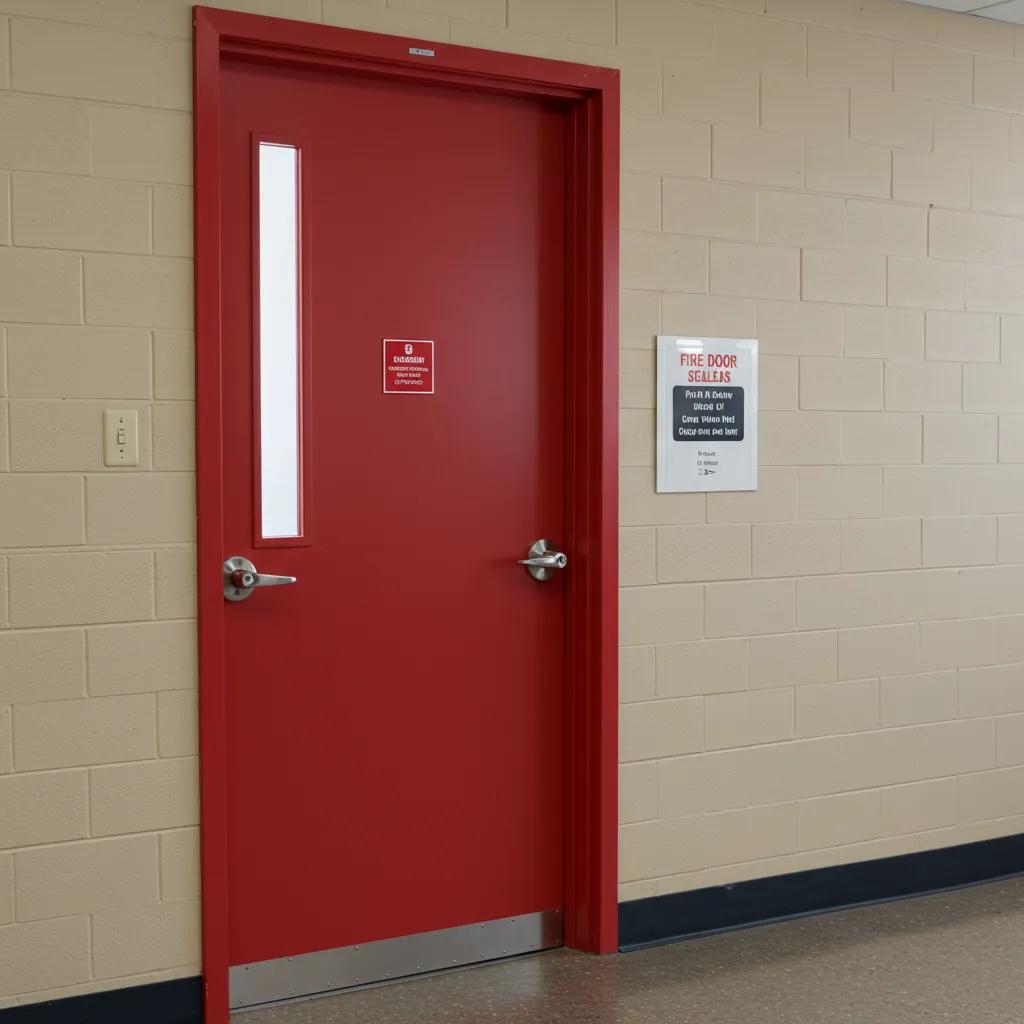
Essential Fire Door Compliance Checks for Miami Facilities
Comprehensive Guide to Ensuring Miami Facility Fire Door Compliance
Fire door compliance checks are the systematic inspections and verifications that confirm fire‑rated door assemblies will perform as intended to protect people and property under Miami‑specific rules like NFPA 80 and the Florida Building Code. This guide tells facility managers exactly what to inspect, why each check matters, and how proper compliance lowers safety risk, avoids interruptions, and reduces potential fines. You’ll get clear explanations of regulatory requirements and inspection timelines, see the common deficiencies we encounter in Miami facilities, and find step‑by‑step recertification and labeling practices that meet typical AHJ expectations. We also compare door types — including hurricane‑rated assemblies — offer practical maintenance schedules, and provide tables and checklists you can use right away. Throughout, we clarify terms such as fire door label, intumescent seal, closer, and UL listing so you can communicate confidently with inspectors, contractors, and insurers. Read on for actionable inspection items, preventive maintenance steps, and pragmatic next steps for certification and repairs.
What Are the Key Miami Fire Door Inspection Requirements?
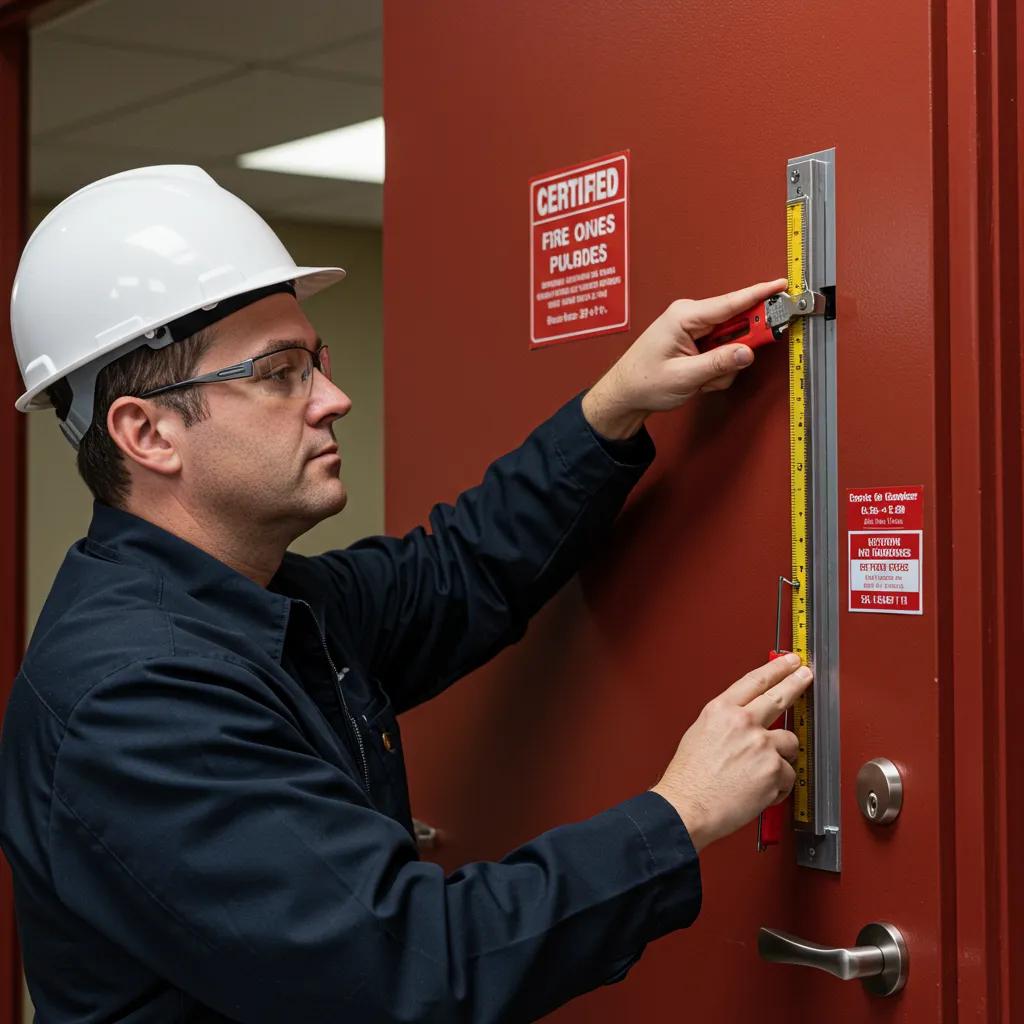
Miami fire door inspection requirements originate with NFPA 80, are enforced through the Florida Building Code, and can be influenced by Miami‑Dade County Product Approval (NOA) and the local AHJ’s interpretations. Together, these standards set the inspection scope, frequency, and documentation expectations. Inspectors evaluate the assembly as a whole — door leaf, frame, hardware, seals, and label — confirming each component preserves the listed fire‑resistance rating and the door’s smoke control function. Key pass/fail checks include clearances, latching, self‑closing operation, intumescent and smoke seal condition, and a present, legible fire door label. AHJs and insurers commonly require documented inspection reports with photos, a deficiency list, and recommended corrective actions. The compact table below links the principal standards to concrete inspection tasks so facility teams can plan work and prepare records.
This table turns the major regulations into clear inspection items and expected documentation.
This mapping clarifies which standard drives each requirement and why thorough documentation matters for AHJ review and insurer validation.
How Does NFPA 80 Define Fire Door Inspection Standards in Miami?
NFPA 80 lays out inspection types, component checks, and acceptable operation for fire door assemblies that form part of a building’s life‑safety systems. The standard mandates an annual inspection covering hardware (self‑closing devices, latches, gasketing), structural integrity (no holes or excessive damage), clearances (measured gaps and sweep condition), and verification of the fire door label or nameplate. Inspectors record functional tests — for example, self‑closing and positive latching — and note any field modifications that could void the listing; reports should link deficiencies to corrective actions and timelines.
NFPA 80 also stresses recordkeeping so facility managers can present a compliance history to the AHJ, which naturally leads into how state and local codes adopt or modify NFPA 80.
Fire Door Certification: Performance Labels and Testing Standards
Fire doors are passive elements designed to limit the spread of fire and smoke inside a building. Certification gives owners a performance label that identifies how the door behaved under fire and heat during testing. Different regions reference related test methods, but they share the same basic concept: a time‑dependent temperature profile that defines the thermal load. Relevant European standards include EN 1634‑1, EN 13501‑2, and EN 1363‑1.
Certification of a Fire Door–An Overview, J Silva, 2025
What Local Miami‑Dade and Florida Building Codes Affect Fire Door Compliance?
The Florida Building Code adopts NFPA 80 provisions and adds state amendments that affect acceptable materials, labeling, and inspection protocols. Miami‑Dade County layers in product approval through the NOA process for assemblies exposed to hurricane forces. NOA documentation is especially important for doors that combine fire ratings with impact or wind resistance; inspectors will confirm installations follow NOA conditions and anchoring details so both fire and hurricane performance remain intact. Because the AHJ interprets overlapping codes during plan review and field inspections, facility managers should have manufacturer documentation, label data, and NOA references ready. Understanding how these codes interact helps prioritize corrective actions that preserve rating integrity and maintain AHJ confidence, and it also informs inspection frequency and re‑inspection triggers.
How Often Are Fire Door Inspections Required for Miami Commercial Facilities?
The straightforward baseline: NFPA 80 requires annual fire door inspections, and that requirement is enforced through Florida code processes. Additional inspections are triggered after repairs, field modifications, or storm events that could affect an assembly’s integrity. Annual inspections confirm the assembly still meets its listed criteria and create the documented record AHJs and insurers typically review during audits or claims. Beyond the annual check, schedule a re‑inspection immediately after any modification to the door or frame, after hardware replacement, or following suspected hurricane damage to verify the fire rating was not compromised. Keeping clear inspection timelines and logs demonstrates due diligence and supports business‑continuity planning.
Use this list to plan inspections beyond the annual requirement.
- Annual Inspection: Required by NFPA 80 and generally enforced via the Florida Building Code for commercial properties.
- Post‑Repair or Modification: Inspect after any change to hardware, glazing, or the frame that could affect the listing.
- Post‑Storm or Impact Event: Conduct an immediate inspection after hurricanes, impacts, or flooding that might have damaged seals, anchors, or labels.
Maintaining a documented inspection history improves AHJ communication and strengthens insurance resilience.
What Is Involved in an Annual Fire Door Inspection in Miami?
An annual inspection combines visual and functional tests to confirm the fire door assembly will perform as listed under fire and smoke conditions. Inspectors check for a present, legible fire door label; measure clearances around the leaf; test self‑closing devices and latching; and inspect intumescent and smoke seals for continuity and condition. They also look for surface or structural damage, unauthorized field modifications, and whether replacement hardware is compatible with the original listing. Any non‑compliant items are logged as deficiencies with recommended corrective timelines. The inspection report typically includes photographs, a prioritized deficiency list, and suggested repair steps that feed into a repair plan and any required re‑inspection scheduling.
Who Is Authorized to Conduct Certified Fire Door Inspections in Miami?
Certified fire door inspectors in Miami usually hold recognized credentials and specific training in NFPA 80 inspection procedures and fire door assembly evaluation; many AHJs expect inspectors to be certified or to work for licensed, insured providers. When selecting an inspector, confirm they provide a clear report format, carry insurance, and understand the Florida Building Code and Miami‑Dade NOA requirements. Prefer inspectors who use standardized checklists, include photographic evidence, and can document corrective actions for the AHJ and insurance claims. Verifying these qualifications also helps you identify repair and recertification partners when deficiencies are found.
What Are Common Fire Door Deficiencies Found During Miami Compliance Checks?
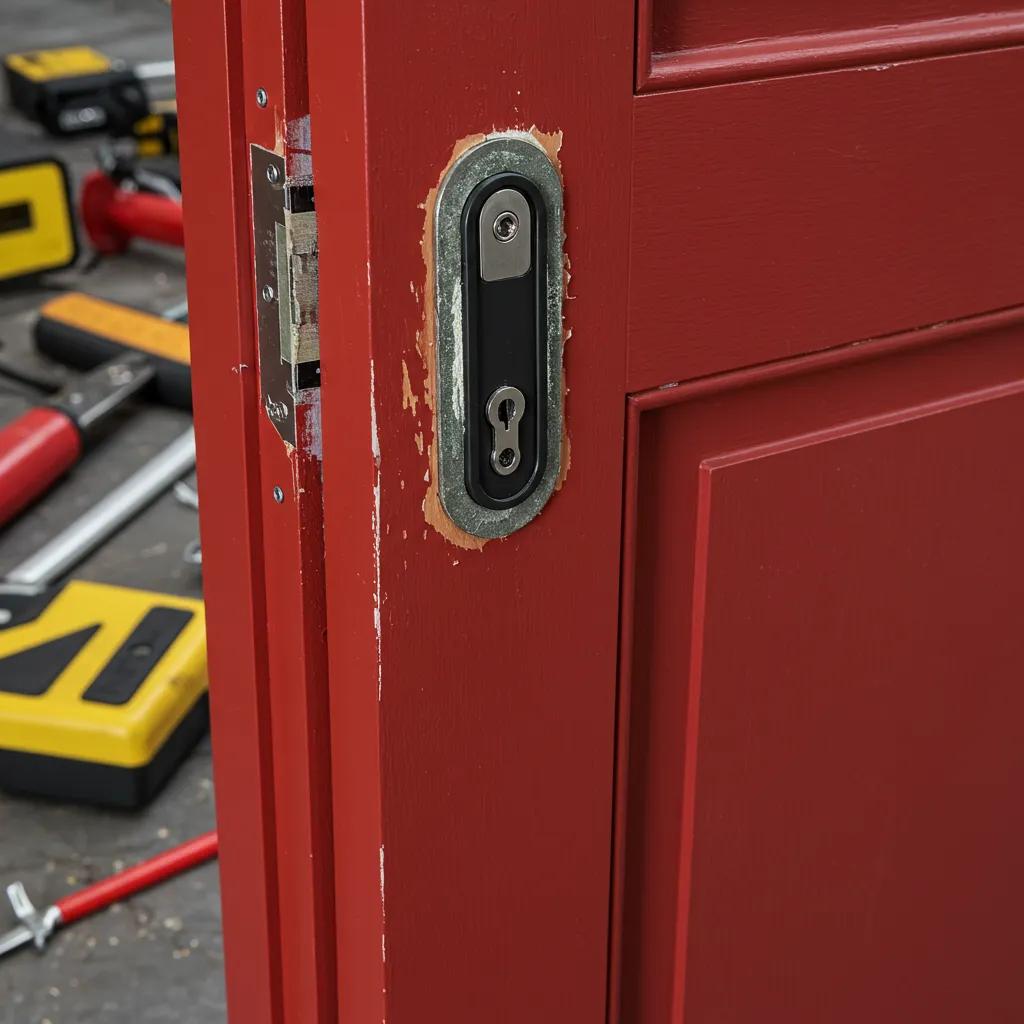
Inspections in Miami frequently uncover a predictable set of deficiencies that affect fire‑resistance and smoke control. Common issues include missing or illegible labels, broken or absent hardware (closers, latch parts), improperly installed or missing intumescent and smoke seals, excessive clearances at the head or jamb, and unapproved field modifications like added glazing or penetrations. Each deficiency creates a path for fire or smoke to bypass the assembly or a mechanical failure that prevents containment during an emergency, increasing safety and compliance risk. Knowing these typical problems helps facility managers prioritize preventive maintenance and repairs, and it clarifies how qualified service providers identify, document, and resolve them.
Here are the most frequent findings and why they matter.
- Missing or Illegible Fire Door Labels: Removes the main proof of listing and rating during inspections.
- Faulty Hardware (Closers, Latches): Stops reliable self‑closing and positive latching, undermining containment performance.
- Damaged or Missing Seals: Lets smoke and hot gases bypass the assembly, reducing effectiveness.
- Improper Clearances or Field Modifications: Can void the listing and create non‑compliant conditions.
Fixing these common deficiencies reduces risk and speeds AHJ sign‑off.
How Does Oratso Corp Identify and Repair Fire Door Deficiencies?
Oratso Corp performs structured fire door inspections starting with a full on‑site assessment, followed by a photographic deficiency report, prioritized repair recommendations, and an implementation plan that aligns with NFPA 80 and local code expectations. Our workflow tests door function (self‑closing, latching), verifies label data, measures clearances, inspects seals and hardware, and documents any field modifications that must be reversed or mitigated. The process ends with repairs that return the assembly to its listed condition. Oratso Corp provides inspection, repair, and certification support across South Florida and the Caribbean, and offers free estimates and expert consultations to help facility managers budget and schedule corrective work. This integrated approach moves facilities from identified deficiencies to certified repairs and re‑inspection efficiently.
What Preventative Maintenance Practices Ensure Ongoing Fire Door Compliance?
A proactive maintenance program cuts the chance of failed inspections by combining routine on‑site checks, scheduled professional service, and disciplined recordkeeping. Monthly staff checks should confirm basic function — doors close from full open, latch securely, and seals are intact — while quarterly or semi‑annual professional checks address adjustments, lubrication, and seal replacement before failure. Keep a searchable maintenance log with dates, findings, repairs, and part replacements so AHJ reviews and insurance audits can be satisfied quickly. Regular maintenance and good documentation also lower emergency repair costs and support lifecycle planning for replacements.
How Do Miami Facilities Achieve Fire Door Certification and Labeling Compliance?
Certifying a fire door in Miami means confirming the installed assembly matches its listed configuration, ensuring labels are present and legible, and making repairs or replacements with materials and hardware compatible with the original listing or an approved retrofit. The typical certification sequence is an initial inspection, documented repairs, a re‑inspection by a certified inspector, and submission of records to the AHJ when required. Labels convey essential data — fire‑resistance rating, listing agency, manufacturer, and assembly configuration — and are central to proving compliance during inspections. Proper documentation and label management reduce friction with AHJs and provide the evidentiary trail insurers expect.
The mini table below summarizes common label types and what they tell you so facility managers can interpret nameplate data quickly during inspections.
Understanding labels helps prioritize recertification steps and ensures replacement hardware is compatible with the listed configuration.
Why Is Fire Door Labeling Important for Miami Compliance?
Fire door labels are the primary evidence inspectors use to verify a door assembly is listed and that the tested configuration matches the installed condition. If labels are missing or altered, verifying compliance becomes difficult or impossible. A compliant label shows the fire‑resistance rating, listing agency, model or part references, and sometimes installation orientation; inspectors compare that information to the assembly and manufacturer instructions to judge acceptability. Replacing a label often requires re‑verification of conformity to the listing or formal recertification if the original listing can’t be confirmed, which creates added administrative and material costs. Preserve label legibility and retain manufacturer documentation to avoid recertification complexity.
What Is the Fire Door Recertification Process in Miami?
Recertification typically follows this path: conduct a thorough inspection, document deficiencies, perform repairs using listed‑compatible materials, then obtain a re‑inspection and formal verification from a certified inspector or the AHJ when needed. Recertification deliverables usually include an updated inspection report with photos, replacement or restored labels where allowed, and written confirmation that the assembly meets its original listing or an approved equivalent. Oratso Corp assists by preparing documentation, performing code‑compliant repairs (including label replacement when permitted), and coordinating re‑inspection to streamline AHJ sign‑off. Completing recertification restores confidence that the door will perform in a fire and preserves the building’s life‑safety posture.
What Types of Fire Rated Doors Are Installed for Miami Facilities?
Miami facilities commonly use several fire‑rated door types: steel (metal) doors, wood doors, and hurricane‑rated fire assemblies. They differ by material, fire‑resistance capability, and suitability for coastal exposures. Selecting the right door balances fire‑resistance rating, durability in humid and salt‑air conditions, compatibility with glazing and hardware, and whether the assembly requires a Miami‑Dade NOA for wind and impact. Installation details — anchors, frame reinforcement, and approved glazing configurations — directly affect whether a door maintains both fire and hurricane ratings. The comparison table below clarifies materials, typical rating ranges, and common uses to guide procurement and maintenance decisions.
The table compares major door types used in Miami facilities for quick reference.
This comparison helps facility managers weigh durability and regulatory requirements when specifying replacements or upgrades.
What Are the Differences Between Metal, Wood, and Hurricane‑Rated Fire Doors?
Metal doors offer strong durability, higher available fire ratings, and simpler maintenance in coastal environments. Wood doors give aesthetic flexibility but generally have lower ratings and are more sensitive to humidity. Hurricane‑rated fire doors combine structural reinforcement, impact‑rated glazing, and specific fastening details per Miami‑Dade NOA to resist windborne debris while maintaining fire performance; selecting these requires close coordination among the door manufacturer, NOA conditions, and the installer. Costs, maintenance needs, and expected lifespans vary by material — metal doors are often preferred in high‑traffic corridors, while hurricane‑rated assemblies are required where external exposure exists. Understanding these trade‑offs helps align procurement with code and lifecycle maintenance planning.
How Does Fire‑Rated Door Installation Meet Miami‑Dade Hurricane and Fire Codes?
To meet both fire and hurricane requirements, installations must follow the door listing, manufacturer instructions, and any NOA conditions that specify anchoring, reinforcement, and approved glazing. Deviations can void both fire and wind ratings. Installers should use tested hardware and anchoring methods, document adherence to NOA details when applicable, and ensure tolerances — such as gap sizes and frame straightness — stay within listed limits that preserve the fire rating. Post‑installation inspection and documentation are critical: an inspector will verify the installed assembly matches the tested configuration, the label is present and legible, and anchorage meets NOA and structural expectations. Tight coordination among manufacturer, installer, and inspector reduces non‑compliance risk and helps ensure assemblies perform during both fire and hurricane events.
How Can Miami Facility Managers Prepare for Fire Door Compliance Inspections?
Preparing for an inspection starts with a practical checklist, consistent documentation, and a proactive maintenance plan so inspections become routine instead of reactive. Facility managers should keep an inspection and maintenance log, schedule annual certified inspections, plan immediate post‑storm reviews, and train on‑site staff to perform monthly basic checks such as self‑closing tests and seal condition verification. Prioritized preparation reduces downtime and cost, improves AHJ outcomes, and helps integrate fire door care into broader life‑safety programs. The essential steps checklist below is ready for teams to adopt immediately to streamline compliance and cut corrective work.
Use this prioritized checklist to ready your facility and team before an inspection.
- Immediate Pre‑Inspection Tasks: Clear obstructions, verify door swing and self‑closing operation, and make labels visible.
- Routine Tasks: Clean and inspect intumescent seals, measure clearances, and test latching monthly with logged results.
- Professional Tasks: Schedule annual certified inspections, perform recommended repairs promptly, and document all corrective actions.
Following these steps makes inspections predictable and positions the facility for smoother AHJ interactions.
What Are the Essential Steps in a Miami Fire Safety Checklist for Fire Doors?
Start with monthly actions any staff member can perform — verify doors close from full open, confirm positive latching, and ensure seals and thresholds are free of debris — and record results in a maintenance log. Quarterly professional checks should verify hardware torque settings, closer adjustment, seal compression tolerances, and label legibility; schedule repairs identified during these checks promptly to avoid larger problems. For buildings in hurricane zones, include a post‑storm inspection of anchors, glazing, and frames; keep photos and repair invoices as part of the record. Teams that follow scheduled checks reduce annual inspection failures and simplify any required recertification work.
Oratso Corp supports facility managers with expert consultations, free estimates, and scheduling for inspections and repairs to help implement and maintain this checklist efficiently.
How Does Proactive Compliance Planning Benefit Miami Facilities?
Proactive compliance planning lowers emergency repair costs, shortens downtime during mandatory inspections, and improves occupant safety by keeping assemblies ready to perform. It also strengthens a facility’s standing with insurers by documenting routine maintenance. Planned upkeep extends the useful life of doors and hardware, reduces total lifecycle costs, and lowers the chance that field modifications will trigger costly recertification. From a regulatory perspective, clear inspection histories and prompt corrective actions smooth AHJ interactions and can reduce the risk of fines. A combined program of staff checks, scheduled professional inspections, and timely repairs builds resilience against fire and hurricane impacts while optimizing maintenance budgets.
Frequently Asked Questions
What are the consequences of non-compliance with fire door regulations in Miami?
Non‑compliance can lead to significant penalties: fines, increased liability after an incident, and possible insurance disputes. Facilities may face operational interruptions for mandated repairs or reinspections, and a failure to maintain standards can put occupants at risk. In some cases, loss of certification or formal enforcement actions can follow, so maintaining compliance is essential to protect people, assets, and business continuity.
How can facility managers ensure their fire doors are hurricane-rated?
Confirm hurricane rating by checking for Miami‑Dade NOA (Notice of Acceptance) documentation and NOA‑specific labeling. Verify the manufacturer’s certification and that the installation follows NOA anchoring and reinforcement details. Regular inspections and maintenance should also focus on the assembly’s integrity so it can withstand hurricane forces while retaining its fire‑safety performance.
What documentation is required for fire door inspections in Miami?
Inspection documentation typically includes a detailed report for each door outlining condition, deficiencies, and recommended corrective actions, along with photographic evidence. Maintain records of prior inspections, maintenance logs, and manufacturer documentation to demonstrate compliance with local codes. These materials are often required for AHJ review and are valuable during insurance audits or claims.
What role do fire door labels play in compliance checks?
Fire door labels are the primary evidence inspectors use to confirm a door’s rating, manufacturer, and listing agency. Inspectors use labels to verify the assembly matches the tested configuration and hasn’t been altered in ways that compromise performance. Missing or illegible labels commonly trigger non‑compliance findings and can require recertification steps, so preserving label integrity is critical.
How can facility managers prepare for a fire door inspection?
Prepare by running a pre‑inspection checklist: confirm doors function properly, make labels visible, and remove obstructions. Keep recent maintenance records and address known issues before the inspector arrives. Train staff to perform monthly checks on door operation and seals, schedule annual certified inspections, and keep all documentation organized to streamline AHJ interactions.
What are the best practices for maintaining fire doors in Miami facilities?
Best practices include a proactive maintenance schedule with monthly staff checks for functionality and seal condition, quarterly or semi‑annual professional inspections for adjustments and wear, and detailed maintenance logs that record dates, findings, and corrective actions. Use listed‑compatible materials for repairs and document any modifications to preserve the door’s listing and simplify inspections.
What should be done if a fire door is found to be non-compliant during an inspection?
If a door is non‑compliant, take corrective actions immediately: repair or replace damaged components, restore seals, and verify labeling. After repairs, schedule a re‑inspection by a certified inspector to confirm compliance. Keep detailed records of all actions taken to show due diligence to the AHJ and your insurer.