
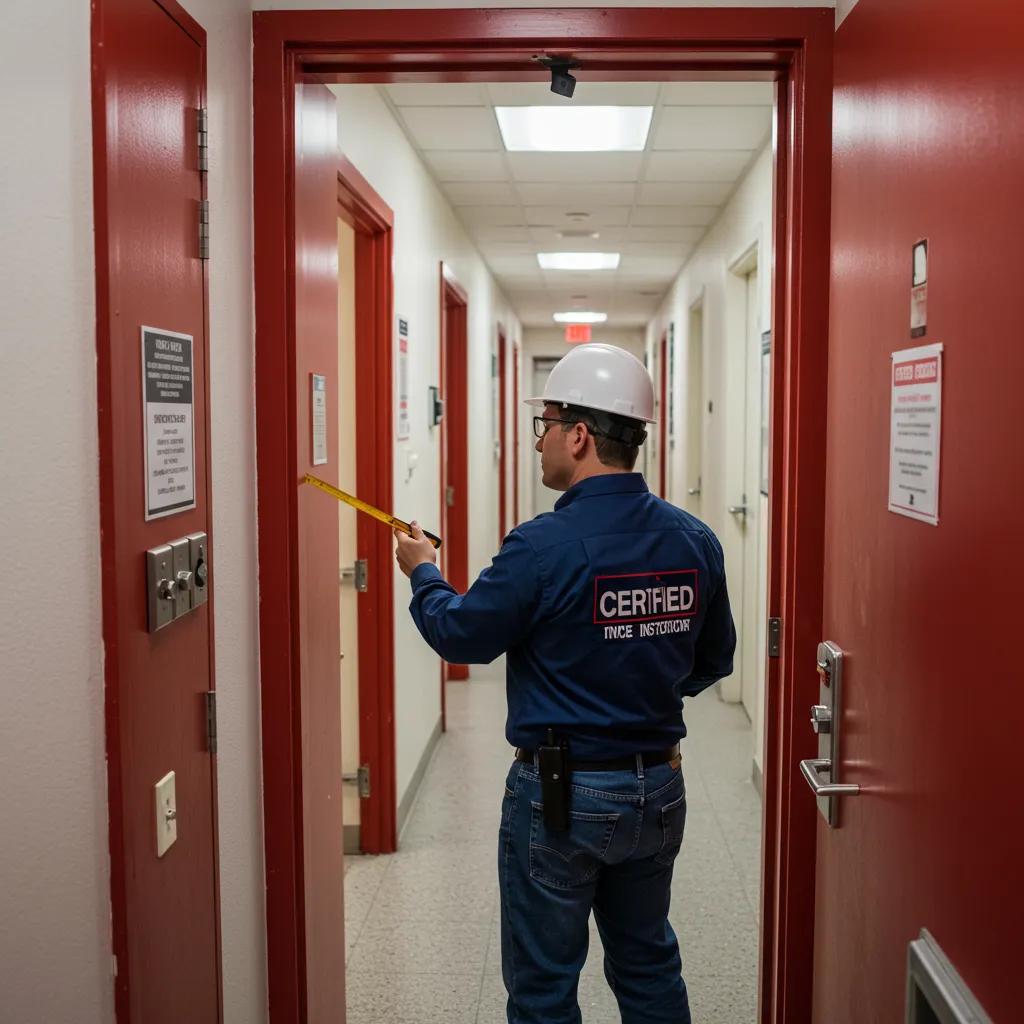
Essential Local Fire Door Inspection Services in Miami
Ensuring Fire Door Safety and Compliance in Miami
Fire door inspections are a focused life-safety service that evaluates fire-rated door assemblies to confirm they will perform in a fire, protect evacuation routes, and meet Miami and South Florida regulatory requirements. This guide explains what a compliant inspection looks like, why NFPA 80 and Miami‑Dade rules matter, and how building owners can prepare for annual reviews while keeping occupants and property safe. You’ll find the core inspection elements—labels, hardware, clearances, seals, and self‑closing devices—the common deficiencies we see in Miami, and practical remediation options such as repair, relabeling, and replacement. We also outline the certified inspector’s workflow, explain how documentation supports Authority Having Jurisdiction (AHJ) approval, and give cost ranges and sector-specific checklists for commercial, residential, and other facilities. Finally, we describe how Oratso Corp helps building managers with inspection reports, remediation plans, and integrated services to simplify compliance. Read on for a clear, Miami-focused overview of inspection basics, the certified process, complementary services, audience needs, and quick answers to common questions.
What Are Fire Door Inspections and Why Are They Critical in Miami?
A fire door inspection reviews the entire door assembly—door leaf, frame, hardware, seals and label—to verify its fire-resistance integrity, correct labeling, and functional hardware and clearances. Inspectors confirm the installed assembly matches the tested configuration and that all components operate correctly in daily use. In Miami this work is especially important because local enforcement commonly references NFPA 80 annual checks and Miami‑Dade NOA considerations, and the coastal climate accelerates wear that can degrade seals and hardware. Building owners who neglect assemblies increase risk to occupants, invite AHJ fines, and may face insurance complications after a loss. The sections that follow define a fire door, explain ratings and components, and summarize why annual inspections are mandated.
Fire doors are complete assemblies built to contain fire and protect egress. Here are three key reasons inspections matter in Miami:
- Life-safety protection: Proper assemblies slow fire spread and protect evacuation routes.
- Code compliance: NFPA 80 and local AHJs require regular documentation and maintenance.
- Property resilience: Inspections uncover climate-accelerated wear and hurricane-related vulnerabilities.
These points show why routine inspection, repair, and documentation are essential for Miami property managers and facility teams. The next section defines fire door ratings and assembly components in more detail.
What Defines a Fire Door and Its Fire Resistance Rating?
A fire door is the complete tested assembly: door leaf, frame, hardware, seals and label. Assemblies are tested together and given a time-based rating—common values are 20, 45, 60, 90 and 180 minutes—which indicates how long the assembly resists flame passage under standard test conditions. The label on the frame or door edge identifies the listing agency, rating, door type and the specific components required to preserve the tested assembly. Inspectors confirm the installed assembly matches the labeled configuration and that critical components—like intumescent seals and self‑closing devices—are present and working. Clear photo documentation of the label and assembly condition helps AHJs verify compliance after installations or modifications.
Why Are Annual Fire Door Inspections Required by NFPA 80 and Local Codes?
NFPA 80 calls for periodic examination, testing and maintenance—typically annually—to confirm fire door assemblies will function in a fire. Inspectors look for common deficiencies such as missing or unreadable labels, excessive clearances at bottoms or heads, damaged or missing intumescent seals, non‑functional closers, and hardware that no longer matches the tested assembly. Miami AHJs enforce these rules through plan review, site inspections and documentation requests; they expect recorded findings and follow-up actions that show ongoing compliance. Regular inspections lower the risk of assembly failure and provide a paper trail managers can present to inspectors or insurers to demonstrate due diligence. Knowing what inspectors check and addressing issues promptly reduces re-inspection time and cost.
NFPA Compliance and Infrastructure Resilience: A Systematic Review
Across multiple studies, disciplined inspection, testing and maintenance tied to NFPA-compliant systems consistently correlated with better life-safety outcomes—higher odds of fire confinement, fewer injuries and reduced losses—especially when systems were paired and routinely verified.
How Does Oratso Corp Conduct Certified Fire Door Inspections in Miami?
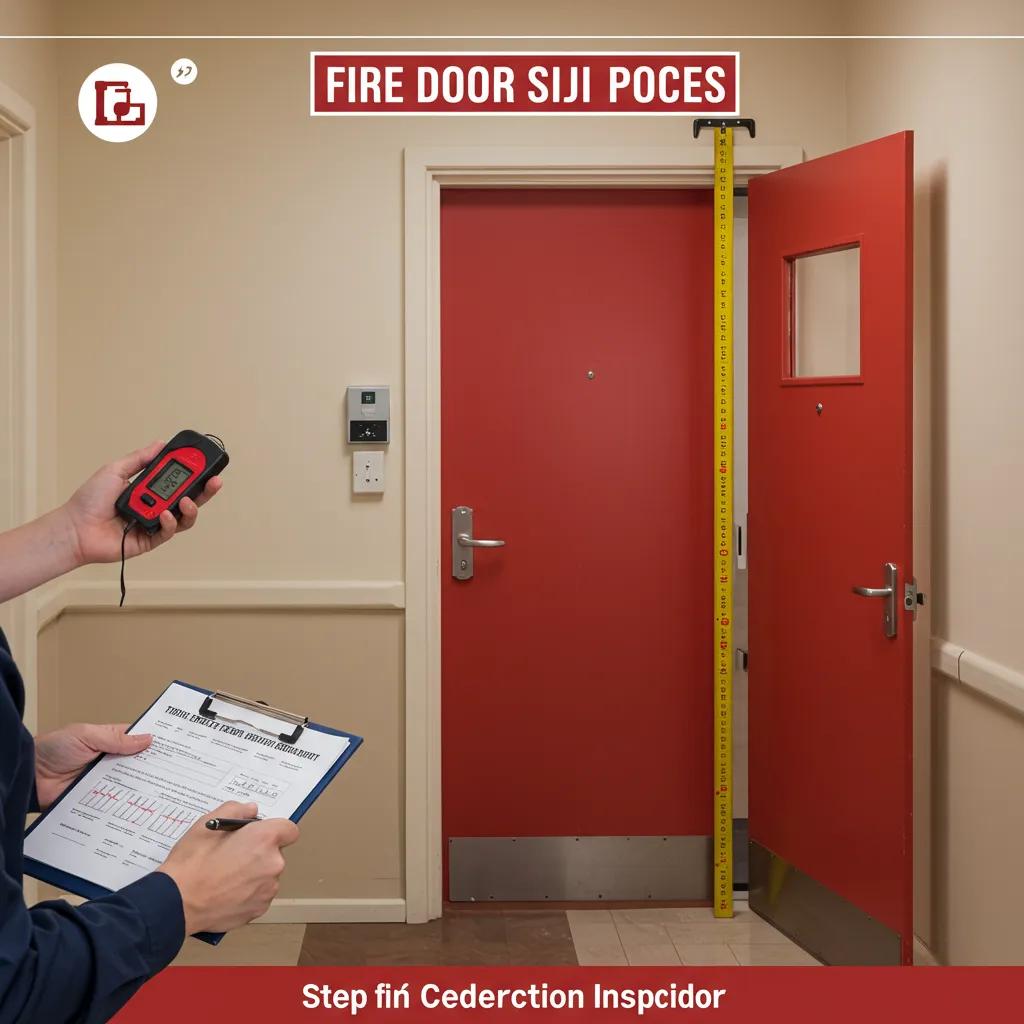
Below we outline a certified inspection workflow aligned with NFPA 80, describe typical credentials, and list the deliverables inspectors provide to support AHJ reviews and remediation planning. The process follows a clear sequence—intake, onsite verification, functional testing, documentation, prioritized remediation and final labeling—creating an auditable path from discovery to corrective action. Certified inspectors use calibrated measurements and industry checklists to confirm clearances, hardware function and label integrity, then produce a report that links each deficiency to a recommended repair and urgency level. Oratso Corp offers certified inspections, field labeling where applicable, and repair or relabeling services to resolve defects found during the visit. The next section breaks this workflow into concrete steps for clarity and featured‑snippet readiness.
Before the step-by-step list, the table below shows the compact inspection checklist we use to evaluate door assemblies and produce AHJ-ready reports for building owners.
This table groups the core inspection items and expected checks. Organizing documentation around these attributes helps inspectors produce reports AHJs accept and gives facility teams a prioritized repair roadmap.
What Are the Key Steps in Oratso Corp’s Fire Door Inspection Process?
Oratso Corp follows a clear, numbered workflow that mirrors NFPA 80 and supports AHJ acceptance.
- Intake & scheduling: capture building type, number of assemblies and existing documentation to scope time and access.
- Onsite visual inspection: photograph and record labels, hardware, frames and visible seals, and take measurements tied to checklist items.
- Functional testing: verify self‑closing action, latch engagement and panic hardware performance under normal conditions.
- Reporting: compile findings into a structured report that lists deficiencies, assigns severity and maps required repairs to tested components.
- Remediation planning: provide prioritized recommendations and coordinate field labeling or repairs to restore compliance.
- Follow-up verification: confirm corrections and issue final notes suitable for AHJ submission.
This stepwise approach produces transparent, actionable outputs: a prioritized deficiency list, a repair plan, and documentation ready for the Authority Having Jurisdiction. The subsection below explains how certified inspector credentials support these tasks.
How Do Certified Fire + Egress Door Assembly Inspectors Ensure Compliance?
Certified inspectors—those with recognized credentials in fire and egress door assembly inspection—use standardized techniques, calibrated tools and industry checklists to validate assemblies against NFPA 80 and AHJ expectations. Tests commonly include gap measurement with feeler gauges, closing-time checks, latch engagement under hold‑open conditions, and inspection of intumescent seals for continuity. Every result is recorded and photographed to create clear evidence. Certification signals training in assembly testing, labeling rules and documentation formats AHJs expect, which shortens review cycles. Inspectors also coordinate with testing labs or certifying bodies when relabeling or performance verification is needed, ensuring field labeling and paperwork follow accepted protocols. This evidence-based approach helps building owners present a defensible compliance record to local authorities.
What Fire Door Services Complement Inspections in Miami?
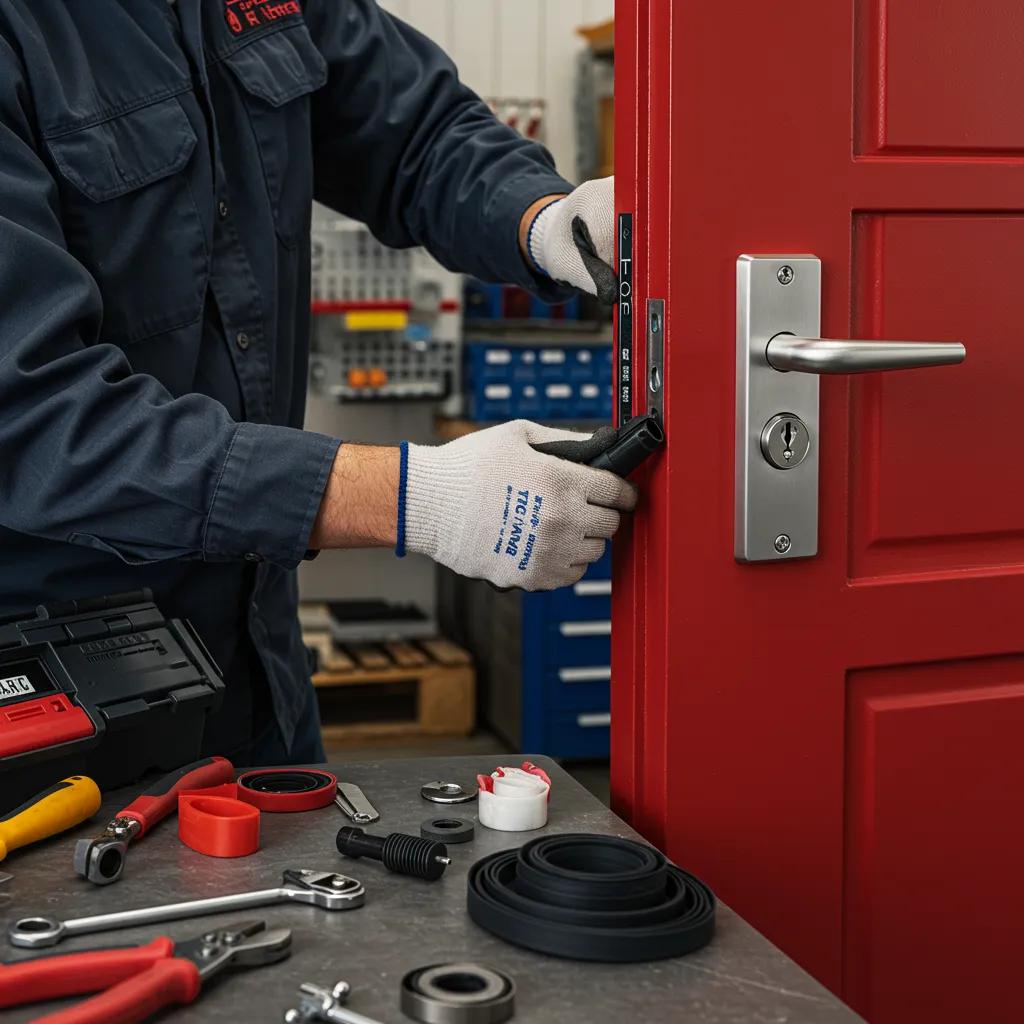
Inspections commonly identify issues that require follow-up services. The most frequent complementary offerings are repair, relabeling and replacement. Repairs fix functional hardware problems and seal or frame issues that undermine the tested assembly. Relabeling restores traceability when labels are missing or unreadable and the assembly can be validated. Replacement is needed when components don’t match a tested configuration or damage exceeds repair limits. Integrated providers move properties from discovery to corrective action faster, reducing occupant downtime and simplifying AHJ coordination.
The table below maps common services to typical findings and outcomes:
Choosing the right remedy depends on severity, cost and AHJ acceptance. The next sections explain repair benefits and relabeling processes in practical terms.
How Does Fire Door Repair and Maintenance Extend Door Longevity?
Timely repair and preventive maintenance stop small issues from becoming failures, preserve the tested assembly and extend service life. Common fixes—adjusting closers, replacing intumescent seals, tightening or replacing hinges and correcting latch alignment—often restore performance at a fraction of replacement cost. Routine maintenance—lubrication, seal checks and operational tests—reduces the number of major deficiencies found during annual NFPA 80 inspections and lowers total cost of ownership. For building managers, a planned maintenance program creates predictable budgets, fewer emergencies and steady AHJ compliance.
What Is the Fire Door Relabeling and Certification Process?
Relabeling is required when a label is missing, unreadable or the installed configuration no longer matches the label. The process starts with an inspector documenting the current assembly and checking whether components match a listed configuration. If they do, a field label may be applied following correct procedures and documentation. If the assembly cannot be verified or has been modified beyond the listed configuration, lab testing or replacement may be necessary before issuing a new label. Proper relabeling restores traceability and gives AHJs confidence the door meets its claimed fire-resistance rating.
Who Needs Fire Door Inspection Services in Miami and South Florida?
Fire door inspections are important for commercial property owners, condominium associations, multi‑family building managers, healthcare facilities, schools and hospitality operators. Each group has different priorities: commercial properties often require strict record‑keeping and frequent AHJ scrutiny; condos and multi‑family buildings must coordinate resident access to complete annual inspections; and specialized sectors like healthcare and education have stricter compartmentalization and egress requirements that call for more detailed checklists. Understanding these differences helps providers tailor scope, documentation and remediation to minimize disruption and ensure AHJ acceptance.
Common audiences that should schedule inspections include:
- Commercial buildings: retail, office and industrial properties with multiple fire assemblies.
- Residential multi‑family / condominiums: shared egress paths and common doors requiring annual oversight.
- Healthcare, education, hospitality: sectors with specific requirements that demand frequent verification.
These audience distinctions shape inspection scope and reporting detail; the next subsection contrasts commercial and residential needs more directly.
What Are the Inspection Needs for Commercial vs. Residential Properties?
Commercial properties usually have more assemblies, more complex hardware and greater AHJ documentation expectations, so reports are more detailed and record‑keeping is systematic. Inspections on commercial sites often cover dozens or hundreds of doors, must be scheduled around operations, and prioritize assemblies that protect high‑occupancy egress paths. Residential situations vary: single‑family homes rarely have fire‑rated assemblies, while multi‑family and condominium buildings typically include fire doors at corridor entries, stair enclosures and unit entries that require annual inspection and logs. Scale, access logistics and documentation needs drive inspection planning, costs and timelines.
How Do Industry-Specific Requirements Affect Fire Door Inspections?
Industry rules influence inspection criteria and remediation choices. Healthcare facilities emphasize compartmentalization and continuous egress for patient movement; schools prioritize quick evacuation of large occupant loads; hospitality operations require durable hardware for high traffic. These contexts determine which assemblies are prioritized, how often functional testing is performed, and the level of documentation AHJs will expect. Inspectors experienced in these sectors use tailored checklists and coordinate with facility engineers to ensure fire door performance integrates with broader life‑safety systems and operational needs.
What Are the Benefits of Choosing Oratso Corp for Fire Door Inspections in Miami?
Working with a local, integrated provider reduces friction between inspection findings and corrective work by consolidating inspection, reporting, repair, relabeling and installation under one vendor. Oratso Corp is a licensed and insured local provider offering these end‑to‑end services in Miami and South Florida. We produce NFPA 80‑aligned reports, assist with Miami‑Dade NOA verification, and recommend hurricane‑resistant solutions when assemblies face coastal exposure. Practical benefits for building managers include fewer scheduling handoffs, AHJ‑ready documentation, and prioritized follow‑up services based on inspection severity.
Key advantages of a single‑vendor, local approach:
- End-to-end workflow: from inspection through repair and relabeling to reduce delays and rework.
- AHJ-ready documentation: structured reports and photos that support approvals.
- Local Miami expertise: familiarity with Miami‑Dade NOA rules and climate impacts.
These benefits speed compliance cycles, simplify remediation planning and cut administrative burden for property teams. The following sections describe how Oratso Corp aligns methods with NFPA 80 and customer needs.
How Does Oratso Corp Ensure NFPA 80 and Miami-Dade NOA Compliance?
Oratso Corp follows NFPA 80 checklists and verifies Miami‑Dade NOA applicability by confirming listing data and assessing components for hurricane exposure where relevant. Inspectors use structured checklists tied to NFPA 80 clauses, photograph label evidence, and prepare reports that map findings to code requirements and recommended corrective actions. When relabeling applies, we document the chain of evidence and any lab coordination needed to restore traceability. Reports are prepared in formats AHJs recognize to reduce back‑and‑forth and re‑inspection time. These procedures create defensible compliance records for building owners and managers.
What Customer Advantages Come with Oratso Corp’s Fire Door Services?
Clients gain practical advantages from a single local provider who understands enforcement nuances and coordinates repairs and relabeling to resolve inspection findings quickly. Our Miami focus lets us prioritize corrosion, seal degradation and hurricane‑related vulnerabilities in recommendations, lowering the risk of repeat failures in coastal properties. Customers also benefit from consolidated invoicing, streamlined scheduling and inspection reports formatted for AHJ submission. Integrated services deliver better lifecycle outcomes for fire assemblies and lower total cost of ownership.
What Are the Most Common Questions About Fire Door Inspections in Miami?
This section answers the most common questions property managers ask about frequency, cost, mandates and qualified inspectors. Each concise answer is written for quick use in FAQs and search features, followed by a short expansion outlining practical variables that affect decisions.
How Often Should Fire Doors Be Inspected in Miami?
Annual inspections are the baseline under NFPA 80 and Miami AHJs typically expect documentation proving assemblies receive this verification. Beyond the annual check, interim inspections are recommended after renovations, hurricanes or other events that could affect hardware or seals. Many facilities add quarterly or semi‑annual functional checks for high‑traffic doors. Regular checks plus prompt repairs reduce the chance of failing the annual inspection and cut re‑inspection costs.
What Is the Typical Cost of Fire Door Inspection Services in Miami?
Inspection-only costs vary by door count, site access complexity and report detail. Single-door inspections cost more per door, while bulk inspections lower the per-door rate through economies of scale. Cost drivers include total doors, travel and access logistics, photographic documentation needs, and whether field labeling or repairs are done during the visit. Inspection-plus-repair quotes reflect parts and labor and are often offered as bundled estimates to simplify budgeting. The table below shows typical ranges and variables.
These ranges show how scope and corrective needs shape price. Requesting a bundled estimate that includes inspection, prioritized repairs and relabeling often reduces project administration and speeds AHJ acceptance.
Are Fire Doors Mandatory in Miami Residential Buildings?
Requirements depend on building type and occupancy. Many multi‑family and condominium buildings require fire‑rated doors at unit entries, corridor separations and stairwell enclosures under local codes, while single‑family homes seldom need fire assemblies. Where shared egress or vertical shafts exist—common in condos and multi‑family housing—fire doors are typically required to maintain compartmentalization and protect evacuation routes. Building managers should review project documentation and schedule inspections for assemblies that affect common egress and public safety; well‑maintained assemblies reduce risk and support insurance and code obligations.
Fire Protection Analysis of Sole On The Ocean Hotel in Miami
This analysis reviews the fire protection systems at the Sole On The Ocean Hotel in Sunny Isles, Miami—a 24‑story mixed‑use building with hotel, restaurant and parking occupancies—using Florida Building Code and IBC guidance to assess life‑safety provisions and compliance.
Who Is Authorized to Perform Fire Door Inspections in Miami?
Authorized inspectors usually hold credentials from recognized organizations specializing in door and hardware inspection and demonstrate competency in NFPA 80 criteria, field measurement techniques and AHJ‑accepted documentation. Certifications show standardized methodology and training; AHJs prefer inspectors who deliver clear, photo‑supported reports and understand relabeling protocols. Choose inspectors who provide detailed deliverables and can coordinate follow‑up repairs or relabeling to preserve and document the assembly’s tested configuration.
This guide has offered a practical, Miami‑focused overview of inspection fundamentals, certified workflows, complementary services, audience needs and common questions to help property managers meet NFPA 80 and local requirements while protecting occupants and assets.
Frequently Asked Questions
What Are the Consequences of Failing a Fire Door Inspection?
Failing an inspection can have serious consequences: AHJ fines, increased liability in the event of a fire, and potential insurance complications. More importantly, non‑functional fire doors put occupants at higher risk during an emergency. Address deficiencies promptly to reduce exposure and restore compliance.
How Can Building Owners Prepare for a Fire Door Inspection?
Prepare by doing a pre‑inspection walk‑through: check for visible damage, make sure labels are legible, and confirm hardware functions. Keep access to doors clear and have previous inspection reports and maintenance records available. A preliminary assessment by a certified inspector can uncover issues before the official inspection.
What Should Be Included in a Fire Door Inspection Report?
A complete report should list findings for each door assembly, noting label condition, hardware, seals and clearances. It should document deficiencies, assign severity, and recommend remediation. Photographs that support each finding are essential for AHJ review. The report should also state the inspector’s credentials and the inspection methodology used.
Are There Specific Regulations for Fire Doors in Healthcare Facilities?
Yes. Healthcare facilities have specific fire door requirements because patient safety and uninterrupted egress are critical. Inspections focus on NFPA 80 compliance plus any additional local health and safety guidance. Regular inspections and maintenance are vital to ensure these doors perform when needed.
What Role Do Fire Doors Play in Hurricane‑Prone Areas Like Miami?
In hurricane‑prone regions such as Miami, fire doors often serve a dual role: fire containment and resistance to wind and water intrusion. Where applicable, doors must meet both fire‑resistance and wind‑load criteria. Building codes may require specific standards, making regular inspection and maintenance even more important in coastal properties.
How Can Property Managers Ensure Continuous Compliance with Fire Door Regulations?
Maintain a proactive inspection and maintenance program: conduct annual NFPA 80 inspections, address deficiencies quickly, and keep detailed records of inspections and repairs. Stay current on local code changes and work with certified inspectors for regular assessments to help maintain compliance and occupant safety.
What Are the Benefits of Using a Local Provider for Fire Door Inspections?
Local providers bring familiarity with Miami codes, faster response times and services tailored to regional challenges like corrosion and hurricane exposure. They often have working relationships with AHJs that streamline approvals and can offer integrated services—inspections, repairs and relabeling—to simplify the compliance process and reduce administrative work for property managers.