
Secure Commercial Doors: Expert Installation & Compliance Services
Unlocking Miami's Commercial Door Solutions: Oratso's Expertise
Oratso Corporation provides professional commercial door installation services in Miami for businesses seeking durable, code-compliant, and secure entry systems tailored to South Florida conditions. This article explains the types of commercial doors available, how installations meet local building codes, the step-by-step installation workflow, recommended hardware and access control systems, repair and maintenance services, and cost drivers so facility managers can make informed decisions. Many Miami businesses face hazards from hurricanes, corrosive coastal air, and strict fire safety regulations; choosing the right door system mitigates risk and reduces long-term operational costs. Readers will learn how door selection affects security, energy efficiency, and compliance, and how a professional installation process reduces downtime and liability for commercial properties. The following sections cover door types and comparisons, compliance checklists, the Oratso installation process, hardware and access control options, repair and preventative maintenance strategies, and pricing plus free estimate options for commercial door projects in Miami.
What Types of Commercial Doors Does Oratso Corporation Install in Miami?
Commercial doors for businesses range from hollow metal security doors to glazed storefront systems, automatic operators, hurricane-rated impact doors, and fire-rated assemblies designed to compartmentalize hazards. Each door type functions by combining material selection, frame design, and hardware to deliver specific performance—security, thermal efficiency, impact resistance, or fire containment—so choosing the right category aligns performance with application. Understanding these functional distinctions helps property managers select doors that meet long-term durability and regulatory needs while optimizing access and energy performance for retail, office, industrial, and healthcare facilities. The table below compares common commercial door types, materials, and typical use cases to simplify selection.
This comparison allows quick side-by-side evaluation of options and clarifies which door types best match facility priorities such as security, hurricane resistance, or ADA accessibility.
Which Benefits Do Metal Doors Offer for Miami Businesses?
Hollow metal doors deliver high security and long service life because their heavy gauge steel construction resists forced entry and sustained wear. In Miami’s coastal environment, corrosion resistance is critical; specifying protective coatings or stainless steel prevents accelerated degradation from salt air, which preserves finish and structural integrity. Metal doors are also available with fire-rating options and can be fitted with robust panic hardware and reinforced frames, making them suitable for industrial, storage, and service applications where durability and safety are priorities. Facility managers concerned about ongoing maintenance should plan periodic inspections and touch-up coatings to maximize lifespan and maintain code compliance, which leads into how automatic systems can address accessibility and energy efficiency.
- Key metal door advantages include enhanced security, fire rating options, corrosion-resistant finishes, and low long-term maintenance needs.
How Do Automatic Doors Enhance Accessibility and Energy Efficiency?
Automatic doors combine sensor technology and electric operators to provide hands-free access, improving ADA compliance and customer convenience in high-traffic settings. By reducing the time a doorway remains open, automatic systems lower uncontrolled air exchange, which decreases HVAC load and improves energy efficiency—especially important for conditioned retail and office environments in Miami’s warm climate. Integration with access control systems allows automatic doors to operate securely for staff while remaining open for public access during business hours, offering operational flexibility. Properly specified operators and sensors also include safety features such as obstacle detection and emergency breakaway mechanisms, ensuring both accessibility and occupant protection.
How Does Oratso Corporation Ensure Compliance with Miami Building Codes?
Meeting Miami-Dade and local building code requirements begins with product selection that holds required certifications and continues through compliant installation, documentation, and inspection readiness. Compliance is achieved by using tested, certified products for impact resistance and fire performance, verifying manufacturer ratings, and aligning installation methods with code-approved details to maintain structural and fire separation integrity. Oratso Corporation emphasizes inspection, permitting assistance, and providing appropriate product documentation so building owners can demonstrate conformity during plan review and final inspections. The following checklist outlines common compliance steps that ensure installations satisfy local and state regulations.
- Common compliance steps include verifying product certification, ensuring proper labeling and hardware compatibility, and coordinating permits and inspections.
What Are the Requirements for Hurricane-Rated Impact Doors in Miami?
Hurricane-rated impact doors must demonstrate resistance to windborne debris and cyclic wind loads through certified testing protocols, and products typically carry Miami-Dade or ASTM test certification showing performance under designated pressure and impact conditions. Selection focuses on appropriate design pressures, glazing impact ratings, and installation methods that achieve the tested system performance; incorrect anchorage or frame modifications can void ratings and lead to code noncompliance. Practical selection advice includes choosing products with visible certification labels, confirming compatibility of hardware and glazing with the certified assembly, and planning for regular inspection after major storms. Understanding these technical requirements helps owners prioritize systems that protect property and occupants while meeting regulatory mandates.
The importance of professional inspection for hurricane mitigation features is further highlighted by research into their impact on property value.
Hurricane Mitigation Features & Professional Inspection
This paper examines the effect of hurricane mitigation features and their verification on the transaction prices of single-family homes. Some of these features are obvious to buyers and sellers (visible) and others are not easily observed (hidden). This paper contributes to the literature by examining the potentially different effects of the visible and hidden features, and the verification of each by professional inspection, on prices in an environment of incomplete and asymmetric buyer-seller information.
The impact of hurricane mitigation features and inspection information on house prices, D Gatzlaff, 2018
Why Are Fire Rated Doors Essential for Commercial Safety?
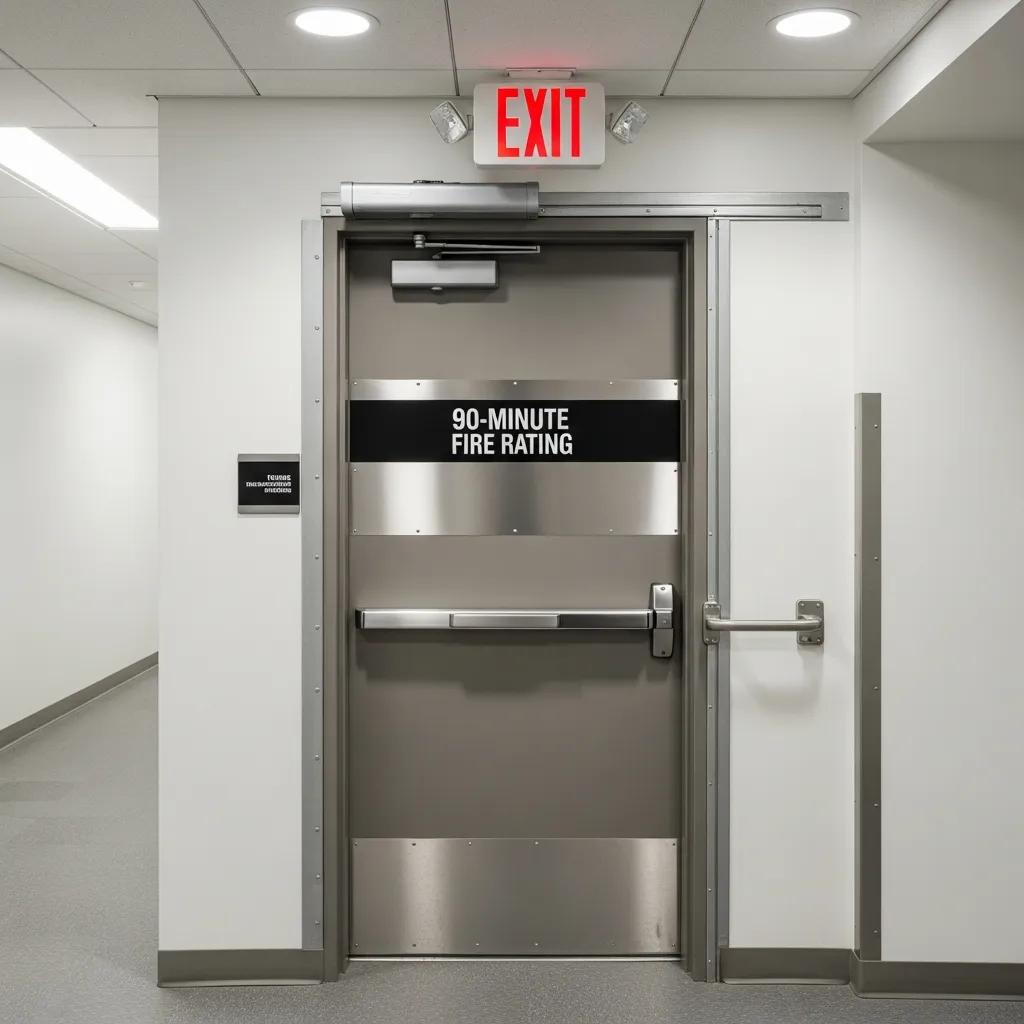
Fire-rated doors serve to compartmentalize fire and smoke, providing protected egress routes and limiting fire spread to allow safe evacuation and fire service access; their effectiveness depends on correct fire-rated construction, gasketing, and hardware that maintains the door’s integrity for the rated period. Ratings commonly range from 20 to 90 minutes and are assigned based on assembly testing; selecting the right rating requires coordination with egress design and compartmentation strategy in building plans. Routine inspection and maintenance—checking seals, closers, latches, and signage—ensure ongoing performance and regulatory compliance, and documented maintenance records support code enforcement and insurance requirements. Properly maintained fire doors reduce life-safety risk and minimize property loss, which sets the stage for a reliable installation process that enforces these protections.
Further emphasizing the critical role of fire-rated doors, comprehensive reports often detail how such systems contribute to overall building fire and life safety compliance.
Commercial Building Fire & Life Safety Compliance
This report evaluates the fire and life safety performance of the proposed building, a two- story, mixed-occupancy facility designed to serve as a civic and cultural hub. The analysis was prepared to assess compliance with the 2021 International Building Code (IBC), NFPA 13, NFPA 72, and related standards, with a particular focus on areas where occupant egress paths challenge prescriptive limitations. The project includes assembly, business, and storage occupancies, and features a large auditorium, classrooms, an exhibition hall, a restaurant, offices, and a double-height atrium.
Fire Protection and Life Safety Analysis Report, 2025
What Is the Commercial Door Installation Process with Oratso Corporation?
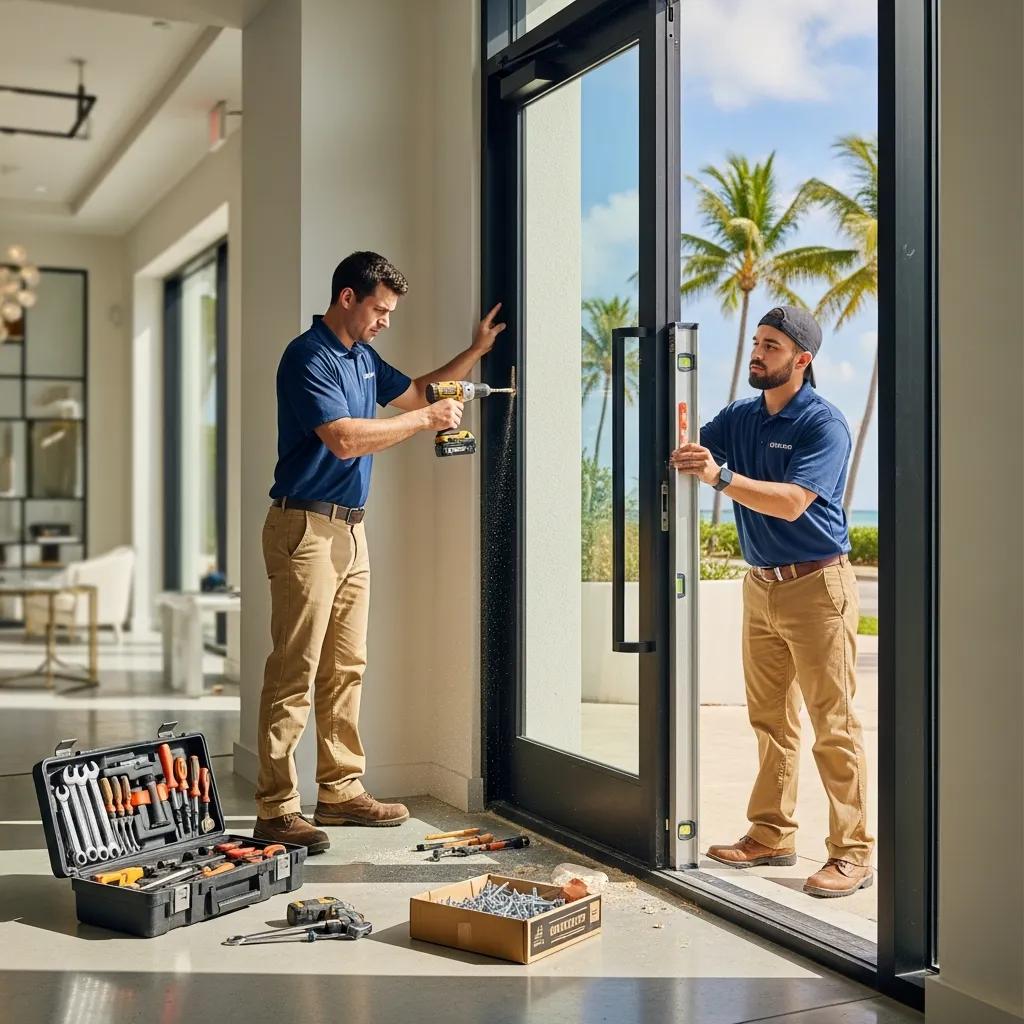
A structured installation process minimizes downtime, secures permits, and ensures systems function as designed from day one by following a predictable flow: site assessment, proposal and product selection, installation work, testing, and final inspection. Each phase clarifies responsibilities, timelines, and acceptance criteria so facility managers understand milestones and handover conditions. Oratso Corporation follows documented workflows that include pre-installation protection plans, coordination with building occupants to reduce disruption, and post-installation commissioning to confirm hardware, access control, and fire door performance. The numbered list below outlines the core process steps for clarity and to target “how it works” search queries.
- Site assessment and measurements to document openings and code constraints.
- Detailed proposal with product options, lead times, and permit handling.
- Scheduled installation, on-site protection, and coordination with trades.
- Testing, commissioning, and final inspection with documentation handover.
This stepwise approach ensures installations meet expectations and regulatory requirements, and the next subsection explains what technicians evaluate during the initial assessment phase.
How Does the Consultation and Site Assessment Work?
During a consultation and site assessment, technicians measure openings, inspect frames and surrounding construction, review code requirements and egress paths, and evaluate environmental factors like wind exposure and salt air to recommend suitable materials and coatings. The contractor collects drawings, door schedules, and any existing hardware specifications to prepare an accurate proposal and identify permit needs; clear documentation at this stage avoids surprises during installation. Clients receive a written assessment showing recommended products, performance ratings, and an estimated timeline so decision makers can compare options and budget accurately. This upfront clarity naturally leads into the detailed installation and inspection steps that complete the project.
What Are the Steps from Installation to Final Inspection?
Installation begins with site preparation and temporary protections, followed by frame setting, door leaf installation, hardware fitting, and wiring for automatic operators or access control—each activity follows manufacturer guidelines to preserve rated performance. After mechanical and electrical work, installers perform functional testing: cycle counts, closer force checks, panic hardware operation, and access control credential tests to ensure reliability and compliance. Final inspection includes documentation of installed product labels, test reports, and commissioning checklists that are provided to the building owner for records and regulator review. Completing these acceptance steps closes the project reliably and transitions into maintenance planning to protect the investment.
Which Commercial Door Hardware and Access Control Systems Are Available?
Commercial door hardware ranges from heavy-duty closers, panic devices, and high-security locks to electronic strikes and integrated access control readers that create a seamless security posture for facilities. Access control systems include card readers, keypads, biometric scanners, and cloud-managed platforms that provide audit trails, remote management, and scalable user provisioning for multi-site operations. Selecting hardware requires balancing corrosion resistance, wind loads, and operational needs in Miami’s coastal climate so components remain reliable over time. The following table helps compare common hardware and access control options by feature and integration level to assist facility managers in specifying systems that match security and environmental requirements.
This comparison clarifies how hardware choices affect both daily operation and long-term maintenance, and the next subsection examines how smart access control boosts security.
How Do Smart Access Control Systems Improve Security?
Smart access control systems centralize credential management, maintain audit trails for compliance, and allow remote locking/unlocking and scheduling to reduce physical key proliferation and strengthen security posture. These systems integrate with automatic doors and building management platforms to enforce time-based access, temporary visitor permissions, and immediate lockout in incident response scenarios. Audit logs provide forensic detail for incident investigations and support compliance reporting, while cloud-based management reduces local IT overhead for multi-site businesses. The ability to scale credentials and integrate with existing security infrastructure makes smart access control a practical choice for modern commercial properties.
What Hardware Options Support Miami’s Climate and Security Needs?
In coastal Miami, hardware with corrosion-resistant finishes, sealed electronics, and reinforced anchors withstand salt air and high wind loads while maintaining functionality and appearance. Specifying stainless steel components, marine-grade coatings, and weather-sealed access control enclosures extends service life and reduces emergency repairs after storms. Reinforced frames and impact-rated hardware keep assemblies functional during extreme events, and routine lubrication schedules preserve moving parts against abrasive salt deposits. These materials and practices lower lifecycle costs and ensure doors remain a protective element of building security and resilience.
How Can Businesses Benefit from Oratso Corporation’s Repair and Maintenance Services?
Prompt repair and regular preventative maintenance reduce downtime, extend door system lifespan, and protect compliance status by addressing wear before it becomes a failure that compromises safety or accessibility. Emergency repair services restore critical egress and secure openings after impacts or mechanical failures, while scheduled maintenance inspects closers, seals, thresholds, and operators to prevent unexpected malfunctions. Service agreements can define response SLAs, inspection cadences, and parts replacement schedules to align with facility uptime requirements and budgeting needs. The list below identifies common repair and maintenance benefits to help managers evaluate the value of professional service plans.
- Reduced emergency downtime through prioritized response and planned spare parts.
- Prolonged asset life via routine lubrication, seal replacement, and hardware adjustment.
- Enhanced code compliance and documentation through scheduled inspections and records.
These benefits translate into lower total cost of ownership for door systems and lead into the specific issues technicians address during repairs.
What Common Commercial Door Issues Are Addressed?
Technicians commonly resolve misalignment, worn hinges and closers, failing automatic operators, damaged seals, and impact damage, each of which degrades performance and can create safety or energy-efficiency problems. Rapid diagnostics typically identify root causes—such as foundation settling affecting frame alignment or seized bearings in closers—so repairs can be correctly scoped to prevent repeat failures. Emergency repairs focus on restoring secure locking and egress capabilities, while planned interventions replace components before catastrophic failure, preserving business operations. Recognizing common symptoms early helps building teams prioritize service calls and limit long-term repair costs.
How Does Preventative Maintenance Extend Door Lifespan?
A preventative maintenance program includes scheduled inspections, lubrication of moving parts, adjustment of closers and latches, replacement of weatherstripping, and verification of electronic controls to maintain optimal performance. Regularly replacing high-wear items such as seals and thresholds prevents moisture intrusion and frame corrosion that can lead to costly structural repairs, generating measurable ROI versus reactive fixes. Documentation of maintenance activities supports warranty claims and regulatory compliance while providing owners with visibility into asset condition and replacement forecasts. Implementing a formal maintenance schedule preserves safety, reduces unexpected expenses, and maintains the operational readiness of critical door systems.
What Are the Costs and Free Estimate Options for Commercial Door Installation in Miami?
Commercial door installation pricing varies based on door type, materials, hardware complexity, labor, site conditions, and code compliance requirements, with typical per-door ranges depending heavily on whether the project includes hurricane glazing, fire ratings, or automatic operators. A single standard hollow metal door installed with basic hardware will fall toward the lower end of the spectrum, while a glazed storefront with impact ratings or an automatic operator increases material and labor costs significantly. Three primary cost drivers to consider are material and hardware selection, code-driven upgrades (impact or fire ratings), and site complexity such as structural modifications or restricted access during installation. Below is a simple cost-driver table to make pricing factors transparent.
Oratso Corporation offers FREE Estimate options and emphasizes licensed and insured service, with 24 hours a day, seven days a week availability for emergency needs. Trusted to Deliver Excellence Since 2004, Oratso maintains a LARGE INVENTORY with discounts up to 50% OFF and provides overseas export services, and can perform on-site assessments at its Miami address: 4565 NW 37th Ave, Miami, FL, 33142, United States. These offerings support clear budgeting and rapid procurement for commercial projects.
What Factors Influence Commercial Door Installation Pricing?
Pricing reflects several interacting factors: raw material and glazing costs, custom sizing or architectural requirements, specified hardware and access control integrations, labor intensity for structural modifications, and permit or inspection fees required by local authorities. For example, replacing a single standard metal service door differs substantially from installing a multi-leaf glazed storefront system with impact glazing and automatic sliding operators; the latter requires additional framing, electrical work, and certified product matching. To reduce costs without compromising compliance, prioritize code-driven features first, select standard sizes where possible, and plan installations during off-peak hours to reduce traffic coordination costs. These choices help maintain safety and performance while controlling budgets.
How Can Businesses Request a Free Estimate from Oratso Corporation?
To request a free estimate, prepare basic project details—door location and dimensions, desired performance (impact, fire, automatic), photos or drawings of the opening, and site access notes—so the assessor can provide an accurate scope and preliminary budget. Oratso Corporation provides on-site assessments and written proposals that detail recommended products, lead times, and permit assistance; clients receive an itemized estimate to support procurement decisions and budget approvals. FREE Estimate offers include evaluation of options from stock inventory and guidance on cost-effective choices to meet code and operational goals. Licensed and Insured and available 24 hours a day, seven days a week, Oratso supports urgent needs and planned upgrades for Miami businesses.
- Prepare project details: dimensions, photos, performance requirements.
- Schedule site assessment: on-site measurement and code review.
- Receive written proposal and itemized estimate: includes product options and lead times.
This straightforward process reduces uncertainty and accelerates project initiation while keeping decision makers informed.
Oratso Corporation — Local Capacity and Lead Generation
Oratso Corporation supports South Florida businesses with licensed and insured installation services and a Miami location at 4565 NW 37th Ave, Miami, FL, 33142, United States for on-site assessments and inventory access. The company promotes “Trusted to Deliver Excellence Since 2004” and communicates FREE Estimate availability, LARGE INVENTORY with discounts up to 50% OFF, 24 hours a day, seven days a week availability, and overseas export services as practical advantages for commercial clients. These value propositions aim to shorten procurement timelines and provide flexible options for projects ranging from emergency repairs to full storefront replacements.
- Licensed and Insured: Ensures professional accountability and compliance.
- FREE Estimate: Reduces evaluation cost and accelerates decision making.
- Inventory & Export Services: Provides rapid access to components and broader logistics support.
This integration keeps the focus on helping facility managers select compliant, resilient door solutions while offering actionable next steps for acquiring professional support.