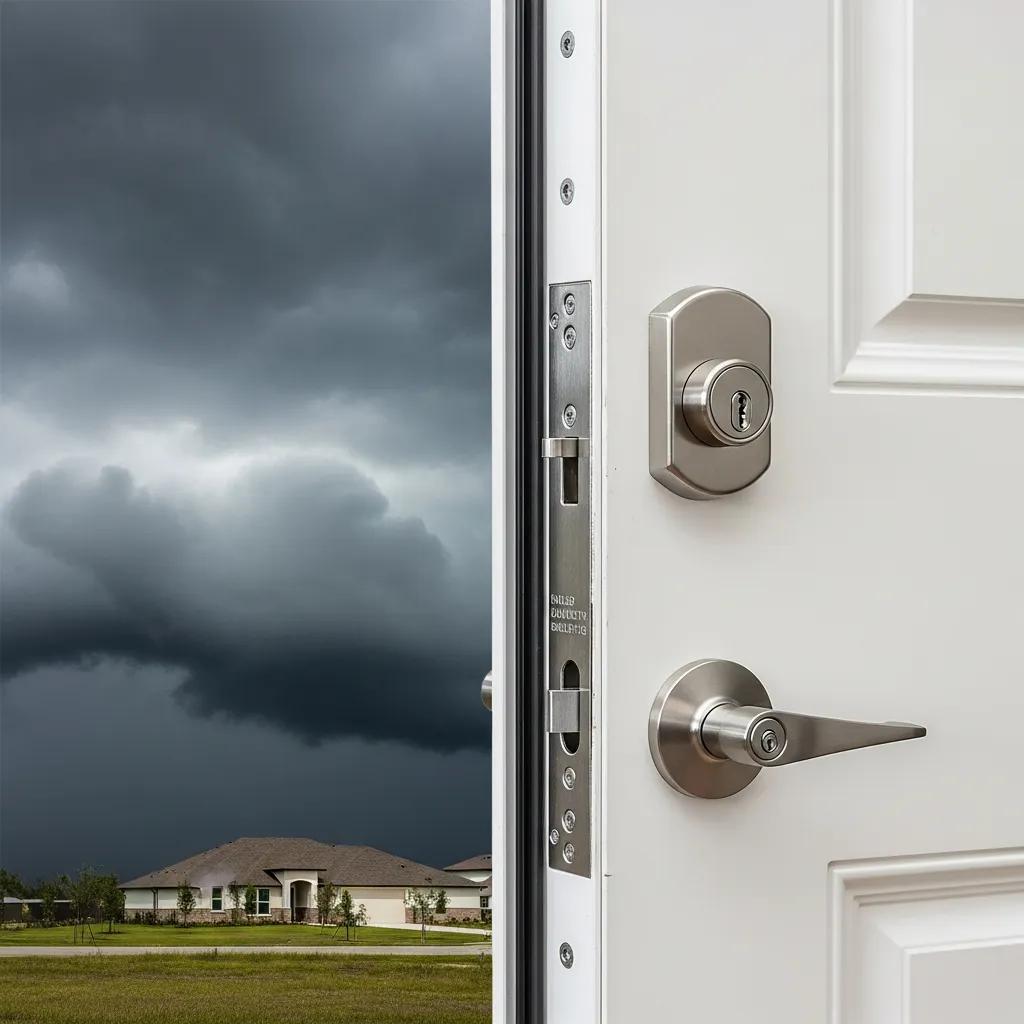
Benefits of Steel Doors for Commercial Buildings: Security, Durability & ROI
Benefits of Steel Doors for Commercial Buildings: Enhancing Security, Durability, and ROI
Steel doors are increasingly recognized as a superior choice for commercial buildings due to their exceptional security, durability, and return on investment (ROI). These doors provide a robust barrier against unauthorized access, extreme weather, and wear over time, making them an ideal solution for businesses looking to protect their assets. In this article, we will explore the various benefits of steel doors, including their security features, durability advantages, and financial implications. We will also discuss how these doors meet fire resistance and safety compliance standards, ensuring that businesses can operate safely and efficiently. By the end of this article, you will have a comprehensive understanding of why steel doors are a smart investment for commercial properties.
How Do Steel Doors Improve Security in Commercial Buildings?
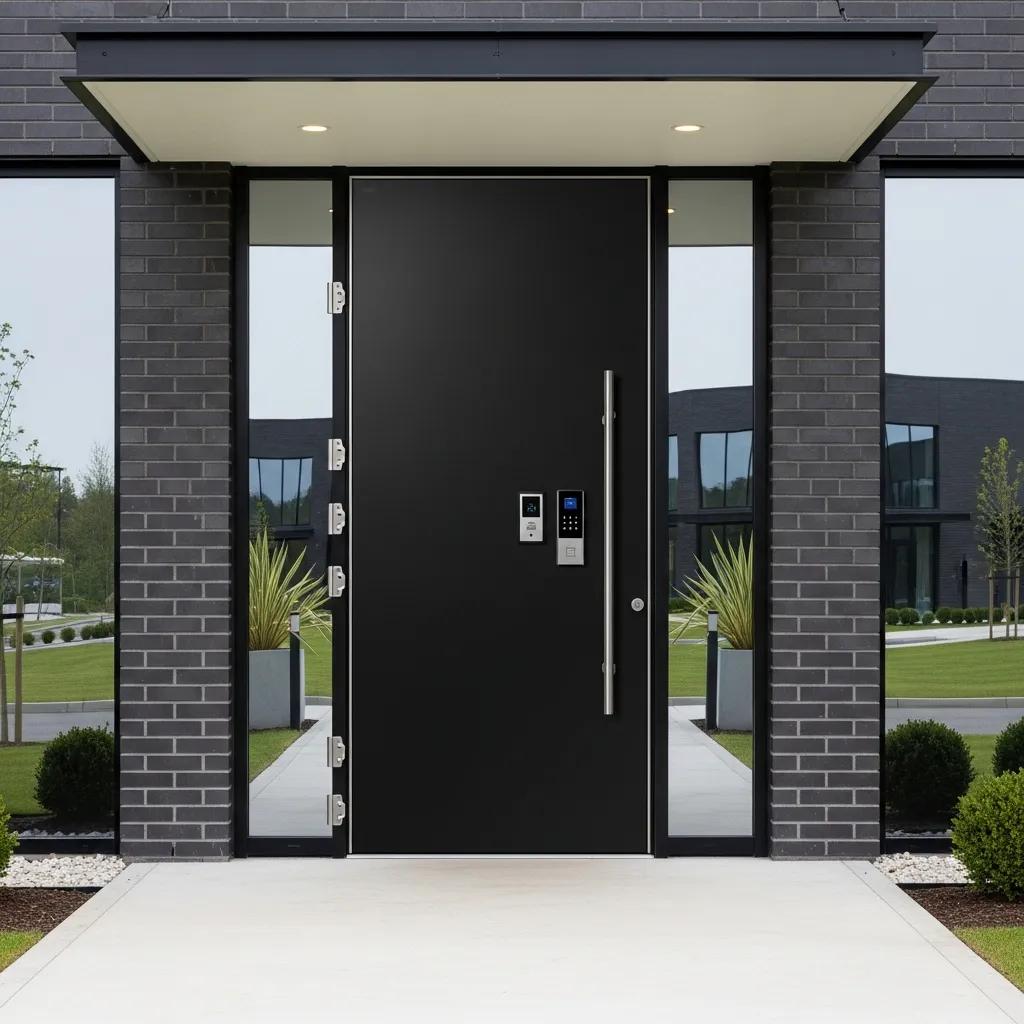
Steel doors significantly enhance security in commercial buildings by providing a strong physical barrier against forced entry. Their robust construction and advanced locking mechanisms deter potential intruders, making them a preferred choice for businesses concerned about safety. Additionally, steel doors can be integrated with modern access control systems, further enhancing their security capabilities.
What Security Features Make Steel Doors Effective?
Steel doors are equipped with several security features that make them highly effective in protecting commercial properties. These features include:
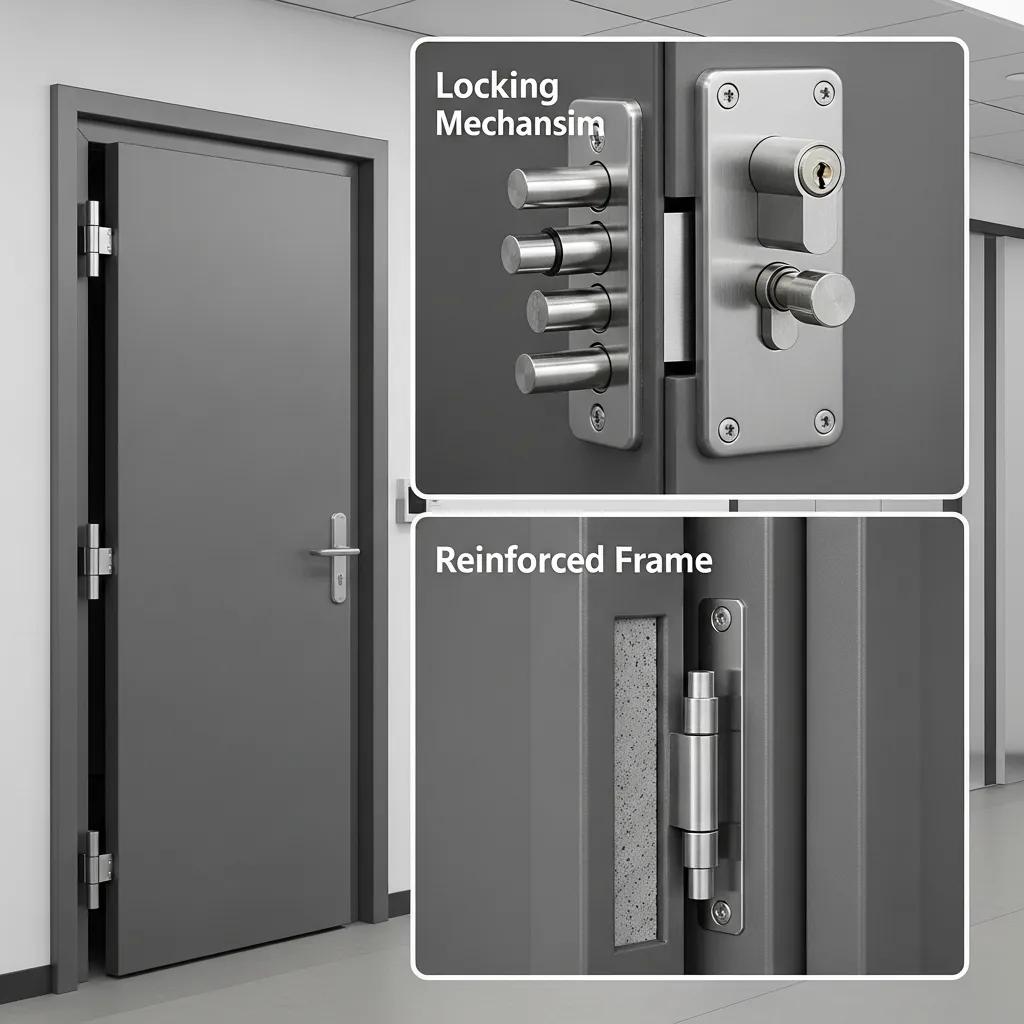
Reinforced Frames: Steel doors often come with reinforced frames that provide additional strength and resistance to impact.
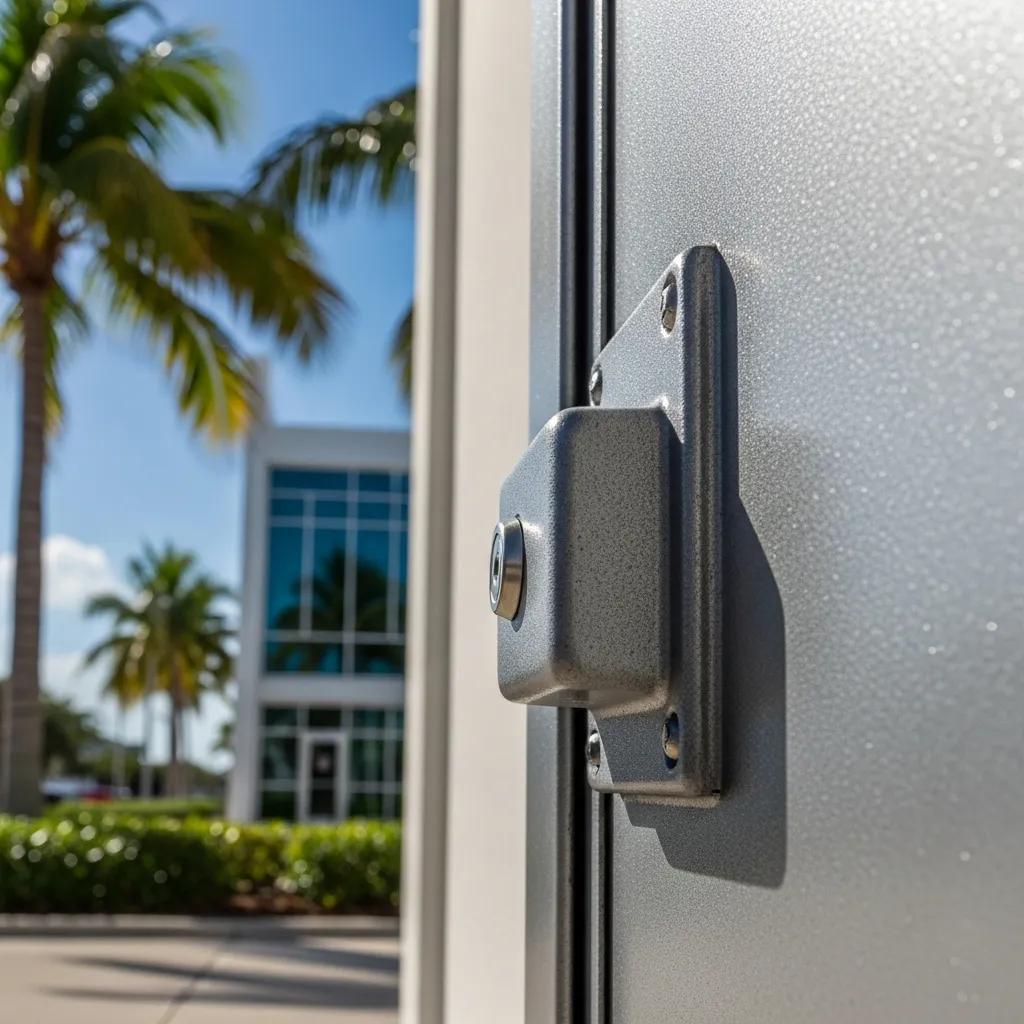
Advanced Locking Mechanisms: Many steel doors are fitted with high-security locks that are difficult to pick or tamper with.
Fire and Hurricane Safety: Steel doors can be designed to meet specific fire ratings and withstand extreme weather conditions, adding an extra layer of protection.
These features collectively contribute to the overall security of commercial buildings, making steel doors a reliable choice for business owners.
How Do Steel Doors Compare to Other Materials in Security?
When compared to other materials such as wood or fiberglass, steel doors offer superior security benefits. Steel doors are inherently more impact-resistant, making them less likely to be breached during an attempted break-in. Additionally, they are less susceptible to environmental damage, such as warping or rotting, which can compromise the integrity of wooden doors. The integration of modern security systems with steel doors further enhances their effectiveness, providing businesses with peace of mind.
What Are the Durability Advantages of Steel Doors for Commercial Use?
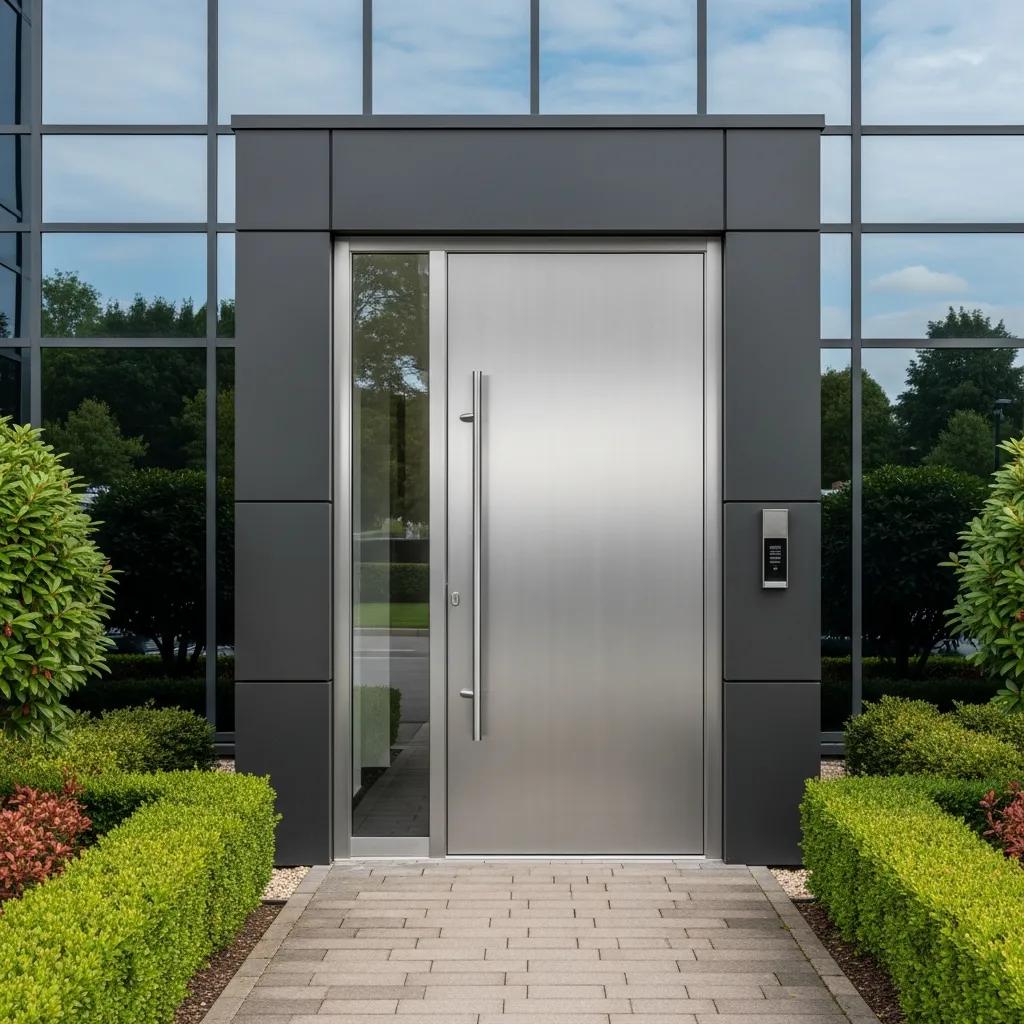
Steel doors are renowned for their durability, making them an excellent investment for commercial use. Their resistance to corrosion, impact, and wear ensures that they maintain their functionality and appearance over time, even in high-traffic environments.
How Does Steel Resist Corrosion and Wear Over Time?
Steel doors are often treated with protective coatings that enhance their resistance to corrosion and wear. These coatings prevent rust and deterioration, ensuring that the doors remain functional and visually appealing for many years. The material composition of steel, combined with these protective measures, allows steel doors to withstand harsh environmental conditions without significant degradation.
What Maintenance Is Required to Maximize Steel Door Lifespan?
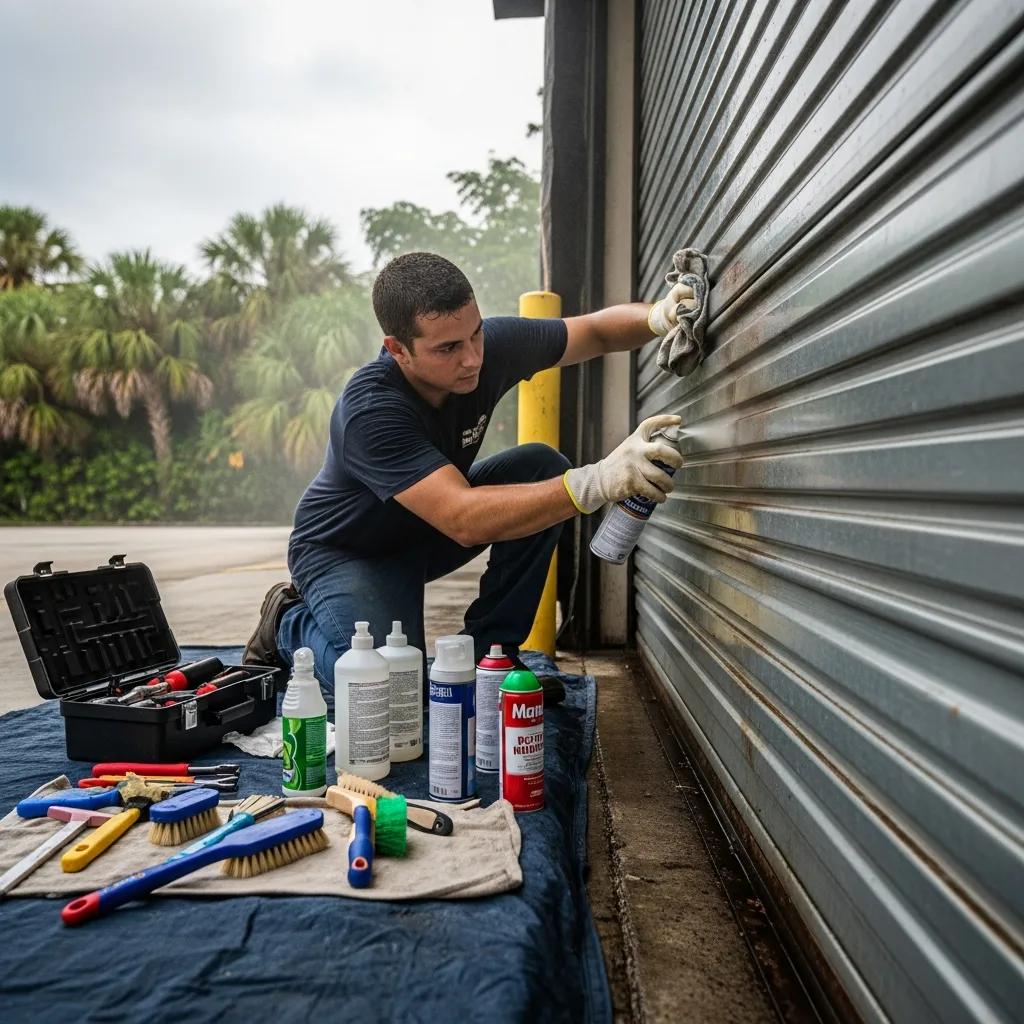
To maximize the lifespan of steel doors, regular maintenance is essential. Key maintenance practices include:
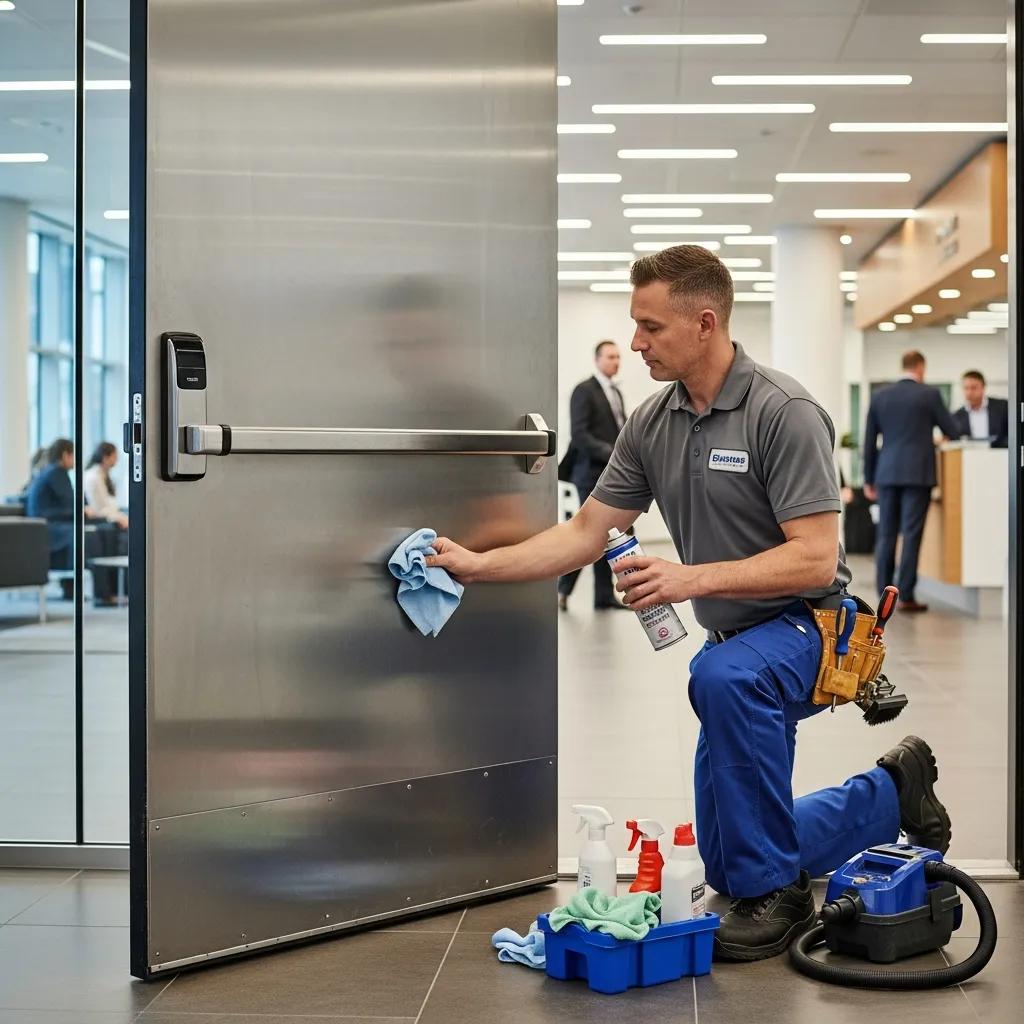
Regular Cleaning: Keeping the surface clean helps prevent the buildup of dirt and grime that can lead to corrosion.
Lubrication: Periodically lubricating hinges and locks ensures smooth operation and prevents wear.
Inspection: Regular inspections for signs of damage or wear can help identify issues before they become significant problems.
By following these maintenance practices, businesses can ensure that their steel doors remain in optimal condition for years to come.
What Is the Return on Investment of Installing Steel Doors?
Investing in steel doors can yield significant returns for commercial properties. Their durability and security features contribute to long-term cost savings, making them a financially sound choice for business owners.
How Do Steel Doors Reduce Long-Term Costs in Commercial Buildings?
Steel doors can help reduce long-term costs in several ways:
Durability: Their long lifespan means fewer replacements and repairs, leading to lower overall costs.
Energy Efficiency: Steel doors can be insulated, helping to reduce heating and cooling costs.
Fire Safety: Many steel doors are fire-rated, potentially lowering insurance premiums and enhancing safety compliance.
These factors collectively contribute to a favorable ROI, making steel doors a wise investment for commercial buildings.
Are There Case Studies Demonstrating Steel Door ROI?
Numerous case studies highlight the ROI of steel doors in commercial settings. For instance, businesses that have installed steel doors report reduced maintenance costs and lower insurance premiums due to enhanced safety features. Additionally, the energy efficiency of insulated steel doors has been shown to lead to significant savings on utility bills over time. These real-world examples underscore the financial benefits of choosing steel doors for commercial properties.
How Do Steel Doors Meet Fire Resistance and Safety Compliance Standards?
Steel doors are designed to meet stringent fire resistance and safety compliance standards, making them a reliable choice for commercial buildings. Their construction allows them to withstand high temperatures and prevent the spread of fire, ensuring the safety of occupants.
What Fire Ratings Are Common for Commercial Steel Doors?
Commercial steel doors typically come with various fire ratings, which indicate their ability to withstand fire exposure. Common ratings include 20, 45, 60, and 90 minutes, depending on the specific requirements of the building and local regulations. These ratings ensure that steel doors provide adequate protection in the event of a fire.
How Do Steel Doors Align with Building Codes and Safety Regulations?
Steel doors are designed to comply with local building codes and safety regulations, ensuring that they meet the necessary standards for commercial properties. This compliance not only enhances safety but also helps businesses avoid potential legal issues related to safety violations. By choosing steel doors, business owners can ensure that their properties are equipped with reliable safety features that align with regulatory requirements.
Steel Doors for Commercial Properties: Ultimate Buyer’s Guide 2026
Steel Doors for Commercial Properties: Ultimate Buyer’s Guide 2026
Steel doors are a critical component of commercial properties, providing security, durability, and aesthetic appeal. In 2026, the market for steel doors has evolved, offering various types tailored to meet specific needs. This guide will help you navigate the complexities of selecting the right steel door for your commercial property, focusing on key types, essential security features, installation and maintenance best practices, and cost factors. Understanding these elements will empower you to make informed decisions that enhance the safety and functionality of your business premises.
What Are the Key Types of Commercial Steel Doors in 2026?
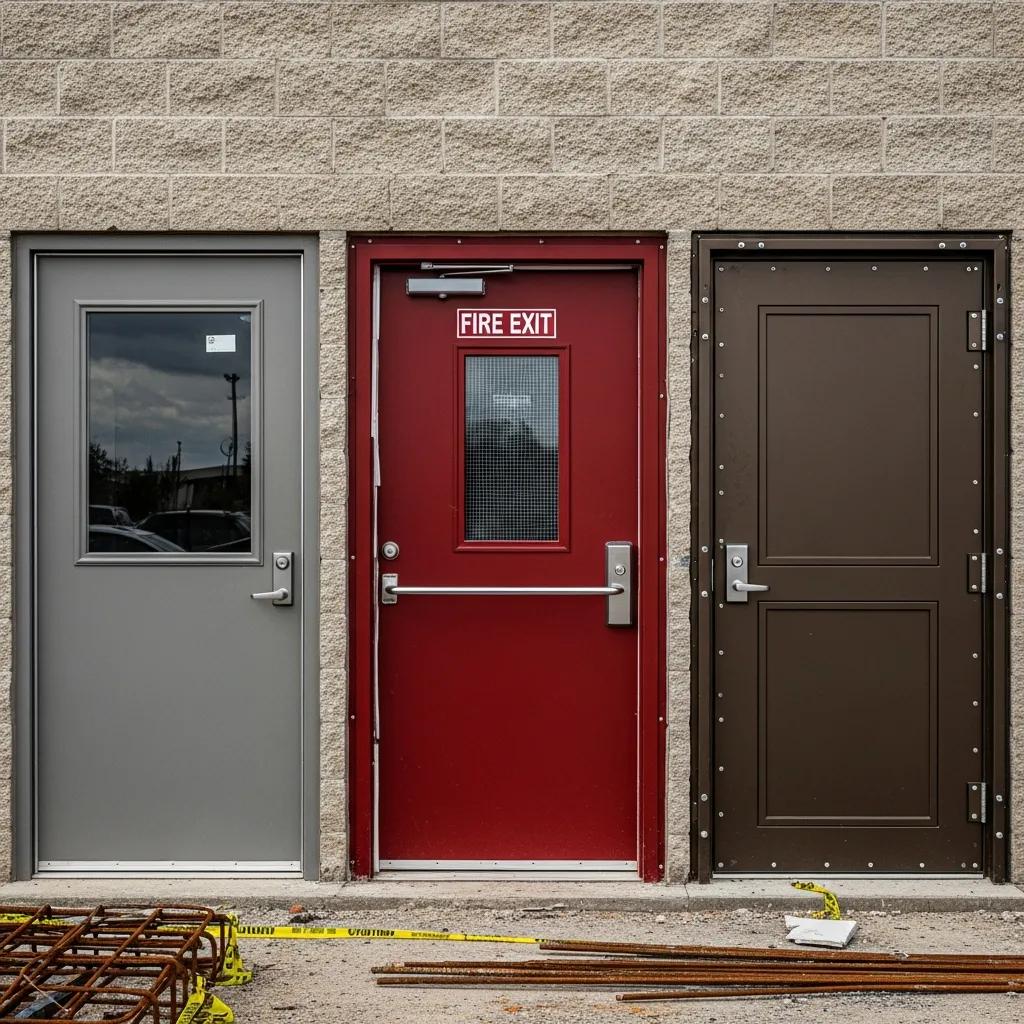
In 2026, several types of commercial steel doors are available, each designed to meet different requirements. The primary types include:
Hollow Metal Doors: These doors are known for their strength and durability, making them ideal for high-traffic areas.
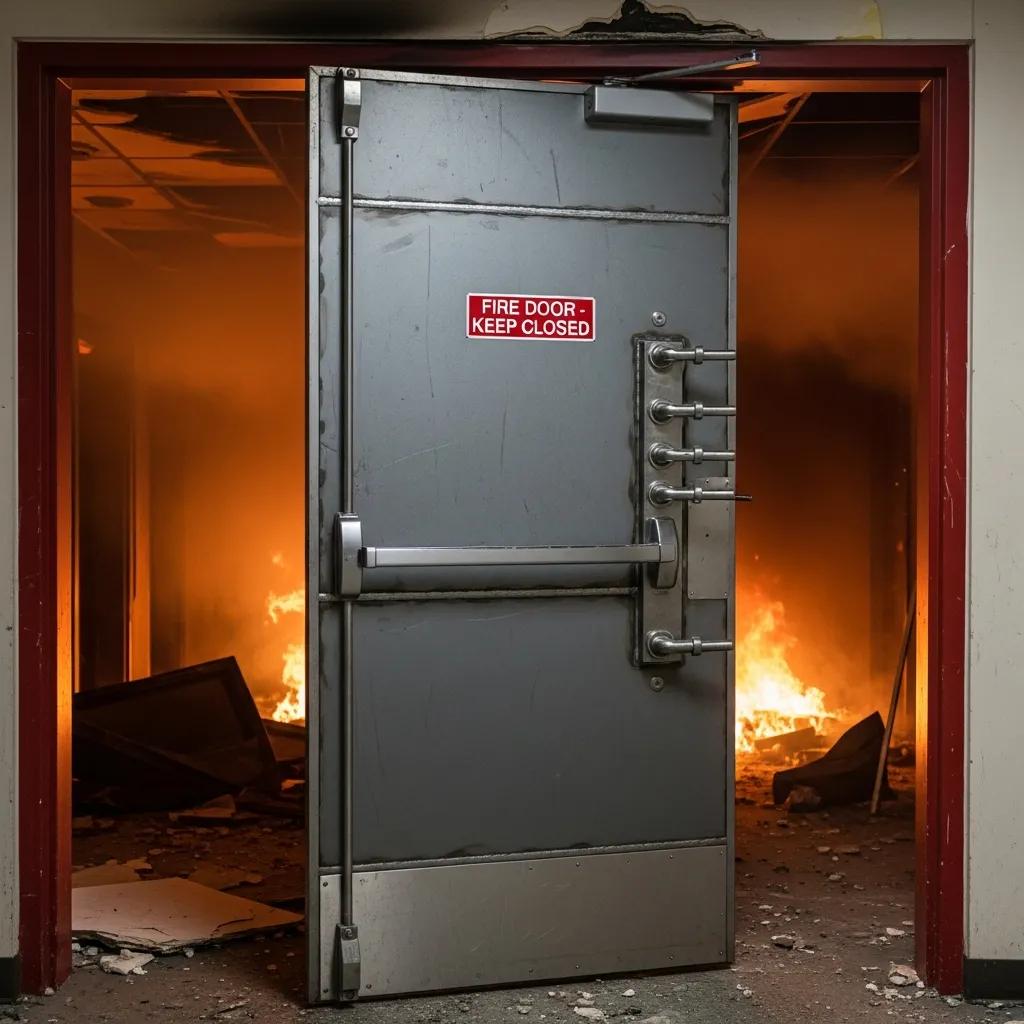
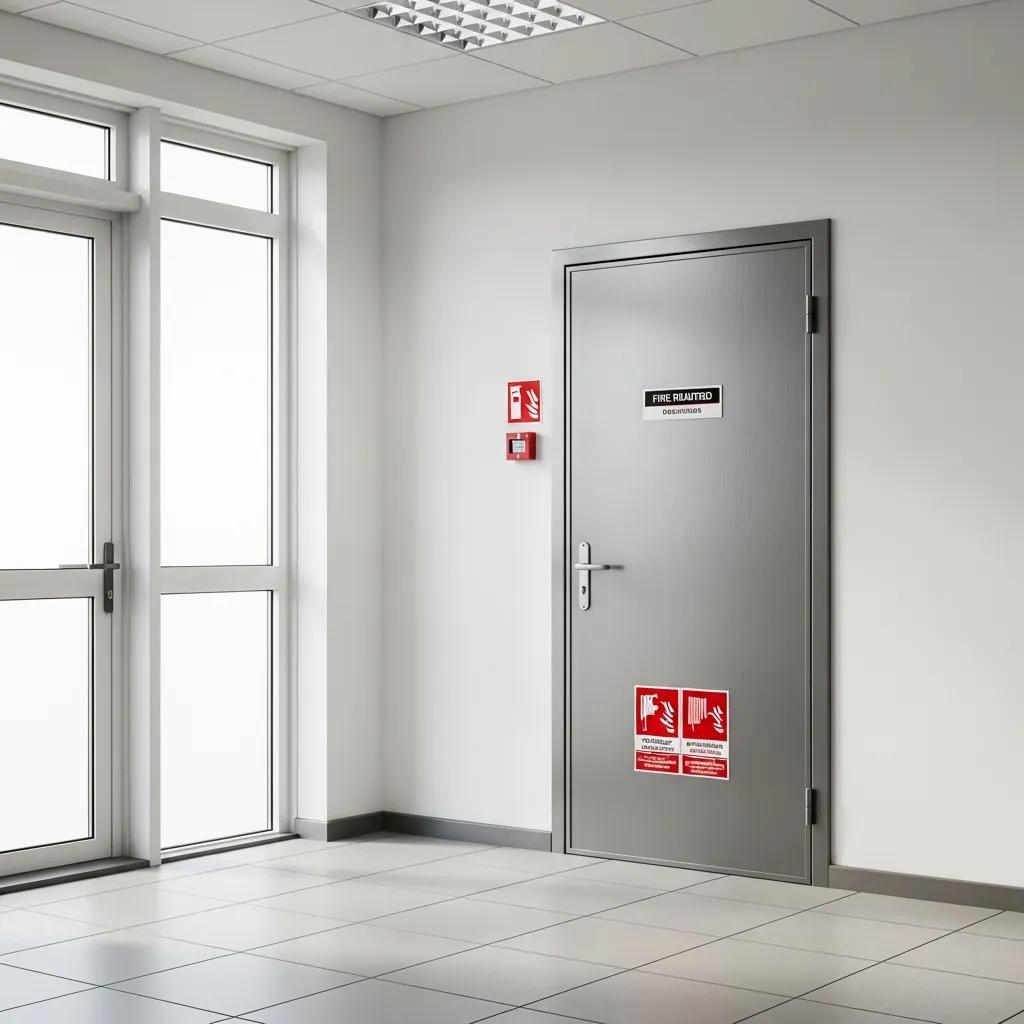
Fire-Rated Doors: Designed to withstand fire for a specified period, these doors enhance safety by preventing the spread of flames and smoke.
Hurricane Impact Doors: Built to resist severe weather conditions, these doors protect properties in hurricane-prone areas.
How Do Fire Rated Steel Doors Enhance Commercial Property Safety?
Fire-rated steel doors play a crucial role in enhancing safety within commercial properties. They are constructed to meet specific fire resistance ratings, which indicate how long they can withstand fire exposure. This feature is vital for:
Enhanced Fire Safety: By containing fire and smoke, these doors protect occupants and property.
Compliance with Safety Regulations: Many jurisdictions require fire-rated doors in specific areas, ensuring adherence to safety codes.
Containment of Fire and Smoke: These doors help limit the spread of fire, providing critical time for evacuation and firefighting efforts.
What Materials Are Commonly Used in Commercial Steel Door Construction?
The construction of commercial steel doors involves various materials, each contributing to the door’s overall performance and durability. Common materials include:
Hollow Metal: This material is lightweight yet strong, making it a popular choice for many commercial applications.
Steel: Known for its robustness, steel provides excellent security and longevity.
Stainless Steel: This material offers corrosion resistance, making it suitable for environments exposed to moisture or chemicals.
Which Security Features Are Essential for Commercial Steel Doors?
When selecting steel doors for commercial properties, security features are paramount. Essential features include:
Material Durability: High-quality steel ensures that doors can withstand physical attacks and wear over time.
Corrosion Resistance: This feature prolongs the life of the door, especially in harsh environments.
Locking Mechanisms: Advanced locking systems, such as deadbolts and electronic locks, enhance security.
How Do Smart Access Control Systems Improve Steel Door Security?
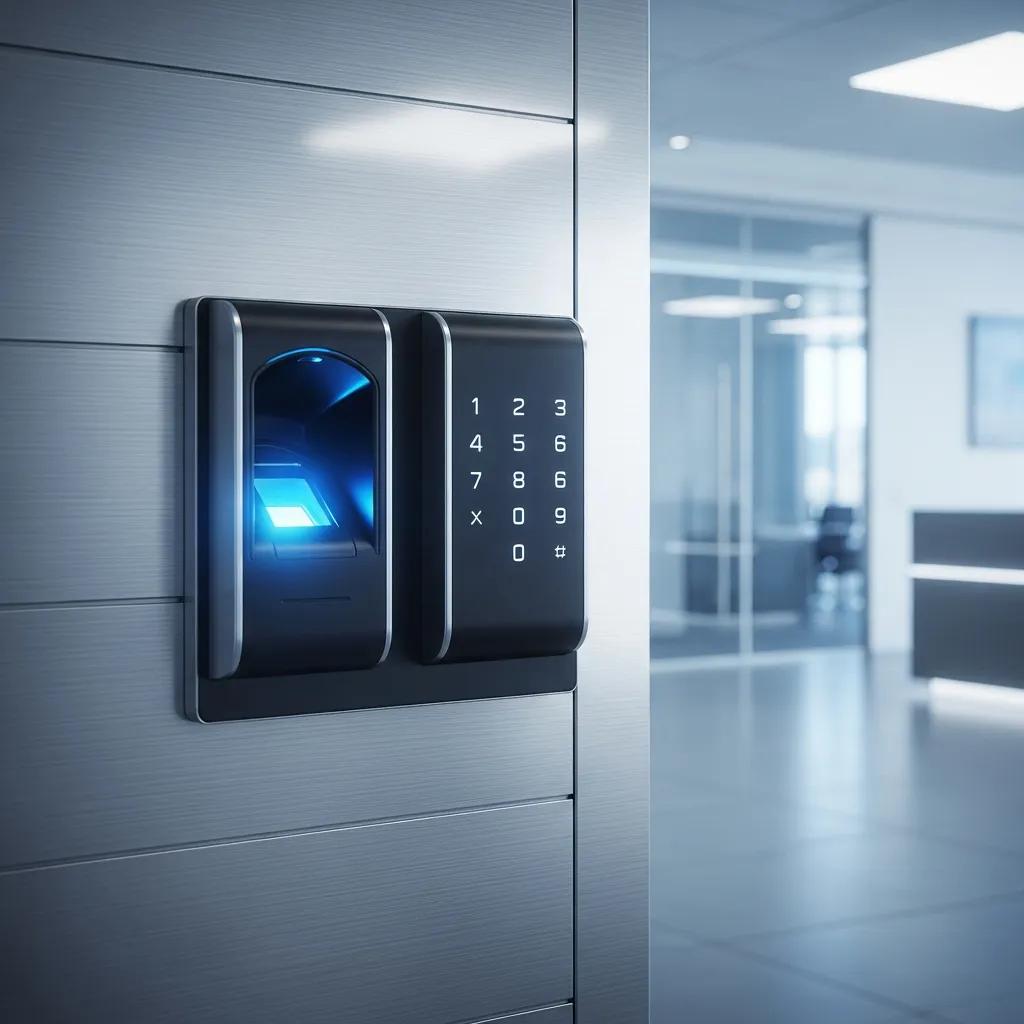
Smart access control systems significantly enhance the security of steel doors by integrating technology into traditional locking mechanisms. These systems offer:
Keyless Entry: Users can access doors without physical keys, reducing the risk of unauthorized duplication.
Biometric Scanners: These devices use fingerprints or facial recognition for secure access, ensuring that only authorized personnel can enter.
Security Event Recording: Many systems log access events, providing valuable data for security audits and investigations.
What Certifications and Compliance Standards Should Steel Door Security Meet?
Steel doors must comply with various certifications and standards to ensure their effectiveness in security. Key certifications include:
NFPA 80: This standard outlines the requirements for fire doors and their assemblies.
UL Standards: Underwriters Laboratories (UL) provides testing and certification for fire-rated doors.
International Fire Code (IFC): This code sets forth regulations for fire safety in buildings, including the use of fire-rated doors.
How Is Commercial Steel Door Installation and Maintenance Best Performed?
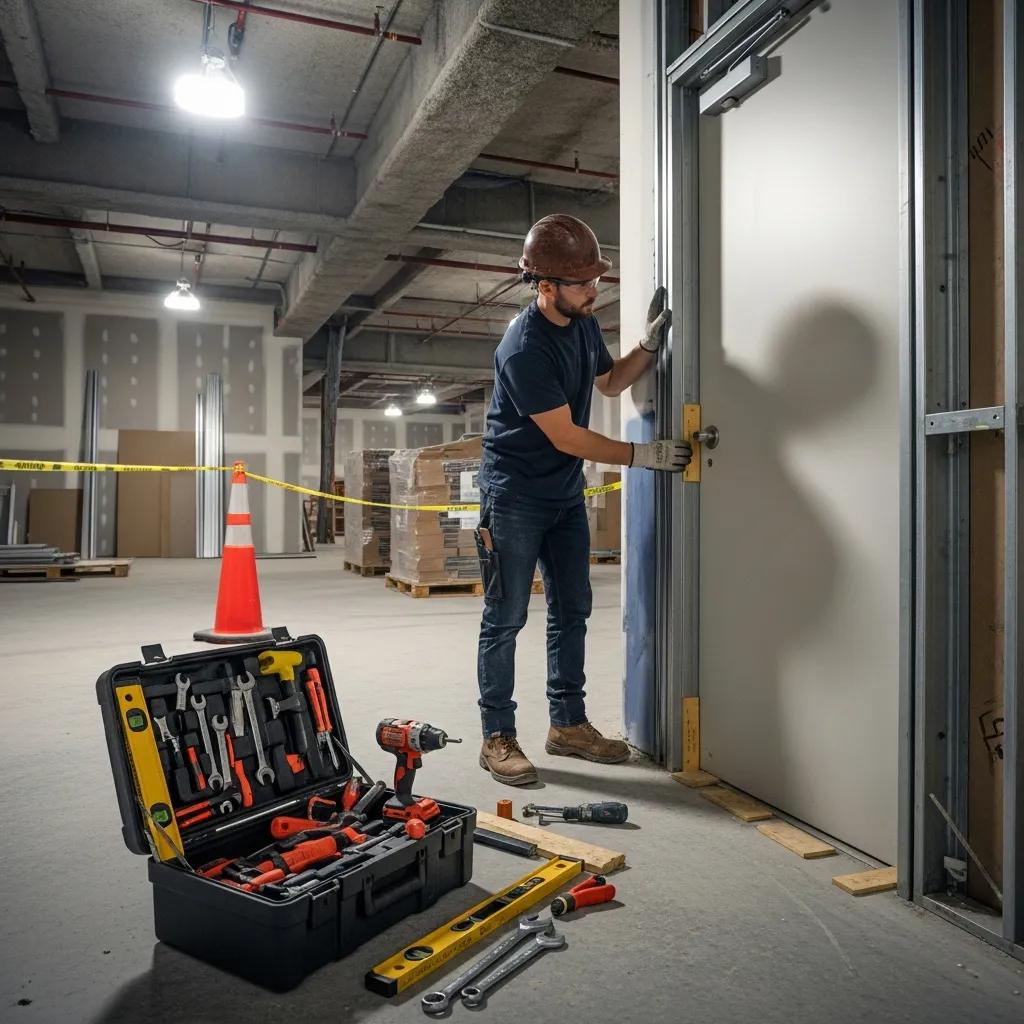
Proper installation and maintenance of commercial steel doors are essential for ensuring their longevity and performance. Key practices include:
Hire Experienced Professionals: Skilled installers ensure that doors are fitted correctly, maximizing their effectiveness.
Regular Cleaning: Keeping doors clean prevents corrosion and maintains their appearance.
Documentation of Inspections: Regular inspections help identify potential issues before they become significant problems.
What Are the Best Practices for Installing Commercial Steel Doors?
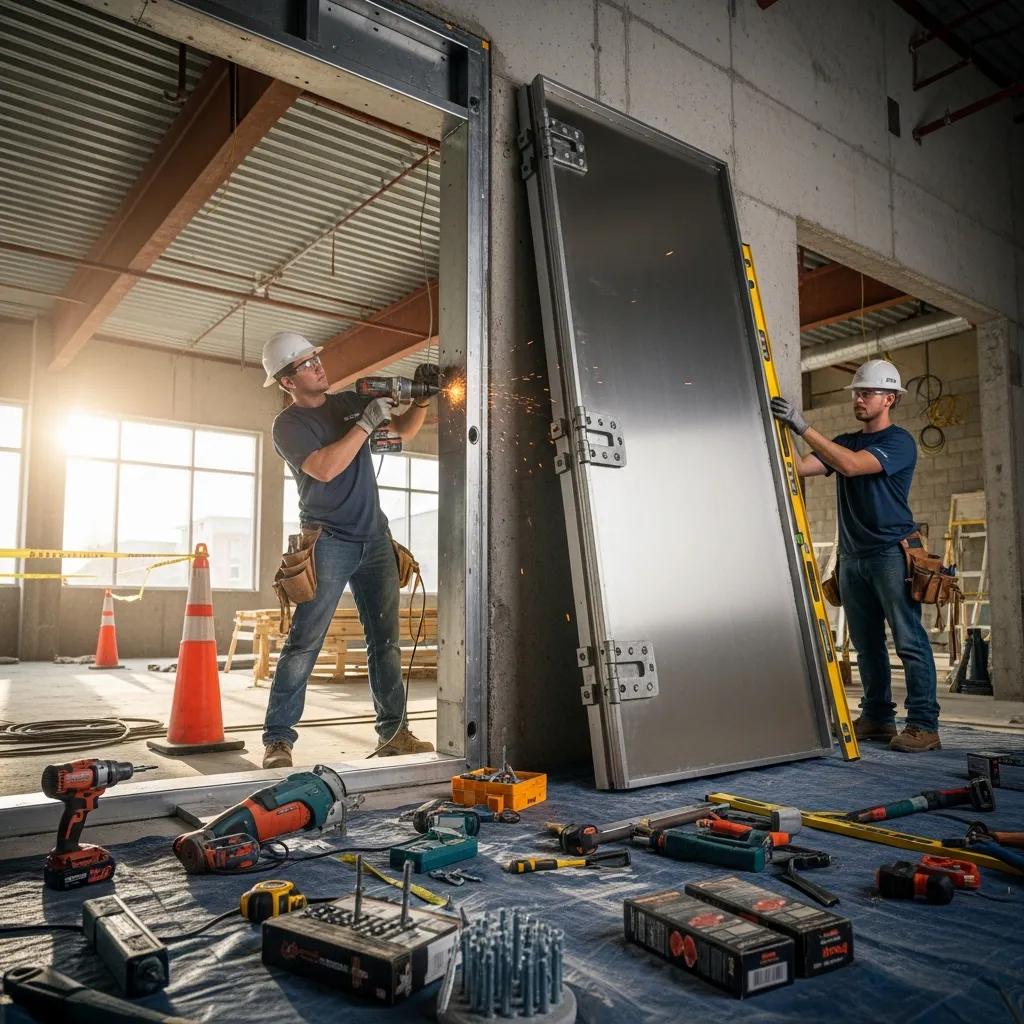
Installing commercial steel doors requires attention to detail to ensure optimal performance. Best practices include:
Proper Measurements: Accurate measurements are crucial for a secure fit.
Secure Installation: Doors should be anchored correctly to withstand force and wear.
Code Compliance: Ensure that installations meet local building codes and regulations.
Which Maintenance Tips Ensure Longevity and Performance of Steel Doors?
To maintain the performance of steel doors, consider the following maintenance tips:
Regular Cleaning: Use appropriate cleaning agents to remove dirt and grime.
Lubrication of Moving Parts: Regularly lubricate hinges and locks to ensure smooth operation.
Visual Inspections: Conduct routine checks for signs of wear or damage.
What Are the Cost Factors and Warranty Options for Commercial Steel Doors?
Understanding the cost factors associated with commercial steel doors is essential for budgeting. Key factors include:
Cost Range: Prices can vary significantly based on door type and features, typically ranging from $500 to $2,500.
Warranty Coverage: Most manufacturers offer warranties ranging from 1 to 10 years, depending on the door type and materials used.
Factors Influencing Cost: Customization, installation complexity, and additional security features can all impact the final price.
How Do Costs Vary by Steel Door Type and Security Features?
The cost of commercial steel doors varies based on several factors, including:
Price Range: Basic hollow metal doors may start around $500, while specialized fire-rated or hurricane impact doors can exceed $2,500.
Influencing Factors: Features such as advanced locking systems or custom finishes can increase costs.
Comparison of Door Types: Fire-rated doors generally cost more than standard hollow metal doors due to their specialized construction.
What Warranty Coverage Should Buyers Expect for Commercial Steel Doors?
When purchasing commercial steel doors, buyers should be aware of warranty options, which typically include:
Typical Warranty Period: Most warranties last between 1 to 10 years, depending on the manufacturer and door type.
Coverage Details: Warranties often cover defects in materials and workmanship but may exclude damage from misuse or neglect.
Importance of Warranty: A solid warranty provides peace of mind and protection against unforeseen issues.
Different types of commercial steel doors offer unique benefits tailored to specific needs. Understanding these options, along with essential security features and maintenance practices, will help you make informed decisions for your commercial property. For those seeking expert guidance in selecting and installing steel doors, Oratso Corporation specializes in technology services with a focus on commercial infrastructure solutions.
Fire-Rated Steel Doors for Commercial Properties: Compliance & Safety Guide
Fire-Rated Steel Doors for Commercial Properties: Compliance & Safety Guide
Fire-rated steel doors are essential components in commercial properties, designed to prevent the spread of fire and smoke while ensuring the safety of occupants. These doors are constructed to meet specific fire resistance ratings, which are critical for compliance with safety regulations. Understanding the standards and requirements surrounding fire-rated steel doors is vital for property owners and managers to maintain safety and legal compliance. This guide will explore the various compliance standards, installation and maintenance requirements, inspection processes, and how technology can enhance fire door safety and compliance. By the end of this article, you will have a comprehensive understanding of fire-rated steel doors and their importance in commercial properties.
The fundamental role of fire door assemblies in building safety, encompassing regulations, smoke control, and evacuation, is further emphasized by expert insights.
Fire Door Assemblies: Regulations, Smoke Control & Evacuation
Fire resistant door assemblies (doors) for pedestrian or industrial traffic with frame, leaf or leaves, rolled or folded curtain etc. are designed for installation in the openings of the building’s vertical internal partitions. The building and its associated equipment shall be designed and made so that in case of fire it ensures the necessary load bearing capacity of the structure for the time specified in national regulations, limitation of fire and smoke propagation within the building, limitation of fire propagation onto the adjacent buildings and evacuation of people, and it provides safety of the rescue teams.
Thermal insulation of single leaf fire doors, test results comparison in standard temperature-time fire scenario for different types of doorsets, D Izydorczyk, 2015
What Are the Commercial Fire Door Standards and Regulatory Requirements?
Commercial fire doors must adhere to strict standards and regulations to ensure they provide adequate protection in the event of a fire. These standards are established by organizations such as the National Fire Protection Association (NFPA) and Underwriters Laboratories (UL). Compliance with these regulations is not only a legal requirement but also a critical aspect of ensuring the safety of building occupants.
Which Compliance Standards Govern Fire-Rated Steel Doors?
Fire-rated steel doors are governed by several compliance standards, including:
UL Fire Door Assembly Listings: These listings ensure that the door assembly (door, frame, hardware) has been tested for fire resistance and meets specific performance criteria.
NFPA 80: This standard outlines the inspection, maintenance, and testing requirements for fire doors to ensure they function correctly during a fire.
BS EN 16034 and BS 476 (European Fire Door Standards): These standards provide guidelines for fire door performance in Europe, ensuring that doors meet safety requirements across different regions.
Understanding these standards is crucial for property owners to ensure their fire doors are compliant and effective in protecting against fire hazards.
What Are the Fire Resistance Ratings for Steel Fire Doors?
Fire resistance ratings indicate how long a fire-rated steel door can withstand exposure to fire. These ratings are determined through standardized testing methods, which assess the door’s ability to prevent the passage of flames and smoke. Common fire resistance ratings include:
20 minutes: Less common; some standards recognize 20-minute doors for very low-risk areas.
30 minutes: Commonly used for corridors and stairwells in many jurisdictions.
45 minutes: Used in some applications depending on local codes.
60 minutes: Common in high-risk areas requiring enhanced protection.
90 minutes: Typically found in areas with significant fire hazards.
120 minutes: Used in very high-risk areas or where required by code.
These ratings are essential for compliance with local building codes and for ensuring the safety of occupants in commercial properties.
How to Meet Fire Door Installation and Maintenance Requirements?
Proper installation and maintenance of fire doors are critical to their effectiveness. Following established guidelines ensures that these doors function as intended during a fire emergency.
What Are the Key Steps in Fire Door Installation for Commercial Buildings?
The installation of fire doors involves several key steps:
Preparation: Ensure the door frame is secure and free from obstructions.
Hanging the Door: Properly align the door within the frame, ensuring it swings freely and fits snugly.
Hardware Installation: Install self-closing devices and other necessary hardware to ensure the door closes automatically.
Compliance Checks: After installation, verify that the door assembly meets all compliance standards and performs as required.
Following these steps is essential for ensuring that fire doors provide the necessary protection in the event of a fire.
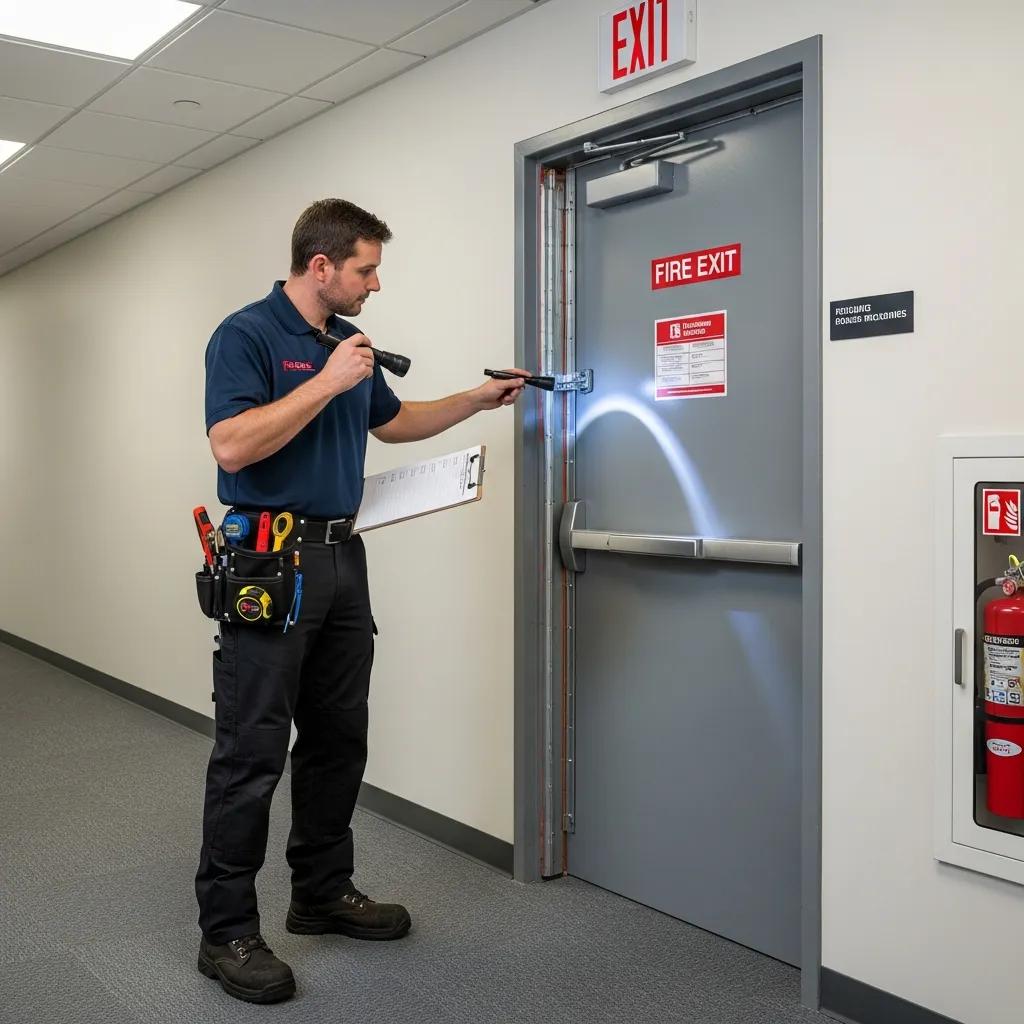
How to Maintain Fire Door Compliance with Regular Inspections?
Regular inspections are vital for maintaining fire door compliance. Best practices include:
Daily Visual Checks: Inspect doors for any visible damage, obstructions, or signs of tampering.
Monthly Operational Tests: Ensure that self-closing devices function correctly and that the door closes fully without obstruction.
Annual Professional Inspections: Engage qualified personnel to conduct thorough inspections and document findings.
These practices help ensure that fire doors remain compliant and effective in protecting against fire hazards.
Emphasizing the critical nature of ongoing vigilance, research underscores the importance of regular inspections and maintaining clear fire corridors to ensure operational safety.
Fire Door Inspections & Operational Safety
Therefore, in order to reduce risks, it is forbidden to close the fire doors of the firefighting corridor and stacking combustible materials in the corridor, Also, intensifying inspections and ensuring the normal operation of the automatic fire extinguishing system are indispensable. Based on the research results, the significance of installing fire-fighting facilities in the construction of high-rise apartments was discussed and proved.
A study on the fire safety of high-rise apartments based on fire door switch and automatic fire extinguishing system, 2021
What Is the Fire Door Inspection and Certification Process?
The inspection and certification process for fire doors is crucial for ensuring they meet safety standards. This process involves regular assessments and documentation to verify compliance.
How Often Should Fire Doors Be Inspected in Commercial Properties?
Fire doors should be inspected regularly to ensure they remain compliant. Recommended inspection frequency includes:
Monthly Visual Checks: Quick assessments to identify any obvious issues.
Annual Operational Tests: More thorough checks to ensure all mechanisms function correctly.
Annual Professional Inspections: Comprehensive evaluations by qualified inspectors to certify compliance.
Adhering to these guidelines helps maintain the integrity of fire doors and ensures they provide the necessary protection.
What Are the Certification Procedures for Fire-Rated Steel Doors?
Certification procedures for fire-rated steel doors involve several steps:
Testing: Doors must undergo rigorous testing to determine their fire resistance ratings.
Documentation: Maintain records of all inspections, tests, and maintenance activities.
Qualified Inspectors: Engage certified professionals to conduct inspections and provide certification.
These procedures are essential for ensuring that fire doors meet all regulatory requirements and function effectively in emergencies.
How Do Technology Solutions Enhance Fire Door Compliance and Safety?
Technology plays a significant role in enhancing fire door compliance and safety. Advanced solutions can streamline inspection processes and improve overall safety measures.
What Technology Services Support Fire Door Inspection and Certification?
Several technology services can support fire door inspection and certification, including:
Automated Inspection Systems: These systems can streamline the inspection process, ensuring that all necessary checks are completed efficiently.
Digital Record-Keeping: Maintaining digital records of inspections and certifications can simplify compliance management.
Performance Testing Protocols: Advanced testing methods can provide more accurate assessments of fire door performance.
These technological advancements help ensure that fire doors remain compliant and effective in protecting against fire hazards.
How Does IoT and Digital Tools Improve Fire Door Maintenance?
The Internet of Things (IoT) and digital tools significantly enhance fire door maintenance by providing real-time monitoring capabilities. Key benefits include:
Real-Time Monitoring: Sensors can detect when a fire door is not functioning correctly, alerting maintenance personnel immediately.
Data Analytics for Maintenance: Analyzing data from inspections can help identify trends and areas for improvement.
Enhanced Compliance Tracking: Digital tools can simplify the tracking of compliance documentation and inspection schedules.
By leveraging these technologies, property owners can ensure their fire doors are always in optimal condition, enhancing safety and compliance.
FAQ: Everything You Need to Know About Metal Doors in Miami
FAQ: Everything You Need to Know About Metal Doors in Miami
Metal doors in Miami are a popular choice for both commercial and residential properties due to their durability, security features, and ability to withstand the region’s unique climate challenges. This article aims to provide comprehensive insights into various types of metal doors, their benefits, installation considerations, and maintenance tips. Readers will learn about the specific features that make metal doors suitable for Miami’s environment, including hurricane resistance and fire safety compliance. As many property owners face challenges related to security and weather resilience, understanding the advantages of metal doors can help in making informed decisions. We will explore the different types of metal doors available, their security features, installation costs, and how to maintain them effectively.
What Are the Different Types of Metal Doors Available in Miami?
The different types of metal doors available in Miami include:
Hollow metal doors
Steel doors
Fire-rated doors
Hurricane impact doors
Specialty security doors
What Are Hollow Metal Doors and Their Benefits?
Hollow metal doors are constructed with two steel facings welded around a honeycomb or polystyrene core, providing high impact resistance and thermal efficiency. Their benefits include:
Durability: They offer exceptional strength and high impact resistance, making them suitable for both interior and exterior use.
Cost-Effectiveness: They provide a strong strength-to-cost ratio, making them a budget-friendly option compared to solid steel doors.
Low Maintenance: Powder-coated finishes resist corrosion, which is particularly beneficial in humid environments like Miami.
Customizability: They can be tailored in size and hardware options to fit various commercial needs, such as retail, office, and warehouse entrances.
Structural Rigidity: The core design minimizes material use while maximizing strength, making them ideal for cost-driven projects requiring long-lasting performance.
How Do Fire-Rated Doors Comply with Miami Regulations?
Fire-rated doors comply with Miami regulations by integrating steel construction with insulated cores to achieve specific fire resistance ratings (typically 90 or 180 minutes) and by adhering to standards such as NFPA 80. These doors are designed to limit the spread of fire and smoke, ensuring safety for occupants and property. Additionally, they may need to meet local codes that include additional measures for hurricane exposure, such as Miami-Dade County NOA protocols. This compliance not only enhances safety but can also lead to insurance credits and facilitate fire marshal inspections.
How Do Hurricane Impact Metal Doors Protect Miami Properties?
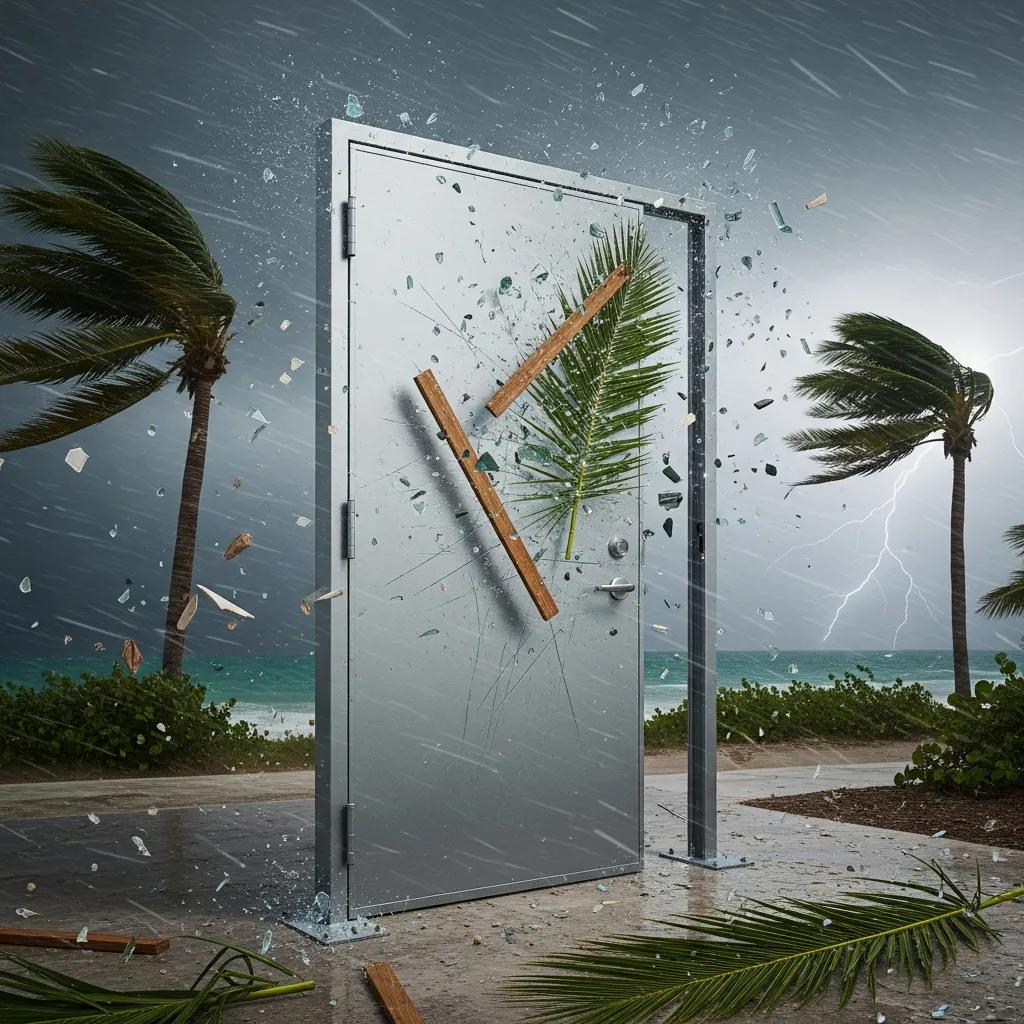
Hurricane impact metal doors protect Miami properties by being engineered with reinforced stiles, rails, and laminated glazing to withstand extreme wind loads and debris impacts. They are often certified under Miami-Dade County NOA protocols, ensuring compliance with local hurricane safety requirements. The heavy-gauge steel construction resists wind-borne debris, while factory-applied coatings protect against salt air corrosion. Additionally, sealed edges and adjustable thresholds block moisture intrusion, and thermal breaks in composite cores reduce heat transfer, preserving indoor comfort during severe weather. These features collectively limit storm damage and enhance the safety and durability of properties in hurricane-prone areas.
What Is Miami-Dade NOA Certification for Impact Doors?
Miami-Dade NOA Certification for impact doors is a certification that verifies building products, including doors, have undergone rigorous testing to withstand severe weather conditions, such as high-velocity winds and windborne debris from hurricanes. To achieve this certification, hurricane impact doors must pass specific impact resistance tests, including tests with a 9-pound 2×4 projectile, and must comply with the Florida Building Code for High-Velocity Hurricane Zones (HVHZ). Certified models display NOA labels, confirming their compliance and ability to withstand wind pressures up to ±140 psf.
How Do Impact Doors Enhance Security and Durability?
Impact doors enhance security and durability through several key features. They are constructed with heavy-gauge steel and reinforced frames that resist forced entry and vandalism. The use of multi-point locking systems distributes force across the door, significantly increasing resistance to prying. Additionally, impact doors are designed to withstand extreme weather conditions, such as hurricanes, with features like laminated glass and reinforced stiles that protect against wind pressure and debris impact. Their durable materials and construction reduce maintenance costs and ensure long-lasting performance, making them ideal for both commercial and residential applications.
What Are the Key Security Features of Metal Doors in Miami?
The key security features of metal doors in Miami include:
The robust construction and advanced features of these doors are crucial for protecting properties, as detailed in studies on high-security installations.
High-Security Doors: Protection Against Forced Entry & Attacks
Protecting critical facilities is key to keeping society safe and functioning. This paper summarizes the tools and options for the active and passive protection of civil and military critical infrastructure. We highlight the protection systems that can provide solutions for the complex security of high-profile facilities. We examine the risk factors and examine the options for protection against blast attacks, and summaries the security changes that can be made to each structure to greatly improve the resilience of high-profile facilities and the survival of their occupants. We present the devices and explosive techniques that can be used to forcibly open high-security doors and windows, which can help to recapture the protected object and to realize the perpetrators.
Preventing Attacks on Key Installations or Recapturing Them by Forced Entry, 2024
Enhanced Durability: Metal doors are constructed to withstand harsh weather conditions and resist forced entry.
Superior Impact Resistance: They are designed to endure impacts from wind-borne debris and other environmental threats.
Corrosion-Resistant Materials: Coatings like G90 galvanization protect against corrosion from salty air.
Reinforced Frames: These provide additional strength and security against tampering and forced entry.
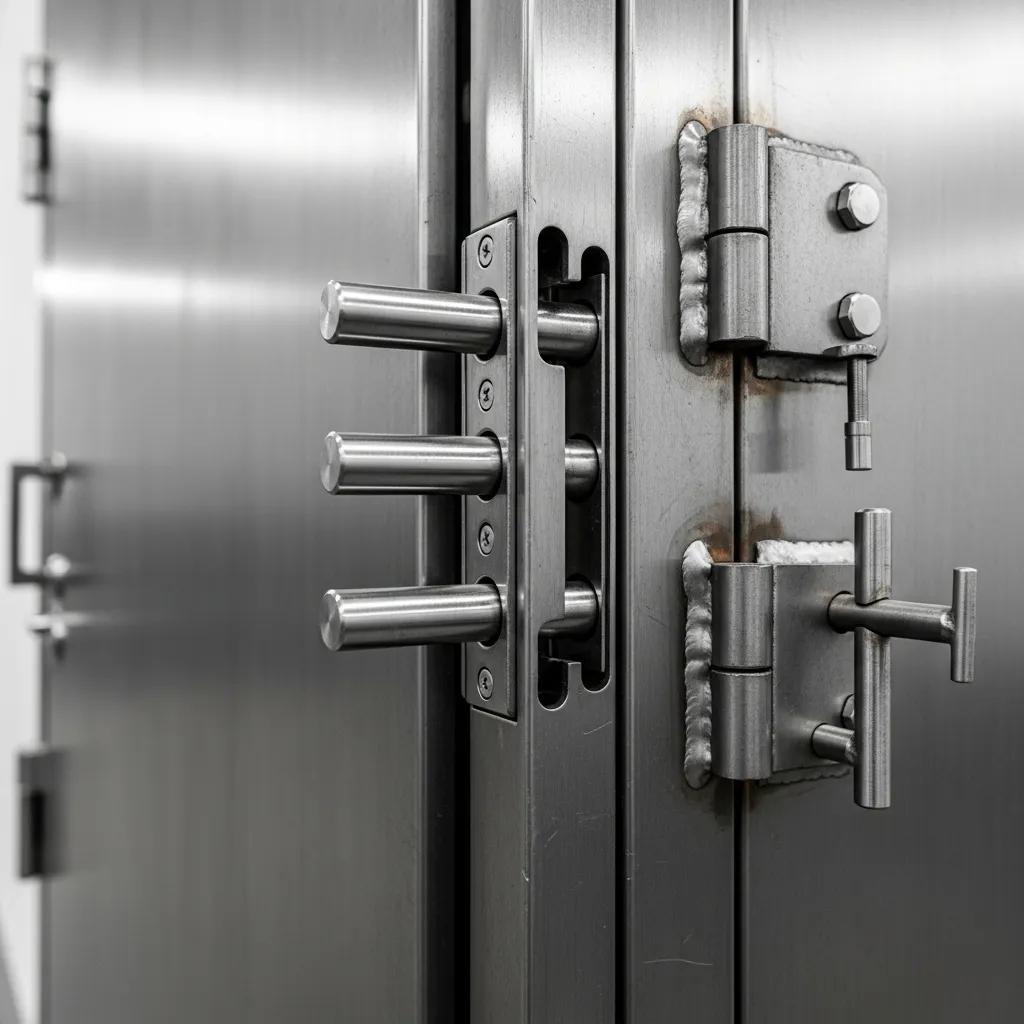
Multi-Point Locking Systems: These distribute force across the door panel, increasing resistance to forced entry.
Optional Bullet-Resistant Cores: For added protection against more severe threats.
Compliance with Local Safety Standards: Such as Miami-Dade County NOA for impact resistance and NFPA 80 for fire resistance.
Which Locking Mechanisms and Hardware Improve Door Security?
Locking mechanisms and hardware that improve door security include:
Multi-Point Deadbolts: Engage at multiple points (top, middle, bottom) to create a secure seal and distribute force against forced entry.
Anti-Kick Plates: Reinforce the door against kick-in attacks.
Electronic Latch Monitors: Signal tampering attempts.
Integrated Keyless Entry Systems: Use encrypted PIN codes or RFID badges for access control.
Reinforced Frames: Include steel channels and plate inserts to eliminate leverage points for burglars.
Tamper-Proof Hinges: Use concealed pins or special fasteners to prevent door removal.
Reinforced Strike Plates: Work with multi-point locking systems to thwart break-in attempts.
How Does Access Control Integration Work with Metal Doors?
Access control integration with metal doors works by incorporating advanced security features such as embedded electric strikes, magnetic locks, and reinforced steel plates. These allow for the installation of keyless entry systems, biometric scanners, and other access control technologies without compromising the door’s structural integrity. This integration enhances security by enabling real-time monitoring, entry logging, and remote lockdown capabilities, thereby creating a multi-layered security system that deters unauthorized entry and promotes accountability.
What Should You Know About Commercial Metal Door Installation and Costs in Miami?
In Miami, commercial metal door installation costs typically range from $800 to $2,500 per door, including installation. Factors affecting the cost include door type, size, additional features, and installation specifics. Metal doors are suitable for commercial use due to their durability, security features, and ability to withstand harsh weather conditions. They can also be energy-efficient due to their insulation properties. Regular maintenance is required to ensure their longevity, which can last 20-30 years with proper care. Customization options are available through companies like Oratso Corp, which also provides installation services.
What Are the Typical Costs for Metal Door Installation in Miami?
The costs for metal door installation in Miami can vary significantly based on several factors, including the type of door selected, its size, and any additional features required. Generally, the installation costs can be broken down as follows:
Door Type
Average Cost Range
Installation Complexity
Hollow Metal Doors
$800 – $1,200
Moderate
Steel Doors
$1,000 – $2,000
High
Fire-Rated Doors
$1,500 – $2,500
High
Hurricane Impact Doors
$1,800 – $2,500
High
How Does Oratso Corp Ensure Quality Installation and Compliance?
Oratso Corp ensures quality installation and compliance by adhering to NFPA 80 protocols and local building codes during every inspection and installation. Their technicians use detailed checklists that cover labels, clearances, hardware, glazing, and seals. Compliance assurance includes providing stamped inspection certificates and properly archived documentation to support regulatory audits and insurance requirements. Additionally, they focus on using high-quality materials and techniques, and all technicians are licensed and insured, which further guarantees safety and quality in their services.
Comparing Commercial Metal Doors: Steel, Aluminum, and Hollow Metal
Miami building codes and regulations significantly affect metal door selection by requiring compliance with specific safety standards. Commercial metal doors must meet Miami-Dade County Product Approval (NOA) for impact resistance, Florida Building Code fire door assemblies (NFPA 80), and ADA clearances for accessibility. This ensures that the doors provide adequate protection against fire and hurricane impacts, which are critical in Miami’s climate. Additionally, adhering to these regulations can facilitate smoother permit approvals and may qualify businesses for insurance credits, ultimately influencing the choice of metal doors based on safety, durability, and long-term value.
What Are the Florida Building Code and NFPA-80 Requirements?
The Florida Building Code and NFPA 80 requirements include:
NFPA 80 Requirements:Annual inspection of fire door assemblies to confirm:Presence and legibility of fire-rating labels.Proper clearances (maximum 1/8-inch gaps around the door leaf).Full functionality of self-closing devices and latches.Intact and undamaged intumescent and smoke seals.Unobstructed operation without binding or sticking.
International Fire Code (IFC) Complement:Links fire door inspection compliance to occupancy permits and fire department approvals.Requires correction of fire door deficiencies identified during inspections within specified timeframes.
Local Building Codes in South Florida and the Caribbean:Reference both NFPA 80 and IFC.Include region-specific requirements for hurricane-rated assemblies and post-storm inspections.May impose additional measures for windborne debris and hurricane exposure, such as notified product approvals (NOAs) and hurricane impact ratings.
Detailed documentation, including inspection reports and certification records, is essential for compliance with both national standards and local authorities.
Further emphasizing the importance of these regulations, research highlights the detailed analysis required for fire and life safety compliance in various building types.
NFPA Standards for Building Fire Resistance & Safety
The report’s initial portion provides a prescriptive-based analysis using applicable sections of the 2016 California Building Standard Codes and National Fire Protection Association (NFPA) standards. Because of the unique challenges to hazardous laboratory spaces, the prescriptive- based analysis includes both a review of codes applicable to all occupancies (e.g., egress, fire-resistance, building area), and codes applicable to Group H and L occupancies (e.g., electrical area classification maps, control areas). Unfortunately, detailed data of building drawings and material lists were limited. Thus, only a general analysis was possible in many areas.
Research Laboratory: Fire, Explosion, and Life Safety Analysis, 2020
How Do ADA and ANSI Standards Influence Door Design?
ADA and ANSI standards influence door design by ensuring that doors meet accessibility requirements and performance criteria. Specifically, compliance with ADA and ANSI A117.1 accessibility codes ensures that doors are designed to be accessible to individuals with disabilities, promoting inclusivity. Additionally, adherence to ANSI standards, such as A156.2 for door hardware, ensures that the doors meet specific quality and safety benchmarks, contributing to overall reliability and functionality in various building applications.
How Can You Maintain and Customize Metal Doors for Longevity in Miami?
To maintain and customize metal doors for longevity in Miami, you should:
Regular Maintenance: Conduct routine cleaning, lubrication, and inspections to prevent corrosion and ensure optimal performance in the humid climate. This includes checking for rust, lubricating moving parts, and replacing worn weatherstripping.
Protective Coatings: Apply protective coatings, such as G90 zinc or epoxy powder coats, to enhance corrosion resistance and durability.
Customization Options: Utilize customization options available, such as custom sizes, finishes, and hardware, to meet specific requirements and enhance the door’s functionality and appearance.
Address Common Issues: Be proactive in addressing common issues like stiff hinges and locks, and ensure that weatherstripping is intact to maintain airtight seals.
Professional Services: Consider professional services for repairs and maintenance, such as those offered by Oratso Corp, which include on-site restoration and emergency repairs.
What Are Best Practices for Metal Door Maintenance in South Florida?
Best practices for metal door maintenance in South Florida include:
Regular Cleaning: Clean frames and panels to remove salt spray and debris that can cause corrosion.
Protective Coatings: Apply protective coatings to prevent degradation from humidity and salt exposure.
Lubrication: Regularly lubricate hinges and locks to ensure smooth operation and prevent stiffness.
Inspection: Conduct routine checks for signs of wear, such as cracked weatherstripping or rust.
Tightening Fasteners: Ensure all fasteners are tight to maintain structural integrity.
Weatherstripping Replacement: Replace worn weatherstripping to maintain airtight seals against air and water.
What Customization Options Are Available for Metal Doors?
Customization options for metal doors in Miami include:
Custom Sizes: Up to 48 × 96 inches and tailored shapes for arches or sidelights.
Finishes: Options like G90 zinc coating, epoxy powder coats, and anti-graffiti finishes.
Hardware: Various hardware options can be integrated, including electric strikes and magnetic locks.
Design: Modular frame systems that adapt to field-measured openings.
Specialized Features: Sound-attenuating cores, vandal-resistant, and antimicrobial options for specific industries.
Top 7 Commercial Applications for Steel Doors in South Florida
Top 7 Commercial Applications for Steel Doors in South Florida: Uses, Benefits, and Compliance
Steel doors are increasingly recognized for their essential role in commercial buildings, particularly in regions like South Florida, where environmental challenges and security concerns are paramount. This article explores the top seven commercial applications for steel doors, highlighting their benefits, compliance with safety regulations, and the unique needs they address in various sectors. Readers will learn how steel doors enhance security, durability, and energy efficiency, making them a preferred choice for businesses in this hurricane-prone area. As commercial properties face threats from both natural disasters and urban crime, steel doors provide a robust solution that meets stringent safety standards. We will delve into the specific applications of steel doors in warehouses, healthcare facilities, educational institutions, and more, while also discussing the compliance requirements that ensure safety and reliability.
Why Are Steel Doors Essential for Commercial Buildings in South Florida?
Steel doors are essential for commercial buildings in South Florida due to their robust construction, which provides protection against break-ins, hurricanes, and corrosion. They are designed to withstand the region’s unique challenges, such as high humidity and urban crime rates, while offering durability and energy efficiency. Steel security doors deter unauthorized entry with solid panels and advanced locking mechanisms, and they meet local safety standards for hurricane impact and fire resistance. Additionally, their superior strength and low maintenance requirements make them a cost-effective choice for businesses looking to enhance security and comply with regulations.
What Benefits Do Steel Doors Offer for Durability and Security?
Durability: Steel doors are constructed with heavy-gauge steel skins bonded to solid cores, which absorb and distribute impact forces. They are resistant to weather and impact damage due to features like galvanized exteriors that resist rust and powder-coat finishes that protect against UV rays and moisture. Their sturdy construction allows them to withstand heavy traffic and harsh climates, leading to a lifespan of over 30 years, significantly longer than wood or fiberglass doors.
Security: Steel doors provide high tensile strength and reinforced frames that resist forced entry, making them ideal for safeguarding assets and personnel. Advanced locking mechanisms, such as multi-point deadbolts and electronic latch monitors, enhance security by deterring unauthorized access. Their design also includes features that prevent prying tools from gaining leverage, further protecting against intruders and vandalism.
Overall, steel doors combine robust materials and smart design to ensure long-lasting durability and enhanced security for businesses.
How Do Steel Doors Meet Hurricane and Fire Safety Regulations?
Steel doors meet hurricane and fire safety regulations through specific design features and compliance with established standards. Fire-rated steel doors are constructed with cores that provide fire resistance for up to 90 minutes and comply with NFPA 80 standards. Hurricane impact doors are designed with laminated glass, reinforced glazing, and steel-filled stiles to withstand high wind pressures and debris impacts, certified by Miami-Dade NOA. These features ensure that steel doors provide essential life safety during emergencies, protecting both people and property.
Which Are the Top 7 Commercial Applications for Steel Doors in South Florida?
Hollow Metal Doors – Known for their durability and cost-effectiveness.
Steel Doors – Provide robust security and corrosion resistance.
Fire-Rated Doors – Essential for fire safety compliance.
Hurricane Impact Doors – Designed to withstand extreme weather conditions.
Specialty Security Doors – Offer enhanced protection against break-ins.
Access Control Integration – Can be combined with advanced security systems.
Energy-Efficient Doors – Help reduce operational costs while maintaining security.
These applications address the specific needs of commercial properties in the region, including security, safety, and durability.
For businesses in South Florida, choosing the right type of steel door is crucial. Oratso Corp specializes in providing a range of commercial and automatic door solutions, including the installation and repair of various door types tailored to meet the unique demands of local businesses.
1. How Do Steel Doors Enhance Security and Durability in Warehouses and Industrial Facilities?
Steel doors enhance security and durability in warehouses and industrial facilities through their robust construction and advanced features. They are made from heavy-gauge steel with reinforced frames that resist forced entry and vandalism. The solid cores absorb and distribute impact forces, while welded seams prevent prying tools from gaining leverage.
In terms of durability, steel doors are constructed from corrosion-resistant alloys and protective coatings, allowing them to withstand heavy traffic and harsh climates. Their design also includes features that resist weather and impact damage, such as galvanized exteriors and foam cores that cushion impacts. This combination of strength and resistance to environmental stressors ensures a long lifespan, often exceeding 30 years, which translates to lower maintenance costs and operational continuity for businesses.
2. Why Are Steel Doors Ideal for Apartment Buildings and Condominium Complexes?
Steel doors are ideal for apartment buildings and condominium complexes due to their robust construction, which provides enhanced security against break-ins and vandalism. They are designed to withstand harsh weather conditions, making them suitable for various climates, including areas prone to storms. Additionally, steel doors offer long-lasting durability, reducing the need for frequent replacements and maintenance, which is beneficial for property managers. Their ability to integrate with advanced locking mechanisms and access control systems further enhances security, making them a smart choice for residential properties.
How Do Steel Doors Support Safety and Hygiene in Healthcare Facilities?
In healthcare facilities, safety and hygiene are paramount. Steel doors play a critical role in maintaining these standards, particularly in high-traffic areas where durability and cleanliness are essential.
What Are the Advantages of Stainless Steel Doors in Hospitals?
Corrosion Resistance: Stainless steel is inherently resistant to rust and corrosion, making it ideal for environments where sanitation is crucial.
Easy to Clean: The smooth surface of stainless steel doors allows for easy cleaning and disinfection, which is vital in preventing the spread of infections.
Durability in High-Traffic Areas: These doors can withstand the wear and tear of constant use, ensuring longevity and reliability in busy healthcare settings.
How Do Fire-Rated Steel Doors Ensure Compliance and Protection in Healthcare?
Fire-rated steel doors ensure compliance and protection in healthcare by integrating steel construction with insulated cores that provide 90- or 180-minute fire resistance, which is essential for safeguarding occupants and property. They comply with standards such as NFPA 80 and local codes, ensuring that they meet necessary safety regulations. The use of core materials like mineral wool or gypsum helps control heat transmission, while intumescent seals expand under heat to close gaps and limit smoke spread. This combination of features not only protects lives during a fire by containing smoke and flames but also supports compliance with building and life-safety regulations.
What Makes Steel Doors Suitable for Educational Institutions in South Florida?
Steel doors are suitable for educational institutions in South Florida due to their robust construction, which provides security against break-ins and withstands the region’s harsh weather conditions, including hurricanes. Their advanced locking systems and reinforced frames enhance safety, while their corrosion resistance is crucial in Miami’s humid, salty environment. Additionally, steel doors meet local safety standards, such as Miami-Dade NOA for hurricane impact and NFPA 80 for fire resistance, ensuring compliance and protection for students and staff. Their durability and low maintenance requirements also make them a cost-effective choice for educational facilities.
How Do Steel Doors Provide Security and Fire Safety in Schools?
Steel doors provide security in schools by using heavy-gauge steel skins bonded to solid cores, which resist forced entry and vandalism. Their reinforced frames prevent prying tools from gaining leverage, deterring unauthorized access. Additionally, advanced locking mechanisms, such as multi-point deadbolts and electronic systems, enhance security.
For fire safety, steel doors are often fire-rated, meaning they can withstand fire for specified durations (e.g., 90 or 180 minutes), helping to contain fires and protect occupants. Intumescent strips expand in heat to seal gaps, blocking smoke and flames, while reinforced panels resist warping under high temperatures, ensuring they function during critical evacuation times. This combination of features helps schools comply with safety regulations and provides essential protection during emergencies.
What Features Help Steel Doors Withstand High Traffic and Vandalism?
Heavy-Gauge Steel Skins: These provide strength and durability, absorbing and distributing impact forces.
Solid Cores: The solid cores enhance resistance to forced entry.
Reinforced Frames: Frames with welded seams prevent prying tools from gaining leverage.
Multi-Point Locking Systems: These distribute force across the door panel, enhancing security.
Tamper-Resistant Locks: These locks deter unauthorized access.
Heavy-Duty Hardware: Designed to withstand abuse in high-traffic areas, ensuring longevity.
How Are Steel Doors Used in Retail Stores and Commercial Offices?
Steel doors are used in retail stores and commercial offices primarily for their security, durability, and energy efficiency. They provide robust protection against forced entry and vandalism due to their heavy-gauge steel construction and reinforced frames. This makes them ideal for safeguarding assets and personnel in high-traffic environments.
Additionally, steel doors can integrate with advanced locking mechanisms and access control systems, enhancing security further. They are also designed to withstand harsh weather conditions and heavy use, reducing maintenance costs and replacement frequency.
Moreover, steel doors offer customization options that allow businesses to align the doors with their branding and architectural styles, enhancing curb appeal and creating a professional image. Overall, they support operational goals while ensuring a secure and welcoming environment.
What Security and Aesthetic Benefits Do Steel Doors Offer Retail Spaces?
Security Benefits:
Robust Construction: Steel doors are made from heavy-gauge steel with solid cores, providing high tensile strength and resistance to forced entry and vandalism.
Reinforced Frames: Features like welded seams prevent prying tools from gaining leverage, enhancing protection against intruders.
Advanced Locking Mechanisms: Options such as multi-point deadbolts and electronic latch monitors improve security by signaling tampering and restricting access.
Integration with Security Systems: Steel doors can work with access control systems, allowing for real-time monitoring and enhanced security measures.
Aesthetic Benefits:
Curb Appeal: A modern steel entrance conveys strength and reliability, enhancing the professional image of the business.
Customization Options: Steel doors can be tailored with various finishes, colors, and glass accents to align with corporate branding and architectural styles, improving overall aesthetics.
Attention to Detail: Smooth finishes and precise hardware contribute to a polished look, making the entrance inviting for clients and visitors.
Overall, steel doors provide a secure and visually appealing entry point that supports operational goals and reflects professional standards.
How Do Energy-Efficient Steel Doors Reduce Operational Costs?
Energy-efficient steel doors reduce operational costs by incorporating insulated cores and tight seals that maintain stable indoor temperatures. This minimizes heat transfer, leading to reduced heating and cooling loads, which can lower HVAC energy consumption by up to 15%. Over the lifecycle of a typical commercial building, these savings can offset the initial investment in the doors, resulting in faster payback and improved sustainability.
What Are the Compliance Requirements for Fire-Rated and Hurricane Impact Steel Doors in South Florida?
Hurricane Impact Steel Doors:Must achieve Miami-Dade Notice of Acceptance (NOA) by passing rigorous large- and small-missile tests.Must withstand wind pressures up to ±140 psf and block windborne debris.Must meet Florida Building Code standards for High-Velocity Hurricane Zones (HVHZ).
Fire-Rated Steel Doors:Must comply with NFPA 80 and Florida Fire Codes.Designed to prevent fire spread for up to 90 minutes, featuring insulating cores and intumescent strips.Essential for safe egress in commercial, institutional, and multi-unit residential buildings.
Adherence to these standards is critical, as fire door assemblies must be installed according to specific guidelines.
NFPA 80 Compliance for Fire Doors & Opening Protectives
Such assemblies must be installed in accordance with the requirements of NFPA 80, Standard for Fire Doors and Other Opening Protectives.
PROTECTION OF OPENINGS IN FIRE RATED ASSEMBLIES, 2012
Additionally, fire doors may require extra structural testing after severe storms in Miami-Dade and Broward counties.
How Do Miami-Dade NOA and Florida Building Code Affect Steel Door Selection?
Miami-Dade NOA and Florida Building Code significantly influence steel door selection by requiring compliance with specific safety standards. Steel doors must meet Miami-Dade County Product Approval for impact resistance, ensuring they can withstand severe weather conditions, and adhere to Florida Building Code fire door assembly requirements, which include fire resistance ratings and safety features for egress. This compliance ensures safety, legal adherence, and facilitates smoother permit approvals for businesses in Miami.
Understanding the nuances of these regulations is crucial, as compliance with Florida’s hurricane building codes and Miami-Dade NOA is a complex but essential aspect of construction in the region.
Florida Hurricane Building Codes & Miami-Dade Compliance
As building codes and architectural-product requirements for hurricane-prone Florida gain wider adoption, questions arise about how to meet these requirements. Not all louvers in a Miami-Dade NOA are approved for Miami-Dade County. and ANSI/AMCA Standard 550 compliance can be achieved:
Your Questions About Severe-Duty Louvers Answered: As building codes and architectural-product requirements for hurricane-prone Florida gain wider adoption …, 2021
What Are the Key Fire Safety Standards for Commercial Steel Doors?
Testing Standards: Fire-rated doors are tested to standards such as UL 10C and NFPA 252, which verify their ability to withstand fire for specified durations.
Fire Ratings:20-Minute Doors: For low-risk areas like storage rooms.90-Minute Doors: Required in corridors and stairwell enclosures.180-Minute Doors: Used in high-hazard compartments and firewall penetrations.
Certification Bodies:UL (Underwriters Laboratories)BSI (British Standards Institution)NFPA (National Fire Protection Association), specifically NFPA 80 for inspection and maintenance.
Installation and Maintenance: Proper installation and maintenance are critical, and certification by qualified technicians is essential to ensure compliance with standards and to identify defects.
These standards and practices help ensure the safety and reliability of fire-rated steel doors in commercial settings.
The Fire Rated Door Installation Process: What to Expect from Start to Finish
The Fire Rated Door Installation Process: What to Expect from Start to Finish
Fire-rated doors play a crucial role in enhancing safety within commercial and residential buildings. These specialized doors are designed to withstand fire for specified durations, providing essential protection against the spread of flames and smoke. In this comprehensive guide, we will explore the fire-rated door installation process, detailing what to expect from start to finish. Understanding this process is vital for ensuring compliance with safety regulations and protecting lives and property. We will cover the importance of fire-rated doors, preparation steps for installation, the installation procedures, post-installation services, and the costs associated with fire-rated door installation in Florida.
What Are Fire Rated Doors and Why Are They Essential?
Fire-rated doors are specially designed to withstand fire for specified durations, typically tested to standards like UL 10C and NFPA 252. They are essential for safety in commercial buildings as they help prevent the spread of fire and smoke, ensuring compliance with building codes and protecting lives and property. Common fire resistance ratings for these doors include 20, 45, 60, 90, and 180 minutes, with higher ratings providing greater protection and critical time for evacuation during a fire. Additionally, features like intumescent strips and reinforced steel panels enhance their effectiveness in fire containment.
Further emphasizing the importance of these safety measures, research highlights the global standards and certification processes that validate a fire door’s performance.
Fire Door Certification & International Testing Standards
Fire doors are passive devices to mitigate the consequences of fire, by preventing the spread of fire and smoke inside a building. Their certification provides the costumers with a performance label when subject to fire and heat. Various testing standards are available in various regions of the world (US, Europe, China) but on the essential they are in close agreement: the time dependent temperature profile that defines the thermal load. In Europe the relevant standards are: EN 1634-1; EN 13501-2; and EN 1363-1.
Certification of a Fire Door–An Overview, J Silva, 2025
For those considering fire-rated door installation, it is crucial to choose a reputable provider. Oratso Corp, with over 20 years of experience, specializes in fire-rated door installation and offers free estimates, ensuring that clients receive the best service tailored to their needs.
What Defines a Fire Rated Door?
A fire-rated door is defined by its ability to withstand fire for specified durations, typically tested to standards such as UL 10C and NFPA 252. Common fire resistance ratings for commercial steel doors include 20-minute, 45-minute, 60-minute, 90-minute, and 180-minute ratings, which indicate the duration the door can resist fire and help ensure compliance with building codes and safety regulations. Fire-rated doors are designed to slow fire spread and protect occupants, featuring components like intumescent strips that expand under heat to seal gaps and limit smoke spread.
Which Types of Fire Rated Doors Are Available?
The types of fire-rated doors available include:
20-Minute Doors – For low-risk areas such as storage rooms.
45-Minute and 60-Minute Doors – Commonly used in various commercial applications.
90-Minute Doors – Required in corridors and stairwell enclosures.
180-Minute Doors – Used in high-hazard compartments and firewall penetrations.
Understanding the different types of fire-rated doors is essential for selecting the right one for your property.
How to Prepare for Fire Rated Door Installation in Florida?
To prepare for fire-rated door installation in Florida, consider the following steps:
Site Assessment: Examine wall openings, structural supports, and access points to determine frame needs.
Frame Installation: Position the reinforced steel frame, shim for level and plumb, and secure it to the substrate.
Door Hanging & Adjustment: Mount the door, adjust hinges, and test swing clearance.
Seal Check: Verify perimeter seals to prevent air, water, and sound leaks.
Additionally, ensure compliance with local building codes, such as NFPA 80, and consider the specific requirements for hurricane impact ratings in Miami-Dade and Broward counties. Professional installers are recommended for their expertise in these regulations and installation techniques.
What Are the Key Florida Fire Door Regulations to Know?
Key Florida fire door regulations include:
Hurricane Impact Ratings: In Miami-Dade and Broward counties, fire doors may require Notice of Acceptance (NOA) and hurricane impact ratings, necessitating additional structural testing and certification to withstand severe storms.
Documentation Requirements: Inspectors must maintain:Inspection ReportsRepair RecordsCertification StatementsRetention Protocols (records must be stored for a minimum of three to five years)
Inspection Frequency:Annual inspections are required to meet NFPA 80 standards.High-traffic environments may benefit from more frequent checks (quarterly or semi-annual visual checks).Commercial buildings may require monthly operational tests and quarterly comprehensive inspections, while residential units typically undergo annual professional assessments.
Coastal Standards: Caribbean jurisdictions may have local fire codes that align with NFPA 80 but include specific humidity and corrosion-resistance standards for coastal installations.
These regulations ensure fire doors are properly maintained and compliant with safety standards.
How to Select the Right Fire Rated Door for Your Property?
To select the right fire-rated door for your property, consider the following:
Fire Resistance Ratings: Choose a door based on the required fire rating for your specific area:20-Minute Doors: Suitable for low-risk areas like storage rooms.45-Minute and 60-Minute Doors: Suitable for various commercial applications.90-Minute Doors: Required in corridors and stairwell enclosures.180-Minute Doors: Used in high-hazard compartments and firewall penetrations.
Compliance with Building Codes: Ensure the door meets standards such as UL 10C and NFPA 252, which verify its ability to withstand fire for specified durations.
Safety Features: Look for features like intumescent strips that expand in heat to seal gaps, blocking smoke and flame, and reinforced steel panels that resist warping under high temperatures.
Maintenance Considerations: Regular maintenance is crucial for ensuring the door performs reliably. Familiarize yourself with inspection and testing mandates from NFPA 80 and the International Fire Code.
By evaluating these factors, you can select a fire-rated door that enhances safety and complies with regulations.
What Are the Step-by-Step Fire Rated Door Installation Procedures?
The installation of fire-rated doors involves several critical steps to ensure safety and compliance.
How Is the Door Frame Prepared and Installed?
The door frame is prepared and installed through the following key steps:
Site Assessment: Examine wall openings, structural supports, and access points to determine frame needs.
Frame Installation: Position the reinforced steel frame, shim for level and plumb, and secure it to the substrate.
Door Hanging & Adjustment: Mount the door, adjust hinges, and test swing clearance.
Seal Check: Verify perimeter seals to prevent air, water, and sound leaks.
How Are Intumescent and Smoke Seals Applied?
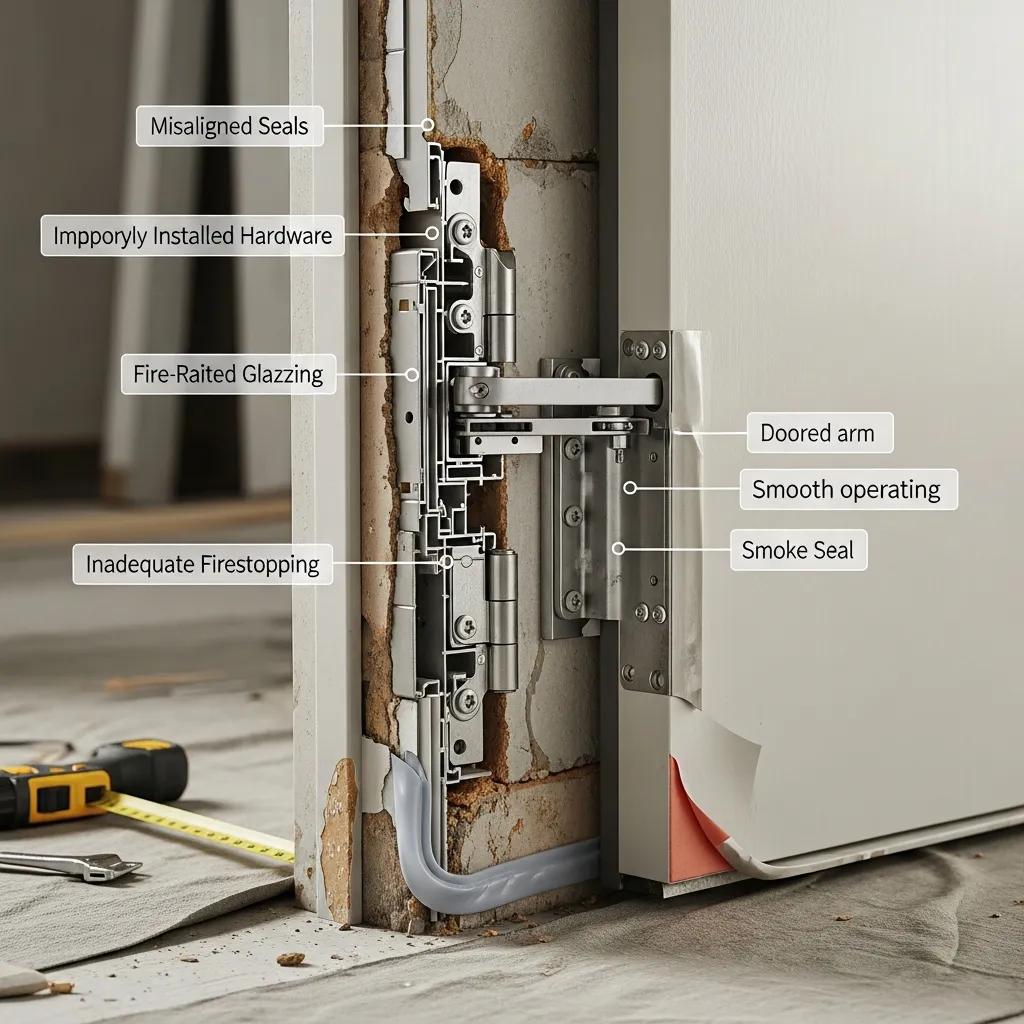
Intumescent and smoke seals are critical components of fire-rated doors. These seals are applied around the perimeter of the door frame to enhance fire resistance. Intumescent seals expand when exposed to heat, creating a barrier that prevents smoke and flames from penetrating through gaps. Proper installation of these seals is essential for maintaining the door’s fire rating and ensuring occupant safety.
What Are Common Fire Door Installation Mistakes to Avoid?
Common fire door installation mistakes to avoid include:
Failing to secure or properly close the door, which can allow fire and smoke penetration.
Ignoring the condition of intumescent seals and self-closing devices, as malfunctioning components can invalidate the fire rating.
Not adjusting hardware like closers, latches, and panic devices to factory specifications during installation.
These mistakes can undermine the effectiveness of fire doors in maintaining safety and containment.
What Post-Installation Services Ensure Fire Door Longevity and Compliance?
Post-installation services that ensure fire door longevity and compliance include:
Professional alignment and seal adjustments to prevent air and water infiltration.
Post-installation inspections to confirm hurricane and fire-rating integrity.
Routine inspections and timely repairs of hinges, seals, and hardware to prevent common failure modes.
Lubrication and adjustment of moving parts to reduce stress and wear.
Rust remediation and recoating to protect steel surfaces in humid conditions.
Emergency repair teams to restore fire-rated and impact doors to code after damage.
Scheduled maintenance contracts for predictable budgets and preserved door performance.
How Often Should Fire Doors Be Inspected According to NFPA 80?
According to NFPA 80, fire doors should be inspected at least annually. However, in high-traffic environments, more frequent checks may be beneficial, such as quarterly or semi-annual visual checks. Critical egress routes in commercial buildings may require monthly operational tests and quarterly comprehensive inspections. Residential fire doors typically undergo annual professional assessments supplemented by periodic self-checks.
What Maintenance Practices Keep Fire Rated Doors Functional?
Maintenance practices that keep fire-rated doors functional include:
Preserving seals, hardware, and closing mechanisms.
Regularly checking for and addressing neglected clearances or worn components.
Conducting consistent upkeep to enhance the mechanical integrity of the doors.
Performing routine service to demonstrate due diligence and reinforce compliance with safety regulations.
These practices help ensure that fire doors operate effectively during emergencies, contain fire and smoke, and protect occupants and property.
How Much Does Fire Rated Door Installation Cost in Miami and South Florida?
The cost of fire-rated door installation in Miami and South Florida typically ranges from $1,000 to $2,500 per door, including installation.
What Influences the Price of Fire Rated Door Installation?
The price of fire-rated door installation is influenced by several factors, including:
Material and Gauge: The choice of material (e.g., standard steel, G90-galvanized steel, aluminum, stainless steel) and the gauge of the steel can affect costs. Heavier gauges and stainless steel typically command higher prices.
Fire Rating: The fire resistance rating of the door (e.g., 20, 45, 60, 90, or 180 minutes) can incur premium fabrication and testing charges.
Installation Complexity: Site conditions, such as whether the installation is a retrofit or a new opening, can impact labor costs and frame modifications.
Glazing Options and Hardware: Additional features like glazing options and the complexity of hardware can also influence the overall price.
Permit Fees: Costs associated with obtaining necessary permits can add to the installation price.
Understanding these variables helps clarify upfront budgets and informs value-driven choices for facility managers and contractors.
How Can You Get a Free Estimate from Oratso Corp?
To obtain a free estimate from Oratso Corp, potential clients can contact the company directly. They will need to provide details about the installation site, including dimensions and specific requirements for the fire-rated doors. This information allows Oratso Corp to offer tailored estimates that reflect the unique needs of each project.
Why Choose Oratso Corp for Your Fire Rated Door Installation Needs?
You should choose Oratso Corp for your fire-rated door installation needs because they offer competitive pricing, free estimates, and emergency or overnight service, minimizing downtime and ensuring code compliance. They provide a wide range of fire-rated doors, guarantee proper installation, and offer repair services to restore fire resistance. Their technicians adhere to NFPA 80 protocols and local codes, ensuring compliance with detailed checklists and documentation. Additionally, their customer-focused approach ensures prompt responses and flexible scheduling for maintenance.
What Experience and Certifications Does Oratso Corp Offer?
Oratso Corp offers installation, repair, and maintenance services for doors and windows, focusing on safety and quality. Their technicians are licensed and insured, ensuring compliance with industry standards. They provide a range of commercial fire-rated doors and adhere to NFPA 80 protocols and local building codes. Additionally, they have a rapid-response team for emergency repairs and offer free estimates and consultations.
How Does Oratso Corp Provide 24/7 Emergency and Local Service?
Oratso Corp provides 24/7 emergency and local service through emergency response teams that are prepared for urgent repairs on roll-up and swinging fire doors. They also offer overnight service for critical steel assemblies, ensuring rapid deployment to minimize exposure to risk and allowing facilities to resume normal operations with full fire-safe integrity within hours of reporting.
Essential Maintenance Tips to Keep Your Metal Doors Pristine in Miami’s Humid Climate
Essential Maintenance Tips to Keep Your Metal Doors Looking New in Miami’s Humid Climate
Miami’s humid climate subjects metal doors to constant moisture, salt exposure, and storm-driven impacts, accelerating corrosion and degrading finishes within weeks. Understanding what maintenance is required to keep metal doors looking new in Miami involves targeted cleaning, protective treatments, and regular inspections to restore protective layers, prevent rust formation, and extend door lifespan. This guide covers why local conditions threaten metal doors, daily and weekly upkeep, rust-prevention strategies, deeper monthly routines, hurricane-season preparation, common problem solutions, and when to partner with Oratso Corp for professional door care.
Why Is Miami’s Humid Climate Challenging for Metal Doors?
Miami’s humid climate combines high moisture levels, salt-laden air, and seasonal storms that compromise protective coatings and accelerate oxidation on metal door surfaces. This environment can cause pitting, flaking, and structural weakening within months, making proactive maintenance essential to preserve appearance and functionality. Identifying these factors leads directly into the specific environmental causes of corrosion.
What Environmental Factors Cause Metal Door Corrosion in Miami?
Below is a comparison of Miami’s key climate factors and their impacts on metal door integrity.
What Environmental Factor Causes Corrosion?
Environmental Factor
Condition
Effect on Doors
High Humidity
70–80% average
Promotes uniform oxidation and rust
Salt-Laden Air
Coastal chloride spray
Initiates pitting and coating breakdown
Hurricane-Driven Rain
Wind-driven moisture
Erodes paint finish and sealants
These conditions interact to create a highly corrosive setting that undermines standard protective finishes, making routine maintenance and targeted treatments indispensable.
How Does Salt-Laden Air Accelerate Rust on Steel Doors?
Salt-laden air accelerates rust on steel doors by depositing chloride ions that breach protective oxide films, creating localized corrosion sites that expand rapidly. Even light coastal breezes can leave salt crystals that attract moisture and fuel oxidation deep within metal pores. Addressing this mechanism requires thorough de-salting and corrosion inhibitors to reinforce protective layers and prevent pitting.
What Are Miami-Dade Building Codes for Metal Doors?
Miami-Dade building codes mandate impact-resistant, corrosion-rated metal doors with specific product approvals (Miami-Dade NOA) and installation standards to ensure hurricane resilience. Key requirements include:
Installing doors with FM or UL impact ratings approved by Miami-Dade.
Ensuring anchor and frame assemblies comply with wind-load specifications.
Miami-Dade Building Codes for Metal Doors
Miami-Dade building codes mandate impact-resistant, corrosion-rated metal doors with specific product approvals (Miami-Dade NOA) and installation standards to ensure hurricane resilience, including compliance with ASTM B117 salt-spray tests for corrosion-resistant finishes [14, 20]. These regulations enhance door durability and protect against code violations during inspections.
Miami-Dade County, md-wasd 6/2005 08110-1 r-4 section 08110 steel doors and frames part 1(2005)
This citation supports the article’s statement about Miami-Dade building codes by providing information on the specific requirements for steel doors and frames, including product approvals and compliance with standards.
What Are the Best Daily and Weekly Maintenance Practices for Metal Doors in Miami?
Daily and weekly maintenance involves cleaning, visual inspection, and minor touch-ups to prevent moisture buildup and early corrosion spots. Consistent attention ensures protective finishes remain intact and small issues are addressed before they escalate into costly repairs.
How Do You Properly Clean Metal Doors to Prevent Rust?
Begin cleaning metal doors by rinsing surfaces with fresh water to remove salt deposits, then wash with a mild detergent solution to eliminate grime and pollutants. Follow these steps:
Rinse door with hose at low pressure to avoid damage.
Gently scrub with a soft brush and pH-neutral soap.
Rinse thoroughly and dry with clean microfiber cloths.
Apply a corrosion-inhibiting spray or light coat of automotive wax.
Proper cleaning removes corrosive residues and maintains the door’s protective barrier, reducing oxidation risk.
How Often Should You Inspect Metal Doors for Early Signs of Damage?
Inspect metal doors at least once weekly and after any severe weather event to detect surface rust, paint blistering, or loose hardware. Key indicators to check include:
Rust specks around edges and hinges.
Peeling or cracked paint finish.
Moisture pooling on door sills.
Early detection allows prompt touch-ups or hardware adjustments, preventing small defects from developing into structural problems.
What Tools and Supplies Are Needed for Routine Metal Door Care?
Routine metal door care requires the following essentials to maintain performance and appearance:
Soft-bristle brushes and microfiber cloths.
pH-neutral detergent and fresh water supply.
Corrosion-inhibiting sprays or wax sealants.
Touch-up paint matched to door finish.
Adjustable wrenches and screwdrivers for hardware tightening.
Having these tools at hand supports efficient maintenance and encourages consistent care routines.
How Can You Prevent Rust and Corrosion on Steel Doors in Miami’s Humid Climate?
Preventing rust and corrosion combines protective treatments, design considerations, and timely interventions that reinforce barrier integrity and manage moisture exposure. These strategies collectively extend door life and preserve aesthetics.
What Protective Coatings and Sealants Are Effective Against Corrosion?
Applying the right sealant and coating system creates a durable shield against moisture and salt intrusion. The table below compares common options:
Effective Sealant Systems
Sealant Type
Application Method
Protection Level
Epoxy Primer
Brush or spray before topcoat
High adhesion, corrosion barrier
Polyurethane Finish
Spray or roller on top layer
UV-resistant, flexible seal
Silicone Sealant
Bead application in joints
Water-repellent, flexible seal
Integrating these coatings into your maintenance schedule ensures metal doors retain their finish and resist aggressive coastal conditions.
How Does Proper Drainage and Door Design Reduce Moisture Damage?
Optimized door design channels water away from vulnerable components by incorporating drip edges and sloped thresholds. Ensuring adequate clearance at the bottom prevents standing water contact with the door surface. These design enhancements minimize moisture retention and reduce corrosion initiation points.
When Should You Apply Rust Removal Treatments?
You should apply rust removal treatments as soon as surface oxidation appears—typically every 3–6 months in coastal areas. Follow these criteria:
Immediately treat small rust spots before they expand.
Use phosphoric-acid converters on pitted areas.
Re-prime and re-paint treated sections within 24 hours to restore protection.
Timely rust treatment interrupts corrosion progression and maintains structural integrity.
What Are the Monthly and Quarterly Maintenance Steps for Metal Doors?
Monthly and quarterly routines involve hardware lubrication, seal inspection, and preventive adjustments to reinforce weather barriers and mechanical performance. These steps deepen protection beyond basic cleaning and visual checks.
How Do You Lubricate Commercial Door Hardware in Humid Conditions?
Lubricate hinges, locks, and closers every quarter with a silicone- or PTFE-based lubricant to prevent friction wear and moisture infiltration. Follow these steps:
Wipe hardware clean of debris.
Apply lubricant directly to hinge pins and moving parts.
Cycle door open and closed to distribute lubrication.
Remove excess lubricant to avoid dust accumulation.
Regular lubrication restores smooth operation and protects metal components from rust formation.
How Should Weather Seals and Gaskets Be Inspected and Maintained?
Inspect door seals and gaskets quarterly for cracks, compression set, or gaps that allow water infiltration. To maintain them:
Clean seals with mild soap and water.
Re-seat loose gasket sections into track channels.
Replace hardened or torn seal strips.
Well-maintained seals preserve energy efficiency and prevent moisture from undermining the door frame.
What Are the Signs That Weatherstripping Needs Replacement?
Weatherstripping requires replacement when it shows these indicators:
Visible cracking or splitting along edges.
Difficulty closing door flush against frame.
Air drafts or water leaks during rain events.
Addressing worn weatherstripping promptly restores environmental protection and comfort.
How Should You Prepare Metal Doors for Miami’s Hurricane Season?
Hurricane-season preparation demands targeted reinforcement, compliance checks, and professional insights to ensure doors withstand extreme wind and rain forces. Proper preparation safeguards property and occupant safety.
What Special Maintenance Do Hurricane Impact Doors Require?
Hurricane impact doors need reinforcement checks and seal integrity verification to comply with Miami-Dade approvals. Key maintenance tasks include:
Tightening or replacing high-strength impact hinges and bolts.
Inspecting laminated glass and frame seals for delamination.
Verifying compliance labels (NOA) remain legible.
These measures ensure doors perform as rated during hurricane-force winds.
How Often Should Impact Door Mechanisms Be Tested?
Test impact door closing and locking mechanisms monthly before hurricane season to confirm smooth operation and secure latching under simulated wind loads. Consistent testing reveals adjustments needed to maintain certification compliance.
When Is It Time to Call Professionals for Pre-Hurricane Door Inspections?
Engage experts like Oratso Corp at least six weeks before hurricane season to perform in-depth impact door inspections, corrosion assessments, and structural reinforcement services. Professional evaluation prevents code violations and ensures peak performance under storm conditions.
What Common Problems Affect Metal Doors in Miami and How Can You Fix Them?
Metal doors in coastal environments face recurring issues such as rust, sticking, leaks, and security vulnerabilities. Addressing these problems promptly restores functionality and appearance.
How Do You Address Rust Spots and Surface Corrosion?
Treat rust spots by sanding to bare metal, applying a rust converter, and touching up with corrosion-resistant primer and paint. Repeating this process every 3–6 months prevents spread and preserves finish.
What Causes Doors to Stick or Squeak in Humid Climates?
High humidity causes swelling of materials and hardware friction that leads to sticking or squeaks. To resolve this:
Lubricate hinges and tracks with PTFE spray.
Tighten loose screws and realign misaligned frames.
Adjust threshold clearance to accommodate seasonal expansion.
These repairs restore smooth operation and silence.
How Can Water Leaks Around Doors Be Prevented?
Prevent leaks by:
Replacing worn weatherstripping and door sweeps.
Sealing frame joints with marine-grade silicone.
Ensuring exterior thresholds slope away from door.
Proactive sealing stops water intrusion and protects interior spaces.
How Do You Enhance Security Features on Commercial Metal Doors?
Boost security by installing reinforced deadbolts, high-security cylinders, and access control systems. Adding strike-plate reinforcement and tamper-proof hinges creates a fortified entry that resists forced entry attempts.
When Should Commercial Property Owners Contact Oratso Corp for Metal Door Maintenance?
Professional intervention is critical for complex repairs, code compliance, and impact-rated door servicing. Knowing when to seek expert support safeguards investments and avoids operational disruptions.
What Are the Benefits of Professional Metal Door Inspections and Repairs?
Engaging certified technicians delivers:
Comprehensive corrosion assessments with advanced detection tools.
Precise code-compliant repairs that meet Miami-Dade standards.
Extended door lifespan through professional refinishing and hardware upgrades.
Peace of mind from licensed and insured workmanship.
Expert service minimizes downtime and maximizes return on maintenance investments.
How Does Oratso Corp Customize Maintenance Solutions for Miami’s Climate?
Oratso Corp leverages regional expertise to tailor maintenance programs that address local humidity, salt exposure, and hurricane requirements. Customized service plans include corrosion-resistant coatings, scheduled inspections, and seasonal preparations aligned with Miami’s unique conditions.
How Can You Get a Free Estimate for Metal Door Services in Miami?
Request a complimentary consultation and written estimate by contacting Oratso Corp at (305) 555-1234 or visiting https://oratsocorp.com/contact. Our specialists will evaluate your doors on-site, recommend targeted maintenance, and provide transparent pricing with no obligation.
Metal doors exposed to Miami’s humid, coastal environment demand a strategic maintenance regimen that combines cleaning, protective treatments, mechanical care, and professional support. Implementing these daily, periodic, and seasonal practices preserves finishes, prevents corrosion, and ensures compliance with local standards. By partnering with Oratso Corp for expert inspections and tailored solutions, commercial property owners can maintain door performance, enhance security, and extend the lifespan of their investments under the region’s toughest conditions.
Frequently Asked Questions
What are the signs that my metal door needs immediate attention?
Look for visible rust spots, peeling paint, or any signs of corrosion, especially around hinges and edges. If you notice difficulty in opening or closing the door, or if there are gaps that allow air or water to seep through, these are indicators that your door requires immediate maintenance. Regular inspections can help catch these issues early, preventing more extensive damage and costly repairs down the line.
How can I enhance the security of my metal doors?
To improve security, consider installing high-quality deadbolts, reinforced strike plates, and tamper-proof hinges. Additionally, integrating access control systems can provide an extra layer of protection. Regularly check and maintain these security features to ensure they function correctly. Consulting with a professional can also help identify vulnerabilities and recommend specific upgrades tailored to your door’s design and your security needs.
What should I do if my metal door is sticking or squeaking?
If your metal door is sticking or squeaking, it may be due to humidity causing the door to swell or hardware friction. Start by lubricating the hinges and tracks with a silicone or PTFE-based lubricant. Tighten any loose screws and check for misalignment in the door frame. Adjusting the threshold clearance can also help accommodate seasonal changes, ensuring smooth operation and reducing noise.
How can I prepare my metal doors for hurricane season?
Preparing metal doors for hurricane season involves several key steps. First, inspect and reinforce hinges and locks to ensure they can withstand high winds. Check the integrity of seals and gaskets, replacing any that are worn. Additionally, verify that compliance labels are legible and that the door meets Miami-Dade building codes. Consulting a professional for a thorough inspection can provide peace of mind and ensure your doors are ready for severe weather.
What maintenance is required for weather seals and gaskets?
Weather seals and gaskets should be inspected quarterly for signs of wear, such as cracks or gaps. Clean them with mild soap and water to remove debris, and re-seat any loose sections. If you notice hardened or torn strips, replace them promptly to maintain energy efficiency and prevent moisture intrusion. Regular maintenance of these components is crucial for protecting the door frame and ensuring a proper seal against the elements.
How often should I apply protective coatings to my metal doors?
Protective coatings should be applied every 3 to 6 months, especially in coastal areas like Miami where exposure to salt and humidity is high. Regular application of corrosion-resistant finishes, such as epoxy primers or polyurethane topcoats, helps maintain the door’s protective barrier. This proactive approach not only preserves the door’s appearance but also extends its lifespan by preventing rust and corrosion from taking hold.
When is it advisable to seek professional help for metal door maintenance?
It’s advisable to seek professional help for metal door maintenance when you notice significant rust, structural damage, or if your door fails to operate smoothly despite regular upkeep. Additionally, if you’re unsure about compliance with local building codes or need specialized repairs, contacting a professional like Oratso Corp can ensure that your doors are properly maintained and compliant with Miami-Dade standards, ultimately safeguarding your investment.
Reliable Fire Door Inspections in Miami — Compliance You Can Count On
Fire safety is a priority for property owners in Miami. Professional fire door inspections ensure doors perform as intended — protecting people and property. This article explains why annual inspections matter, what a full inspection covers, and how Oratso Corp delivers code‑aware service in Miami. We also summarize the door components evaluated and the benefits of using a qualified provider.
Beyond inspections, Oratso Corp provides door solutions. For durable, secure entry systems see our metal doors for commercial and residential projects in Miami.
Why annual fire door inspections matter for Miami properties
Annual inspections confirm fire doors will block smoke and fire and allow safe evacuation. Compliance with NFPA 80 and the Florida Building Code reduces occupant risk and owners’ liability. Routine checks catch small problems before they become costly failures.
What NFPA 80 and the Florida Building Code require for fire doors
NFPA 80 defines installation, testing, maintenance, and inspection expectations; doors must be tested and labeled to show performance. The Florida Building Code adds regional rules for fire‑rated assemblies. Property owners should verify proper labels and documentation to remain compliant.
Recognizing how fire doors are certified and tested internationally underscores why we follow strict inspection protocols.
Fire door certification and global testing standards
Fire doors are passive safety devices designed to slow the spread of fire and smoke inside a building. Certification gives building owners a performance rating based on standardized fire and heat tests. Testing standards vary by region (U.S., Europe, China), but they share the same essential concept: a time‑dependent temperature profile that defines the thermal load.
Certification of a Fire Door–An Overview, J Silva, 2025
How inspections improve safety and lower liability
Inspections confirm doors close, latch, and remain unobstructed — all essential to stopping fire and smoke. Regular inspections show due diligence, reduce legal exposure, and improve building safety.
What our comprehensive fire door inspection covers
Oratso Corp uses a methodical, documented checklist covering each code‑critical element of the door assembly so you receive a clear assessment of compliance and any repairs needed.
Key components we evaluate during a fire door inspection
Door frame integrity: We check for damage, warping, or separation that could stop proper closing and sealing.
Self‑closing mechanisms: Closers and related devices are tested for reliable operation and correct closing speed.
Hardware condition: Hinges, locks, latches, and other hardware are checked for wear, compatibility, and correct installation.
These targeted checks help ensure fire doors work when needed.
Even small issues — such as excessive gaps between door and frame — can defeat a fire door’s protection, so precise measurement and attention to detail matter.
Fire door inspection failures: clearances
One common cause of inspection failure is excessive clearances between door and frame. Such gaps can allow smoke and heat to pass through, compromising the door’s rated performance. Industry groups and legislators have highlighted this issue while seeking funding and awareness.
Did you know…, 2017
How we verify Miami‑Dade County product approval
Miami‑Dade approval is verified by reviewing paperwork and performing a physical inspection. We check labels, certification numbers, and documentation to confirm components meet local approval. Proper labeling and records reassure inspectors and owners that the installation is code‑compliant.
How Oratso Corp delivers trusted fire door compliance and certification
Oratso Corp combines trained inspectors, clear reports, and a practical approach to compliance. We provide accurate findings, straightforward recommendations, and follow‑through so your doors meet code and protect occupants.
Certifications and qualifications our inspectors hold
DHI certification: Inspectors trained in door hardware, assembly, and inspection best practices.
Intertek qualified personnel: Team members familiar with testing standards and inspection protocols.
These credentials reflect our commitment to high standards.
How we handle relabeling and documentation
Proper labels and clear reports are essential. When a door passes inspection we issue documentation and update labels so your records reflect current status. Our standard process includes:
Issuing compliance certificates: Certificates document the inspection outcome and compliance status.
Updating labels: We apply or replace labels to show the door’s approved condition and inspection date.
This documentation keeps you audit‑ready and simplifies future inspections.
Who benefits from our fire door inspection services in Miami?
We support a wide range of property types across Miami, helping commercial and residential buildings meet safety expectations and legal requirements.
Which properties require annual inspections?
Commercial buildings: Office towers, retail centers, warehouses, and similar properties.
Residential complexes: Apartment buildings and condominiums benefit from regular inspections to protect residents and meet code.
Annual inspections are a practical way to manage portfolio risk.
Why choose Oratso Corp for fire door compliance?
Industry experience: Years of hands‑on work with doors and code requirements in Miami.
Customer focus: Clear communication, dependable scheduling, and support through repairs and relabeling.
Comprehensive services: Inspection, reporting, relabeling, and follow‑up for end‑to‑end compliance.
With Oratso Corp, your fire door compliance is managed by experienced professionals.
Component
Evaluation criteria
Compliance status
Door frame
Integrity and alignment
Compliant/Non‑compliant
Self‑closing mechanism
Functionality and response
Compliant/Non‑compliant
Hardware
Condition and operation
Compliant/Non‑compliant
This table summarizes the main inspection items and evaluation criteria.
Fire door inspections are essential to building safety in Miami. Following inspection requirements and a disciplined schedule helps property owners protect people and assets. Oratso Corp provides clear inspections, accurate documentation, and practical recommendations to keep you compliant.
Frequently asked questions
What should property owners look for when choosing a fire door inspection service?
Choose a provider with relevant experience, verified certifications, and client references. Ask about their inspection checklist, documentation process, and support for repairs and relabeling. Transparent processes and clear reporting indicate a reputable service.
How often should fire doors be inspected beyond the annual requirement?
Annual inspections are the baseline. In high‑traffic areas, buildings with heavy wear, or after renovations, more frequent checks are sensible. Regular visual checks by staff help catch obvious problems between formal inspections.
What are the consequences of failing a fire door inspection?
Failing an inspection can lead to fines, required repairs or replacement, increased legal and financial exposure, and potential insurance impacts. Most importantly, a failed door is a safety hazard; address deficiencies promptly to protect occupants and limit liability.
Can fire doors be repaired if they fail an inspection?
Often yes. Common fixes include adjusting or replacing closers, repairing or replacing hardware, and correcting frame issues. If the assembly no longer meets tested criteria, replacement may be required. Work with a qualified inspector to determine the right solution.
What documentation is provided after a fire door inspection?
You receive a detailed report with findings for each component, compliance status, recommended repairs, and any issued compliance certificates. Updated labels are applied when required. Keep records organized for audits and future inspections.
How can property owners ensure ongoing compliance with fire door regulations?
Maintain a regular inspection and maintenance schedule, monitor local code updates, and partner with a trusted inspection service like Oratso Corp. Train staff to report door damage or obstructions promptly, and keep accurate records of inspections and repairs.
Hurricane Protection: Why Miami and Broward County Businesses Choose Metal Doors
Secure Your Business: Metal Doors for Hurricanes
Hurricane protection is a critical concern for businesses in Miami and Broward County, where the threat of severe storms is a reality. This article explores the importance of commercial metal doors as a robust solution for impact resistance and security during hurricanes. Readers will learn about the essential features of metal doors, the types available, and how they comply with local building codes. Additionally, we will discuss the installation and maintenance services that ensure these doors perform optimally. With the right information, businesses can make informed decisions to protect their assets against hurricane damage.
As hurricanes can cause significant destruction, understanding the benefits of metal doors is vital for business owners. This article will cover the necessity of metal doors, the types that provide superior protection, the influence of building codes, and the integration of security features. By the end, readers will have a comprehensive understanding of how to safeguard their businesses effectively.
What Makes Commercial Metal Doors Essential for Hurricane Protection in Miami and Broward County?
Commercial metal doors are essential for hurricane protection due to their durability and impact resistance. These doors are designed to withstand the extreme forces generated by hurricanes, providing a reliable barrier against wind and debris. Their robust construction ensures that businesses can maintain operations even in the face of severe weather conditions. Additionally, compliance with local building codes enhances their effectiveness, making them a smart investment for long-term safety.
How Do Hurricanes Impact South Florida Businesses and Why Are Metal Doors the Best Defense?
Hurricanes pose a significant threat to South Florida businesses, with statistics showing that the region experiences multiple storms each year. The damage caused by hurricanes can lead to costly repairs and business interruptions. For instance, in 2021, Hurricane Elsa caused millions in damages across Florida. Metal doors serve as the best defense by preventing wind and debris from entering commercial spaces, thereby minimizing potential damage and ensuring business continuity.
What Are the Key Benefits of Metal Doors for Commercial Hurricane Impact Protection?
Metal doors offer several key benefits for hurricane impact protection:
Durability: Metal doors are built to last, resisting warping and damage from high winds.
Security Features: Many metal doors come equipped with advanced locking systems, enhancing overall security.
Cost Savings: Investing in metal doors can lead to lower insurance premiums, as they are often recognized as safer options by insurers.
These advantages make metal doors a practical choice for businesses looking to enhance their hurricane preparedness.
Which Types of Commercial Metal Doors Provide Superior Hurricane Protection?
When selecting metal doors for hurricane protection, businesses should consider various types that offer superior resilience against storm conditions.
What Are Hollow Metal and Steel Doors and How Do They Withstand Hurricane Forces?
Hollow metal doors and steel doors are specifically designed to withstand hurricane forces. Their construction involves a steel frame and a core that provides strength and impact resistance. These doors undergo rigorous testing to meet industry standards for hurricane impact, ensuring they can endure the harsh conditions typical of storms in South Florida.
How Do Fire-Rated and Specialty Security Metal Doors Enhance Protection for Businesses?
Fire-rated and specialty security metal doors offer additional layers of protection for businesses. Fire-rated doors are designed to withstand high temperatures, providing safety during fire emergencies. Specialty security doors often include reinforced frames and advanced locking mechanisms, making them resistant to forced entry. This combination of features ensures that businesses are protected not only from hurricanes but also from other security threats.
How Do Miami-Dade and Broward County Building Codes Influence Metal Door Selection?
Building codes in Miami-Dade and Broward County play a crucial role in the selection of metal doors for hurricane protection. These codes are designed to ensure that all structures can withstand the unique challenges posed by hurricanes.
What Is Miami-Dade NOA Certification and Why Is It Critical for Hurricane Impact Doors?
Miami-Dade NOA (Notice of Acceptance) certification is a critical requirement for hurricane impact doors. This certification indicates that a product has been tested and meets the stringent standards set by the Miami-Dade County Building Code. Businesses should prioritize doors with this certification to ensure compliance and safety during hurricane events.
How Do Florida Building Code and HVHZ Standards Affect Commercial Door Requirements?
The Florida Building Code and High-Velocity Hurricane Zone (HVHZ) standards dictate specific requirements for commercial doors in hurricane-prone areas. These regulations ensure that doors can withstand high winds and flying debris. Businesses must adhere to these codes when selecting metal doors to guarantee their effectiveness in protecting against hurricane damage.
What Installation and Maintenance Services Ensure Optimal Performance of Hurricane-Rated Metal Doors?
Proper installation and maintenance are essential for ensuring the optimal performance of hurricane-rated metal doors. Professional installation guarantees that doors are fitted correctly, complying with local building codes and enhancing their durability.
How Does Professional Installation by Oratso Corp Guarantee Compliance and Durability?
Oratso Corp specializes in the professional installation of metal doors, ensuring that each door meets the necessary compliance standards. Their expertise in the field means that businesses can trust that their doors will perform effectively during hurricane events, providing peace of mind and security.
What Are Best Practices for Repair and Maintenance to Sustain Door Performance?
To sustain the performance of metal doors, businesses should follow best practices for repair and maintenance, including:
Regular Inspections: Check for signs of wear or damage.
Prompt Repairs: Address any issues immediately to prevent further damage.
Routine Cleaning: Keep doors free from debris and corrosion.
Implementing these practices will help maintain the integrity and functionality of metal doors over time.
How Do Enhanced Security Features Integrate with Hurricane Metal Doors for Business Protection?
Enhanced security features are a vital aspect of hurricane metal doors, providing businesses with multi-layered protection against both storms and intruders.
What Access Control Systems Can Be Combined with Metal Doors for Multi-Layered Security?
Businesses can integrate various access control systems with metal doors to enhance security. Options include keycard systems, biometric scanners, and remote access controls. These systems not only secure the premises but also allow for better management of who enters and exits the building.
How Do Reinforced Frames and Multi-Point Locking Systems Improve Forced Entry Resistance?
Reinforced frames and multi-point locking systems significantly improve the resistance of metal doors to forced entry. These features distribute force across multiple points, making it much more difficult for intruders to breach the door. This added security is crucial for businesses looking to protect their assets from theft and vandalism.
What Factors Should Miami and Broward Businesses Consider When Choosing Hurricane Metal Doors?
When selecting hurricane metal doors, businesses in Miami and Broward County should consider several factors to ensure they make the best choice.
How Do Cost, Longevity, and Insurance Incentives Influence Door Selection?
Cost is a significant factor in door selection, but businesses should also consider the longevity of the doors. Investing in high-quality metal doors may have a higher upfront cost but can lead to long-term savings through durability and reduced maintenance needs. Additionally, many insurance companies offer incentives for businesses that install hurricane-rated doors, further offsetting costs.
What Are the Comparative Advantages of Different Metal Door Materials and Certifications?
Different metal door materials, such as steel and aluminum, offer various advantages. Steel doors are typically more durable and provide better security, while aluminum doors are lighter and resistant to corrosion. Understanding the certifications associated with these materials can help businesses choose the best option for their specific needs.
Different types of commercial metal doors provide unique benefits that cater to the specific needs of businesses in hurricane-prone areas.
Door Type
Material
Key Features
Hollow Metal Doors
Steel
High impact resistance, durable
Fire-Rated Doors
Steel
Fire resistance, safety during emergencies
Specialty Security Doors
Steel/Aluminum
Reinforced frames, advanced locking systems
This table illustrates the various options available, helping businesses make informed decisions based on their specific requirements for hurricane protection and security.
Metal Door Maintenance Guide for Commercial Properties in South Florida’s Climate
Comprehensive Commercial Metal Door Maintenance Guide for South Florida Properties
Maintaining metal doors in commercial properties is crucial, especially in the unique climate of South Florida. This guide will provide you with essential insights into the maintenance practices necessary to ensure the longevity and functionality of metal doors. You will learn about the specific challenges posed by humidity and hurricanes, effective rust prevention strategies, and the importance of regular inspections. By understanding these factors, property owners can protect their investments and ensure compliance with local regulations. This article will cover the significance of metal door maintenance, best practices for rust prevention, hardware maintenance, when to engage professionals, and troubleshooting tips for common issues.
Why Is Metal Door Maintenance Essential for South Florida Commercial Properties?
Metal door maintenance is vital for commercial properties in South Florida due to the region’s unique environmental challenges. The combination of high humidity, salt air, and hurricane risks can significantly impact the integrity and longevity of metal doors. Regular maintenance not only extends the lifespan of these doors but also helps ensure compliance with local building codes, such as the Miami-Dade County Product Control Approval.
How Does South Florida’s Humid and Hurricane-Prone Climate Affect Metal Doors?
South Florida’s climate is characterized by high humidity levels and frequent hurricanes, which can lead to accelerated wear and tear on metal doors. Humidity can cause condensation, leading to rust and corrosion, while salt air can exacerbate these issues by promoting oxidation. Additionally, the intense winds and rain from hurricanes can compromise the structural integrity of doors, making regular maintenance essential to prevent costly repairs.
Understanding the specific environmental factors at play, it’s clear that corrosion is a significant concern for metal doors in this region.
Preventing Metal Corrosion in Humid Florida Climates
Corrosion is a naturally occurring deterioration of a metal caused by reaction with its environment and especially with oxygen. The result is the production of brown rust on iron or steel, white spots or surface discoloration on aluminum and blue or green layers on copper. Moisture, oxygen and a salt (e.g. sodium chloride) all contribute to the corrosion process. In a humid climate, especially in coastal areas where moisture is saline or salty, corrosion can occur readily.
Avoiding Corrosion Problems in Florida: FCS3141/HE605, 1/2003, 2003
What Are the Risks of Rust and Corrosion on Commercial Steel Doors?
Rust and corrosion pose significant risks to commercial steel doors, including structural failure and aesthetic damage. Over time, rust can weaken the door’s material, leading to potential security vulnerabilities. Neglecting maintenance can result in costly replacements and increased liability for property owners. Implementing preventative measures, such as regular inspections and protective coatings, is crucial to mitigate these risks.
What Are the Best Practices for Preventing Rust on Commercial Metal Doors in Miami?
Preventing rust on commercial metal doors in Miami requires a proactive approach that includes regular cleaning and protective measures. By understanding the best practices, property owners can significantly extend the life of their doors.
Regular Cleaning: Routine cleaning with mild detergents helps remove dirt and salt deposits that can contribute to corrosion.
Protective Coatings: Applying high-quality protective coatings can create a barrier against moisture and salt air, reducing the risk of rust.
Weatherstripping Maintenance: Ensuring that weatherstripping is intact prevents moisture ingress, which is essential for rust prevention.
For optimal results, consider using products specifically designed for metal door maintenance, such as rust-inhibiting paints and sealants.
Which Cleaning and Protective Coating Methods Combat Corrosion Effectively?
Effective cleaning and protective coating methods are essential for maintaining metal doors. Regularly using a soft cloth and a mild detergent can help remove contaminants. Additionally, applying a rust-inhibiting primer followed by a high-quality exterior paint can provide a durable protective layer. These coatings not only enhance the door’s appearance but also significantly reduce the likelihood of rust formation.
How Does Proper Weatherstripping and Seal Maintenance Protect Doors from Salt Air?
Proper weatherstripping and seal maintenance are critical in protecting metal doors from the corrosive effects of salt air. Seals that are in good condition prevent moisture from entering the door structure, which is essential in a humid environment. Regularly inspecting and replacing worn seals can help maintain the door’s integrity and prevent rust from developing.
How Should Commercial Door Hardware Be Maintained in Humid Climates?
Maintaining commercial door hardware in humid climates is essential for ensuring functionality and longevity. Humidity can lead to rust and corrosion on hinges, locks, and rollers, making regular maintenance a necessity.
What Lubricants Are Recommended for Hinges, Locks, and Rollers in South Florida?
Using the right lubricants is crucial for maintaining door hardware in humid conditions. Silicone-based lubricants and lithium-based greases are recommended as they repel moisture and prevent rust. Regularly applying lubricant to hinges, locks, and rollers can ensure smooth operation and extend the life of the hardware.
How Often Should Hardware Inspections and Repairs Be Conducted?
Regular inspections of door hardware should be conducted at least twice a year. During these inspections, look for signs of wear, rust, or misalignment. Addressing minor issues promptly can prevent more significant problems and ensure the door operates smoothly.
Indeed, consistent and thorough inspections are a cornerstone of effective commercial door maintenance.
Annual Maintenance & Inspection for Commercial Doors
for annual inspection of overhead doors, parts supply, maintenance and repair, and installation of overhead bay doors, automatic doors, standard doors, and windows encompassing
Installation, Inspection, Maintenance, and Repair of Doors and Windows on an Annual Contract with four, 2016
When and How Should Professionals Be Engaged for Commercial Metal Door Repair in South Florida?
Engaging professionals for metal door repair is essential when issues exceed routine maintenance. Knowing when to seek expert help can save time and money in the long run.
What Are Signs That Indicate the Need for Expert Door Repair or Replacement?
Signs that indicate the need for professional repair include visible rust, difficulty in opening or closing the door, and misalignment. If these issues are present, it is crucial to consult with a professional to assess the situation and recommend appropriate solutions.
How Do Oratso Corp’s Preventative Maintenance Programs Benefit Commercial Properties?
Oratso Corp offers preventative maintenance programs that can significantly benefit commercial properties. These programs include regular inspections, cleaning, and maintenance services tailored to the specific needs of metal doors in South Florida’s climate. By participating in these programs, property owners can ensure their doors remain in optimal condition, reducing the risk of costly repairs and enhancing overall safety.
How Can Hurricane Impact Doors Be Properly Maintained to Ensure Compliance and Durability?
Hurricane impact doors require specific maintenance practices to ensure they remain compliant with local regulations and durable against severe weather conditions.
What Are Miami-Dade County NOA Requirements for Impact Door Maintenance?
Miami-Dade County’s Notice of Acceptance (NOA) requirements stipulate that impact doors must be regularly inspected and maintained to ensure they meet safety standards. This includes checking for any signs of damage and ensuring that all components are functioning correctly. Maintenance should follow the manufacturer’s guidelines and Miami-Dade County’s Product Control Division recommendations.
These stringent local requirements underscore the importance of adhering to specific standards for hurricane-resistant doors.
Miami-Dade Hurricane Standards for Commercial Doors
ensure that their products comply with industry standards and that “testing standards for door and window assemblies did not testing in Miami-Dade were established as the design load
Reviewing the Standards for Wind-Driven Rain (WDR) Intrusion through Tracks of Sliding Glass DoorDoors Systems during Hurricanes, O Nofal
How Should Regular Inspections and Repairs Be Conducted for Hurricane-Resistant Doors?
Regular inspections for hurricane-resistant doors should include checking the integrity of seals, hinges, and locking mechanisms. Any signs of wear or damage should be addressed immediately to maintain compliance and ensure the door’s effectiveness during a storm.
What Are Common Troubleshooting Tips for Commercial Metal Door Issues in South Florida?
Troubleshooting common metal door issues can help property owners address problems before they escalate.
How to Identify and Fix Door Misalignment, Squeaking, and Seal Failures?
Identifying door misalignment can be done by checking the gaps around the door. If the door does not close properly, adjustments to the hinges may be necessary. Squeaking can often be resolved by applying lubricant to the hinges. Seal failures can be detected by inspecting for gaps or moisture ingress, which may require seal replacement.
When Is Hardware Replacement Necessary to Maintain Door Functionality?
Hardware replacement is necessary when components show significant wear or damage that cannot be repaired. Signs include rusted hinges, broken locks, or malfunctioning rollers. Timely replacement of these components is essential to maintain the door’s functionality and security.
Maintenance Practice
Frequency
Benefits
Regular Cleaning
Monthly
Prevents rust and corrosion
Hardware Inspection
Bi-annual
Ensures functionality and safety
Seal Replacement
As needed
Maintains moisture protection
Maintaining metal doors in South Florida’s challenging climate is essential for ensuring their longevity and functionality. By following best practices for rust prevention, conducting regular inspections, and engaging professionals when necessary, property owners can protect their investments and ensure compliance with local regulations.
commercial door repair south beach, minimizing business disruption during hardware installation, metal doors in miami, fire rated doors, aluminum storefront doors miami
Advantages of High-Performance Metal Doors in Miami
Metal doors offer exceptional durability, security, and weather resistance that make them a prime choice for commercial and residential properties in Miami. These doors can withstand the region's harsh climate, including high winds, heavy rainfall, and corrosive salt air, ensuring long-lasting protection for your building. Metal doors also provide superior fire safety, helping to contain the spread of flames and smoke in the event of an emergency.
Oratso Corp specializes in providing metal doors that are engineered to meet or exceed Miami's stringent building codes. Our selection includes impact-rated and hurricane-resistant models that can safeguard your property against extreme weather events. By investing in high-performance metal doors, you can enhance the security, energy efficiency, and overall resilience of your Miami building.
Maintaining Metal Doors in Miami's Coastal Environment
The coastal climate of Miami presents unique challenges for metal doors, which can be susceptible to corrosion and weathering over time. Regular maintenance and proactive inspections are essential to ensure the long-term performance and safety of these critical building components. Oratso Corp's experienced technicians can help you develop a comprehensive maintenance plan that includes rust prevention, hardware lubrication, and seal replacement to keep your metal doors in top condition.
By staying ahead of potential issues, you can extend the lifespan of your metal doors, avoid costly repairs, and maintain compliance with local building codes. Our team can also provide emergency repair services to quickly address any damage or failures, minimizing downtime and ensuring the continued protection of your property.
Customizing Metal Doors for Miami's Diverse Building Types
Oratso Corp understands that no two buildings in Miami are exactly alike, which is why we offer a wide range of custom metal door solutions. Whether you're managing a high-rise office, a multi-family residential complex, or a healthcare facility, we can design and install doors that meet your specific functional and aesthetic requirements.
Our in-house engineering and fabrication capabilities allow us to tailor the size, finish, hardware, and other features of your metal doors to seamlessly integrate with your building's architecture and operations. By collaborating closely with our customers, we ensure that your metal door investment delivers long-term value and enhances the overall performance of your Miami property.
Securing Compliance with Miami's Fire Safety Regulations
Fire safety is a paramount concern for property owners and managers in Miami, where strict regulations govern the installation and maintenance of fire-rated doors. Oratso Corp is well-versed in the applicable codes, including NFPA 80 and the Florida Building Code, and can help you achieve and maintain full compliance.
Our team can perform comprehensive inspections, document the condition of your fire doors, and facilitate any necessary repairs or replacements to ensure the safety of your building and its occupants. By partnering with Oratso Corp, you can rest assured that your fire-rated metal doors are properly installed, regularly maintained, and ready to protect your Miami property in an emergency.